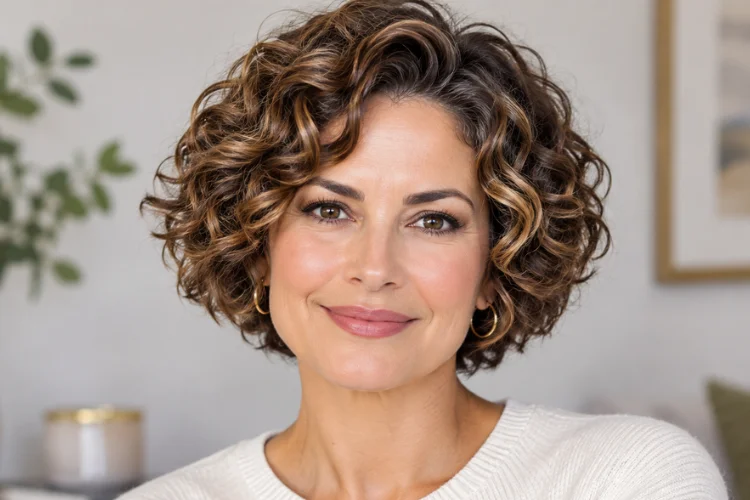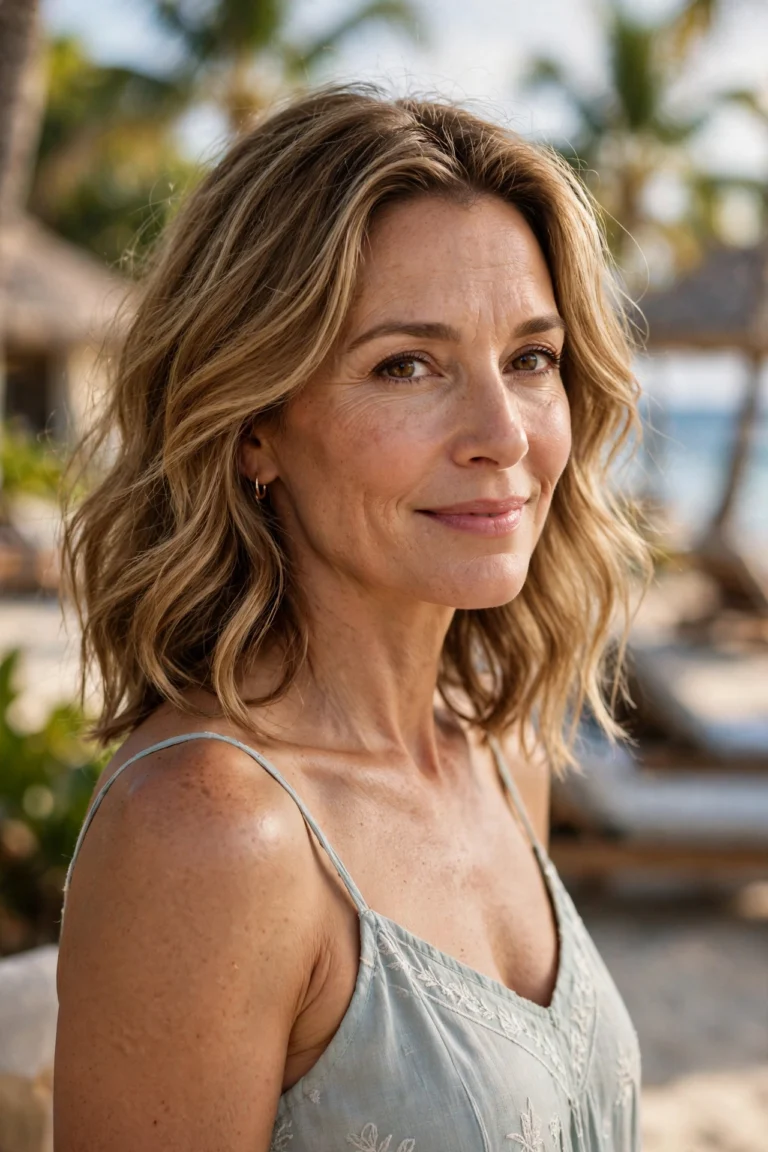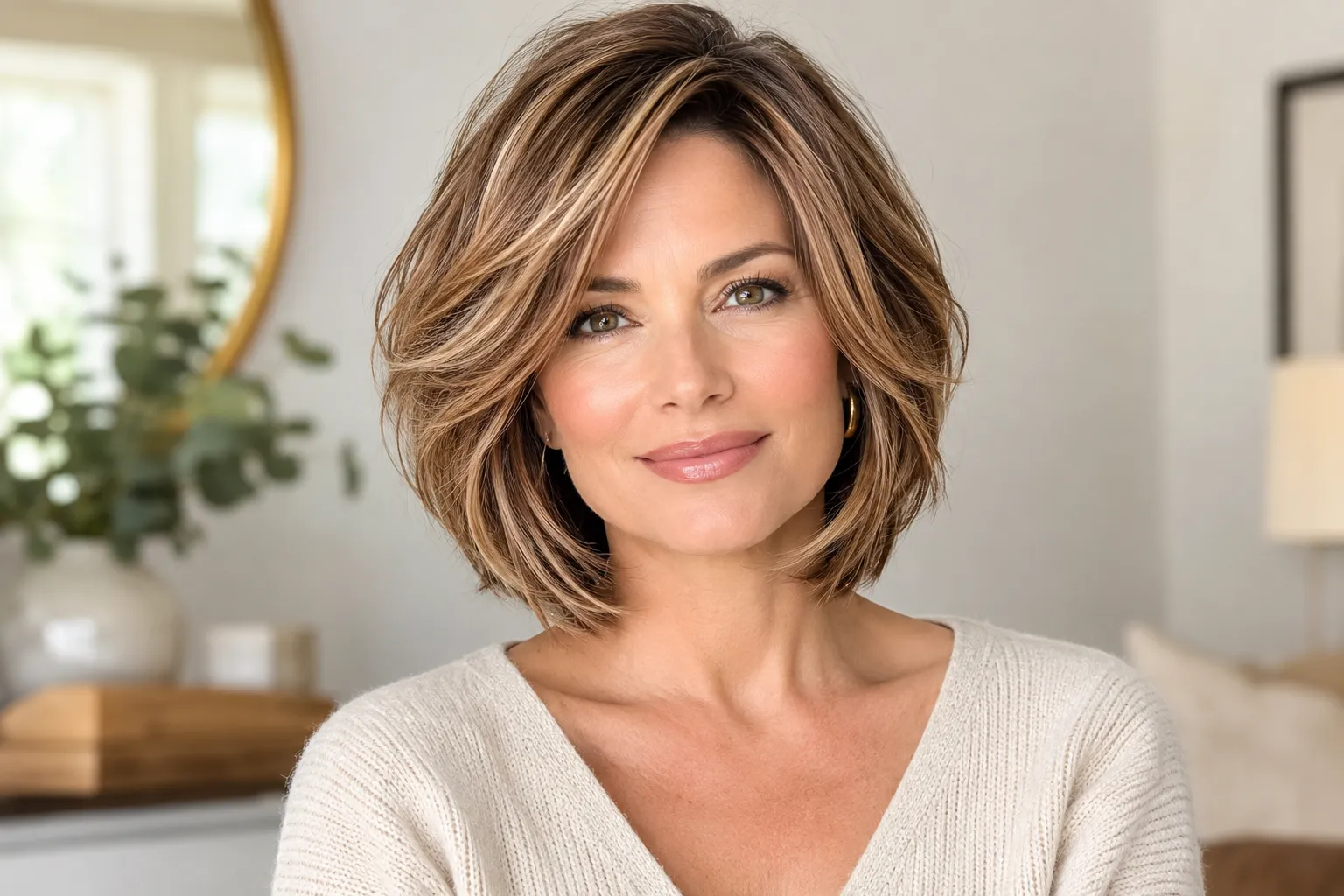
27 Gorgeous Layered Bob Hairstyles for Women Over 40
Layered Bob Hairstyles for Women Over 40 offer a wonderful mix of shape, movement, and everyday styling options. Whether you prefer a polished haircut for work, a relaxed style for weekends, or a fresh look that makes the most of your natural texture, a layered bob can be adapted to suit your preferences.
The beauty of this haircut lies in its versatility. Shorter layers can create movement around the crown, while longer layers soften the outline and help the hair fall naturally around the face. You can wear a bob sleek and straight, add loose waves, or choose a textured finish that requires very little styling.
In this guide, you’ll find 27 layered bob ideas for women over 40, including options for fine, thick, straight, wavy, and curly hair. You’ll also discover practical tips for choosing the right length, maintaining your layers, and styling your new haircut at home.
27 Gorgeous Layered Bob Hairstyles
1. Soft Layered Bob
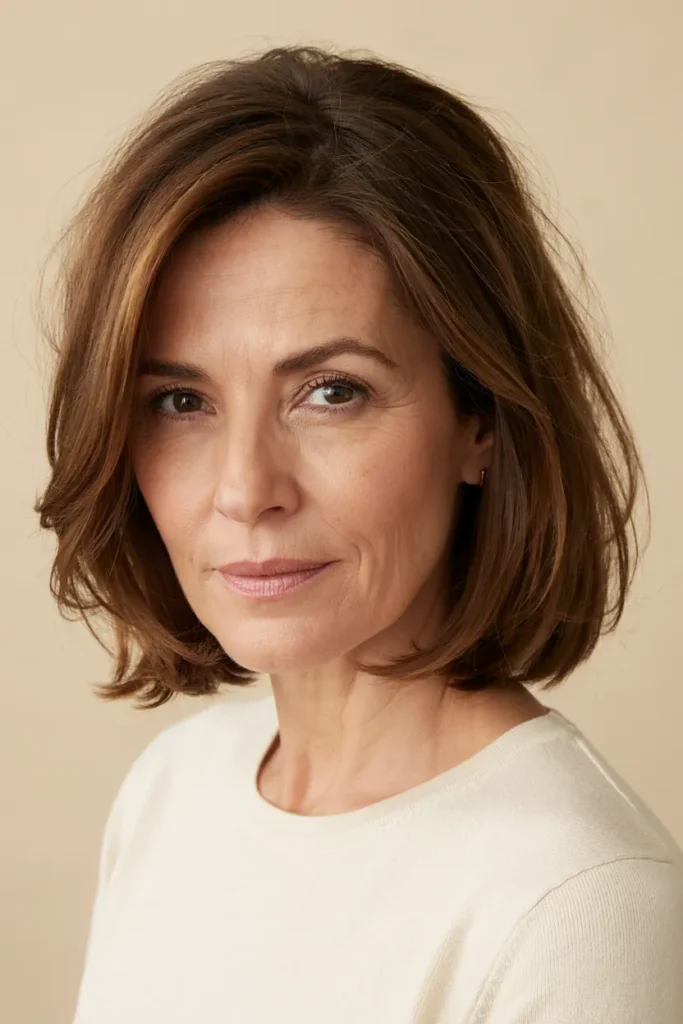
A soft layered bob has a gently rounded shape with subtle layers that blend into the ends. The result is a natural-looking haircut with movement rather than a sharply stacked or heavily textured appearance.
This style works particularly well for straight and slightly wavy hair. Women with oval, heart-shaped, or square faces may appreciate how the soft edges frame the cheeks and jawline.
Ask your stylist for delicate layers that maintain fullness around the perimeter. For styling, apply a lightweight volumizing mousse to damp hair and blow-dry with a medium round brush. A small amount of smoothing cream can help keep the ends neat without making them look flat.
The haircut is relatively easy to maintain, although regular trims help preserve its shape.
2. Chin-Length Layered Bob
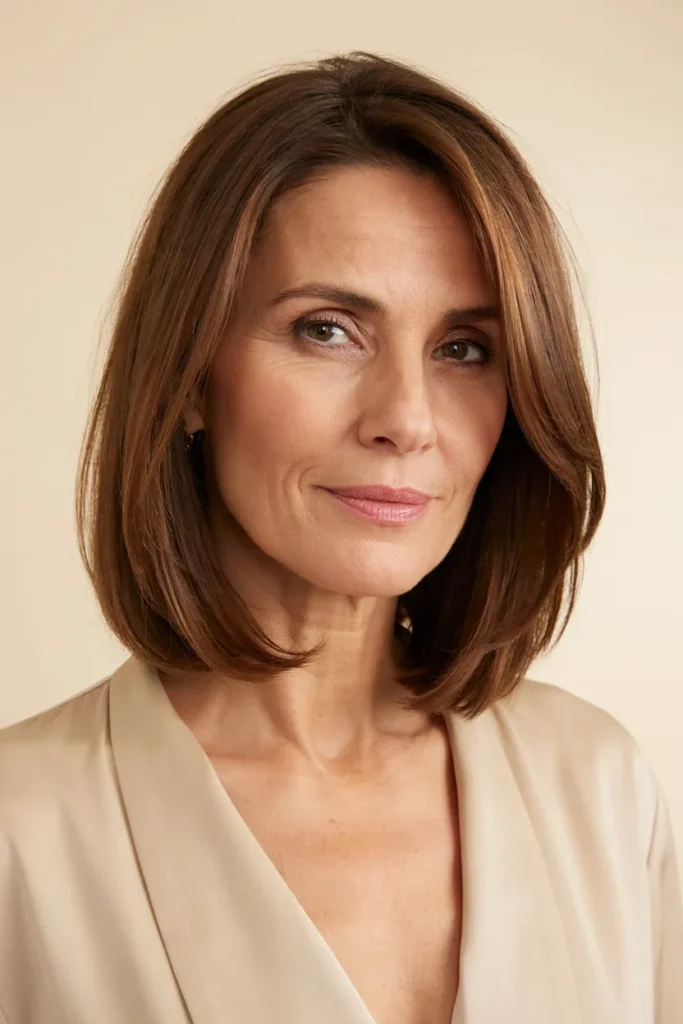
A chin-length bob creates a defined outline around the jaw, while internal layers prevent the hair from looking too heavy. The shorter length also makes it a practical choice for women who prefer a haircut that feels light and easy to style.
This shape can complement oval and heart-shaped faces. For round faces, a slightly longer front section and a side part can create a more elongated appearance.
Straight hair shows off the clean shape, while naturally wavy hair gives the cut a softer finish. Blow-dry the roots with a little lift and direct the front sections away from the face for a polished look.
Keep in mind that a chin-length bob may need trimming every six to eight weeks to maintain its outline.
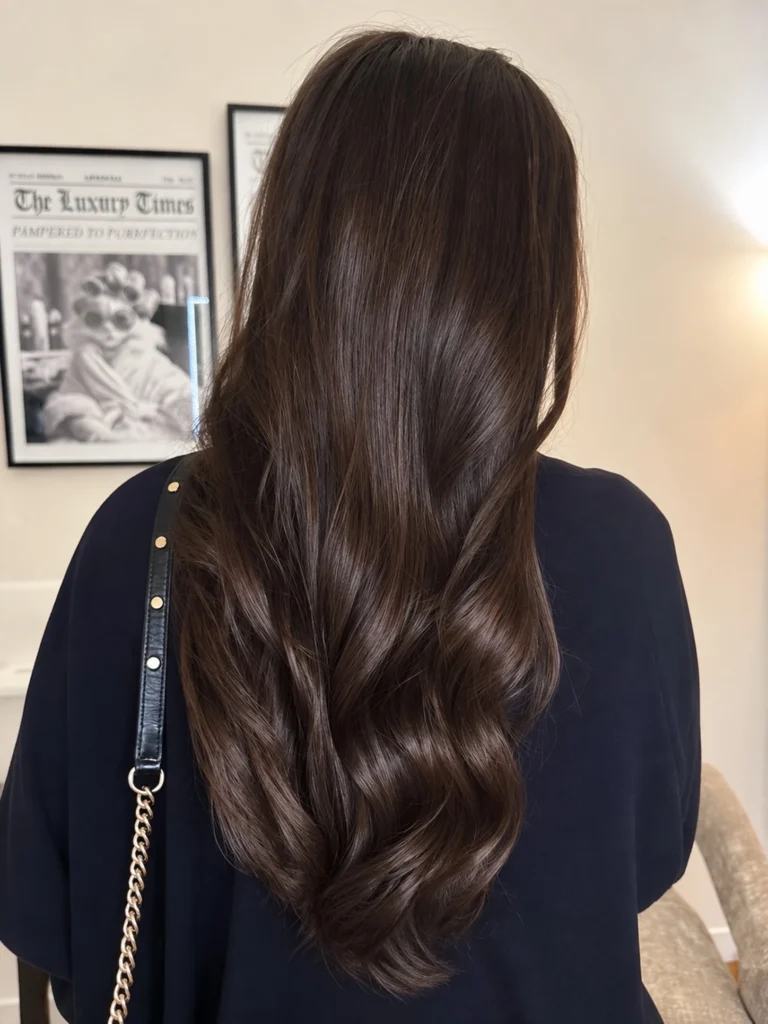
3. Long Layered Bob
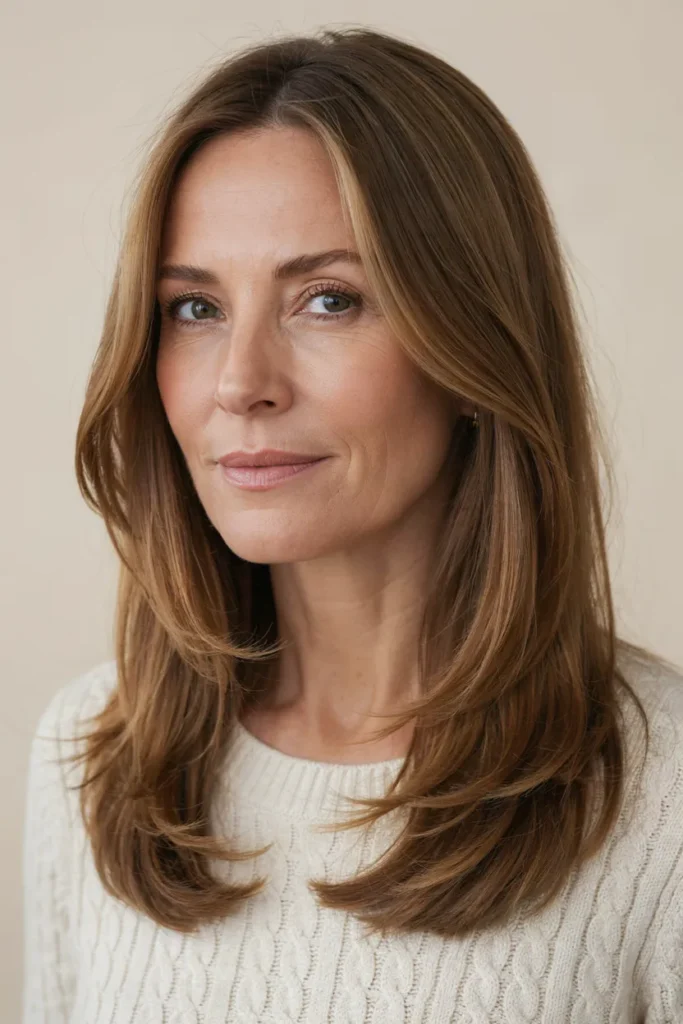
A long layered bob, often called a lob, falls between the chin and collarbone. Its longer length gives you more styling flexibility while the layers create movement through the mid-lengths and ends.
This is a useful option for women who are not ready for a shorter haircut. It works well on straight, wavy, and moderately thick hair, especially when the layers are tailored to the hair’s natural density.
The longer front pieces can help frame the face without creating a dramatic change in length. Style the lob with a round brush for a smooth finish or use a large-barrel curling iron to create loose bends.
Because the hair remains long enough to tuck behind the ears or gather into a small ponytail, this haircut suits busy everyday routines.
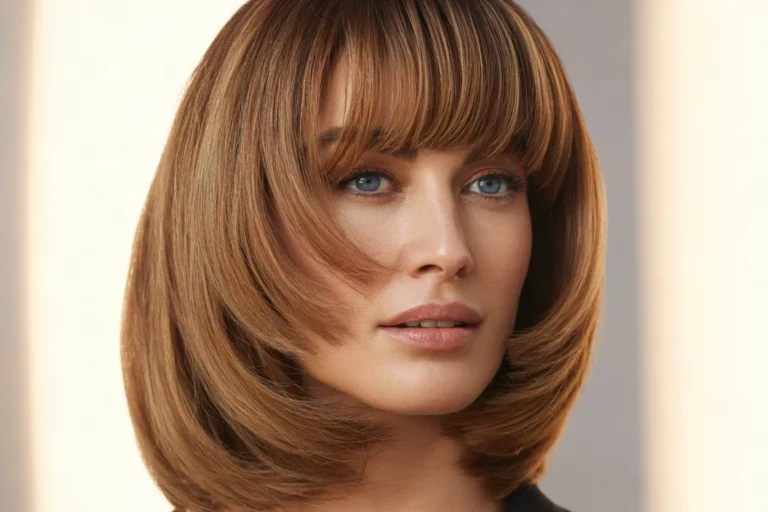
4. Layered Bob With Side Bangs
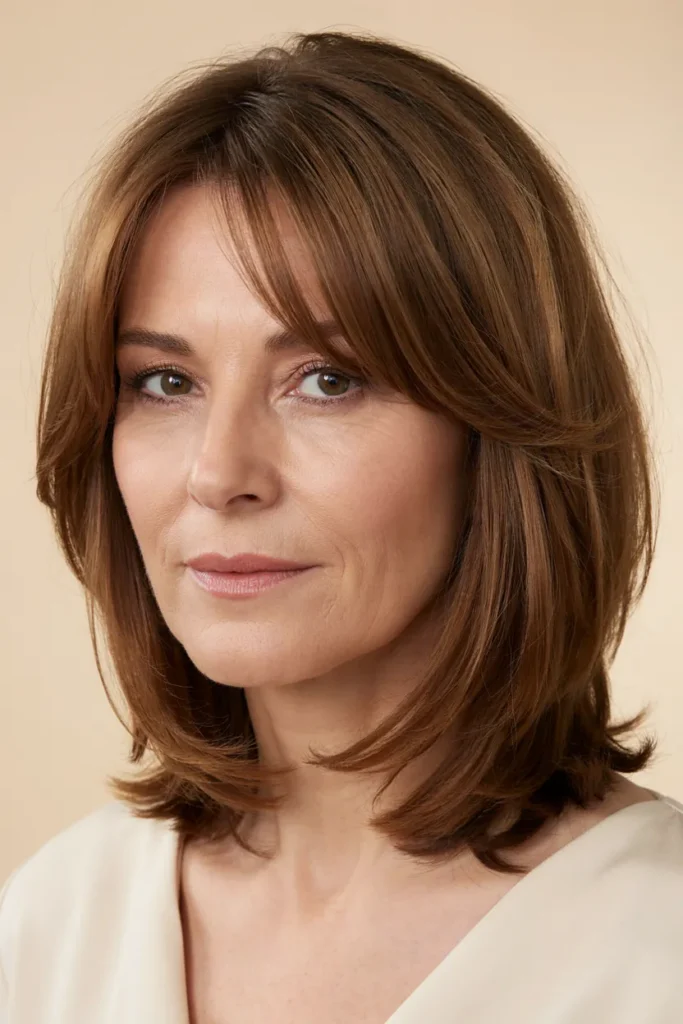
Side bangs introduce a sweeping line across the forehead that blends naturally into the rest of the haircut. Combined with a layered bob, they create a soft, face-framing effect without requiring a full fringe.
This style can work well for oval, round, and square face shapes. The direction and length of the bangs can be adjusted to suit your features and preferred parting.
For fine hair, ask for lightweight bangs that do not remove too much density from the front. Thicker hair may benefit from more blending around the temples.
Blow-dry the fringe first, directing it from side to side before brushing it into place. A small round brush helps create a smooth curve. Since bangs grow out quickly, plan for occasional fringe trims between regular haircuts.
5. Wavy Layered Bob
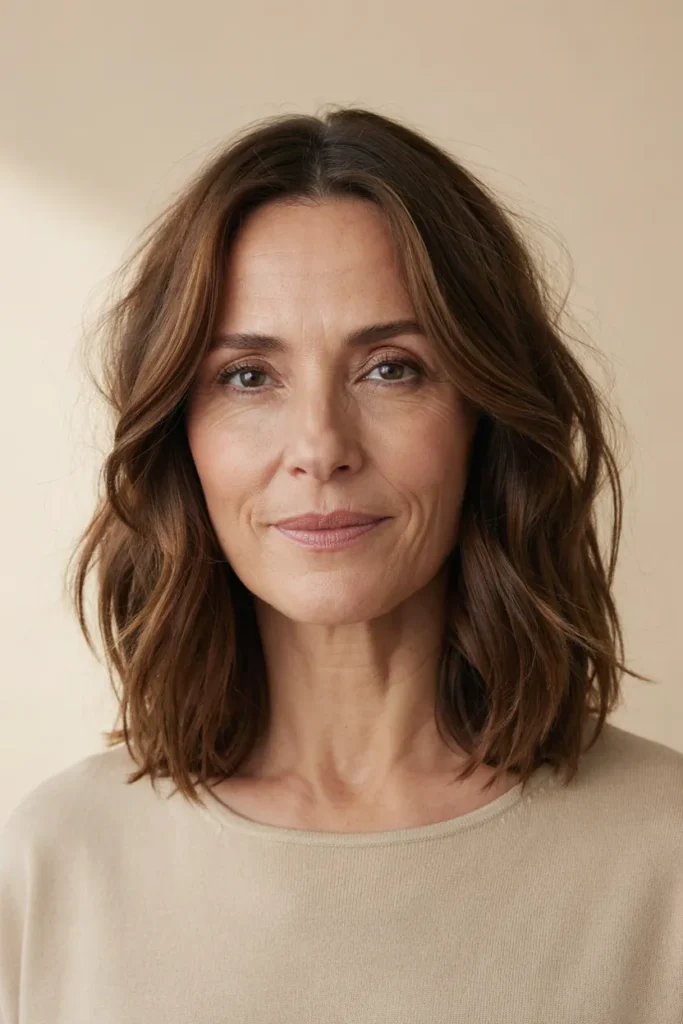
Loose waves bring a relaxed, textured finish to a layered bob. The layers help the waves separate and move, creating a soft shape that does not look overly structured.
This haircut suits naturally wavy hair particularly well. Straight hair can also achieve the look with a curling iron or heatless styling method, although the waves may need a little extra support to last.
A slightly longer bob is useful if your waves tend to shrink as they dry. Women with round faces may prefer a side part or a little extra height at the crown.
Apply a lightweight curl cream or texturizing mousse to damp hair, then air-dry or diffuse on low heat. Avoid brushing the finished waves, as this can make them lose their definition.
6. Stacked Layered Bob
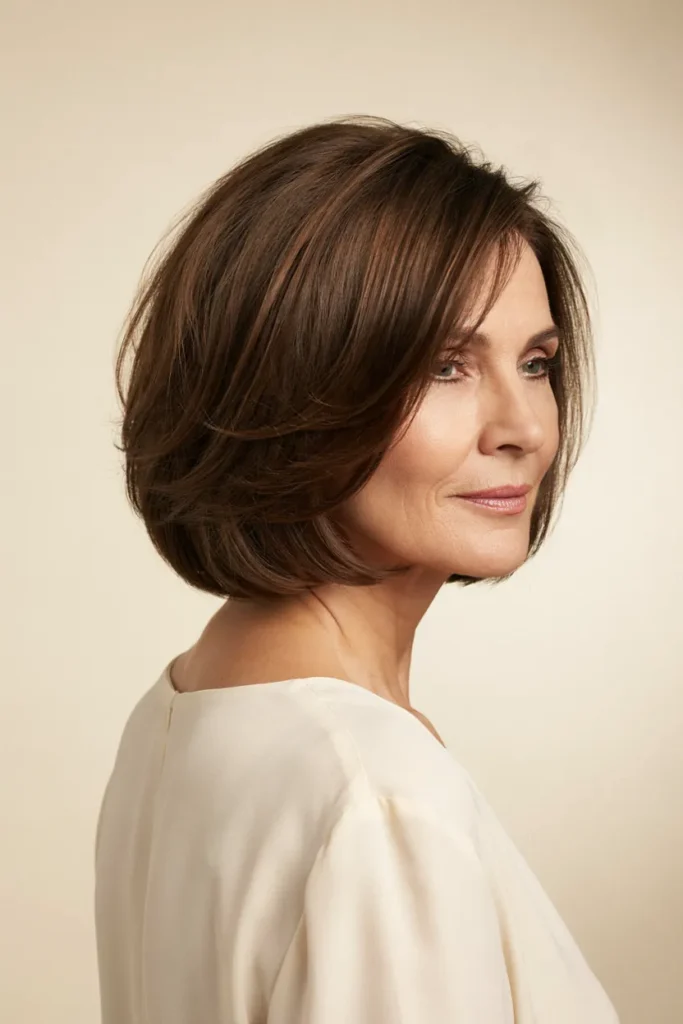
A stacked bob has shorter, graduated layers at the back that create a rounded shape, with longer pieces toward the front. This construction adds structure and can help the haircut appear fuller around the crown.
It is particularly useful for women with fine or medium-density straight hair who want a defined silhouette. Thick hair can also wear this style, but the stylist may need to remove some internal weight.
The back is the defining feature, so a professional cut is important. A round brush and blow-dryer can help lift the crown and emphasize the graduated shape.
This haircut has a more structured appearance than a loose, softly layered bob. It generally needs regular salon visits to keep the back from becoming bulky.
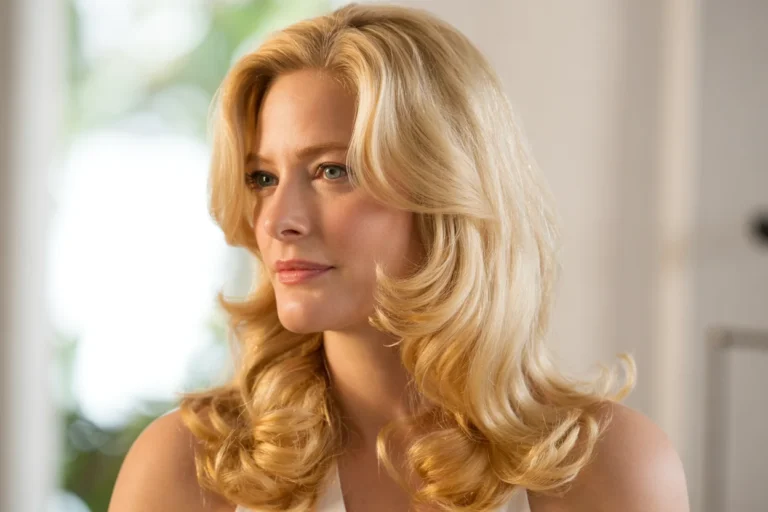
7. Feathered Layered Bob
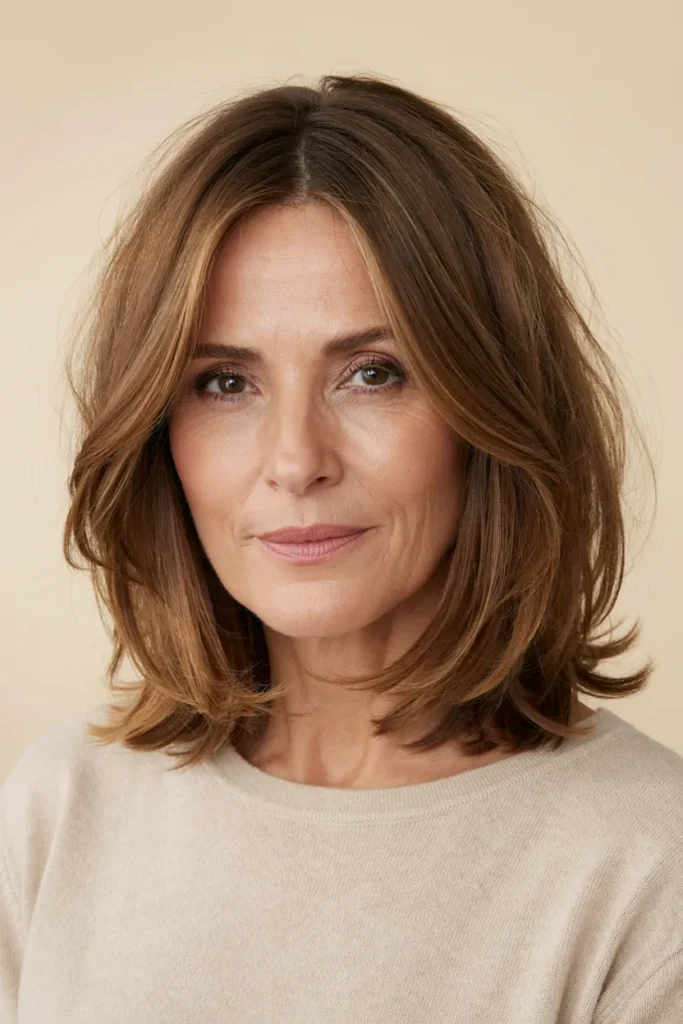
Feathered layers create light, airy ends that sweep away from the face. The haircut often has a soft, flowing finish, making it a lovely choice for women who enjoy a classic blowout.
This style works particularly well on straight and slightly wavy hair. It can suit oval and heart-shaped faces, while longer front layers can help soften a stronger jawline.
The feathered effect is usually created with carefully blended layers and a styling technique that directs the ends outward. A medium round brush or a large curling brush can help achieve the look.
For a lighter finish, use a small amount of volumizing mousse at the roots and a flexible-hold hairspray on the ends. Avoid heavy oils, which may make fine feathered layers look separated or flat.
8. Textured Layered Bob
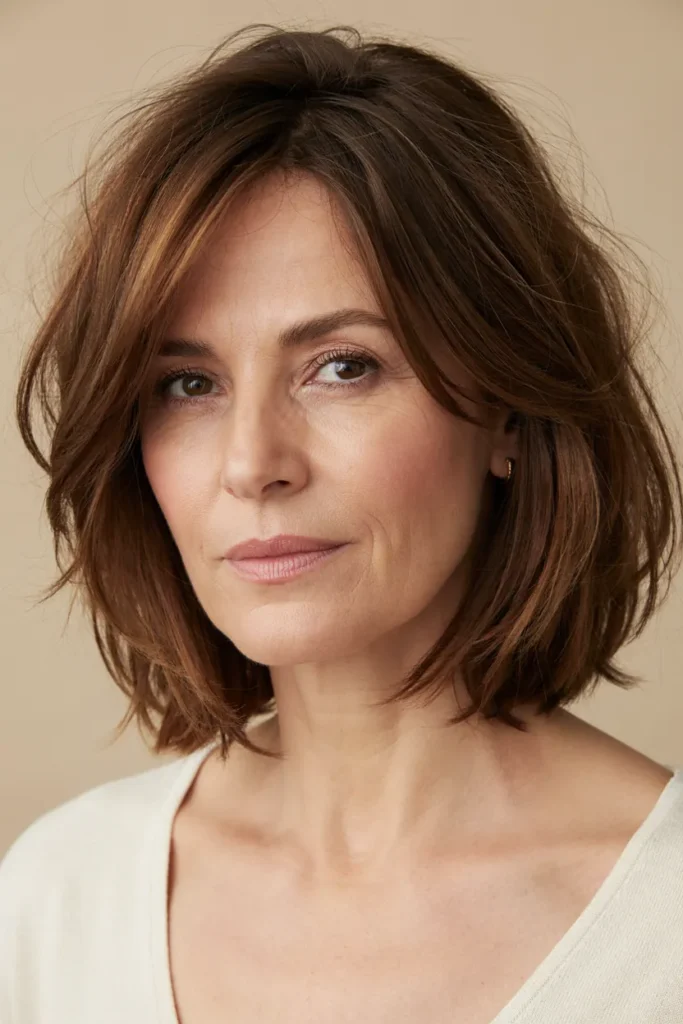
A textured bob features more visible separation between the layers, creating a slightly tousled and relaxed appearance. The ends may look softly piecey rather than perfectly rounded.
This haircut is especially appealing for women who prefer a casual style with natural movement. It can work well on straight, wavy, and moderately thick hair.
The amount of texture should be adjusted to your hair type. Fine hair often looks fuller with fewer, carefully placed layers, while thick hair can benefit from additional internal weight removal.
To style, work a small amount of texturizing cream through the mid-lengths and ends. Scrunch lightly or use your fingers to separate the pieces. A messy finish is part of the look, so you do not need to make every strand sit perfectly.
9. Inverted Layered Bob
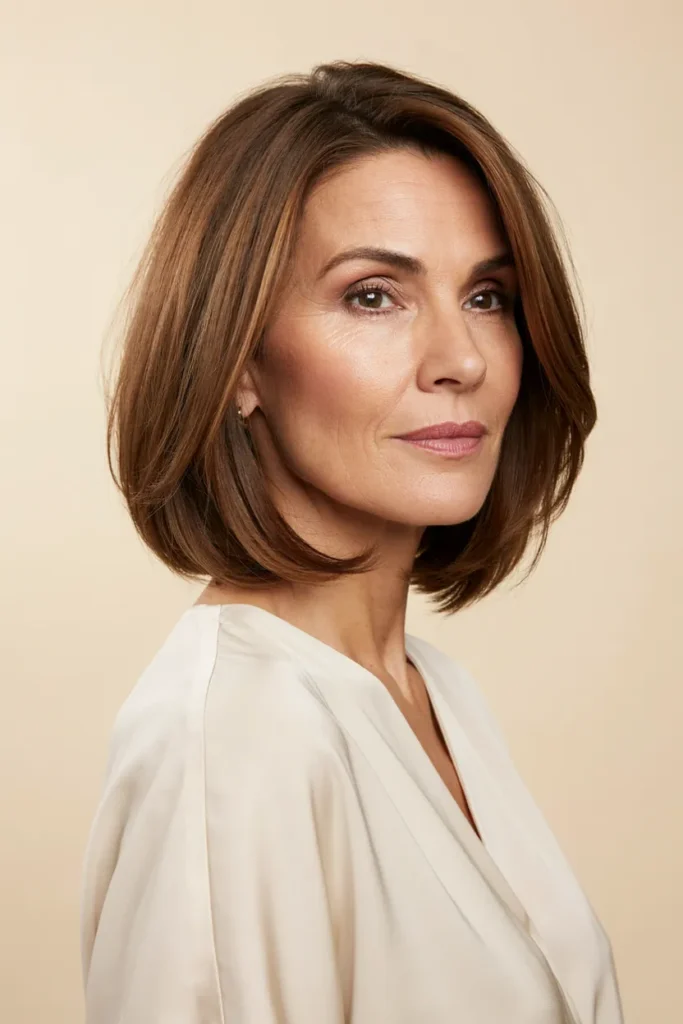
An inverted bob has a shorter back and longer front sections, creating a noticeable forward angle. Subtle layers through the back help the shape sit neatly while the longer pieces frame the face.
This cut can be flattering for women who like a structured style with a little drama. It is particularly easy to showcase on straight hair, although a soft wave can make the outline feel less formal.
The front length can be adjusted to suit different face shapes. Longer sections around the jaw or collarbone offer more flexibility than a sharply angled chin-length cut.
For a smooth finish, blow-dry with a paddle brush or round brush, directing the hair forward. A lightweight heat protectant helps reduce damage from regular blow-drying.
10. Layered Bob With Curtain Bangs
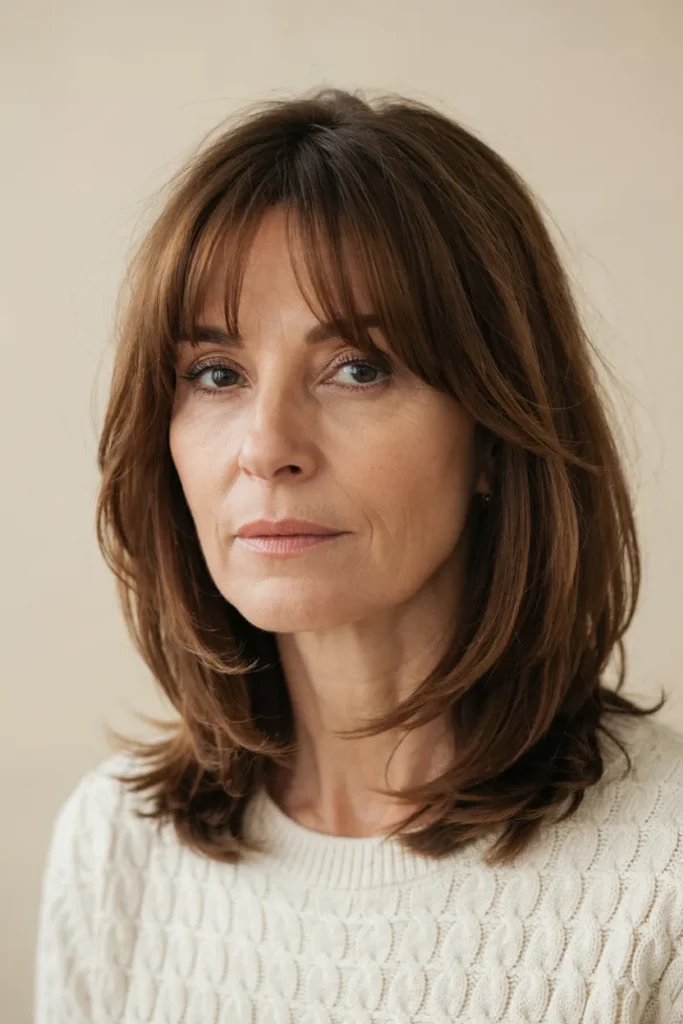
Curtain bangs part near the middle and sweep outward, blending into the shorter layers around the face. Paired with a bob, they create a soft frame that feels relaxed rather than overly formal.
This combination works well with straight, wavy, and lightly textured hair. It can also be adjusted for round, oval, and heart-shaped faces by changing the length and width of the fringe.
The bangs need enough length to curve away from the forehead, so discuss the desired result with your stylist before cutting them short.
Blow-dry the fringe using a small round brush, rolling the sections away from the face. A little root lift can help the bangs keep their shape. If you prefer a low-maintenance routine, ask for longer curtain bangs that blend into the rest of the bob as they grow.
11. Layered Bob for Fine Hair
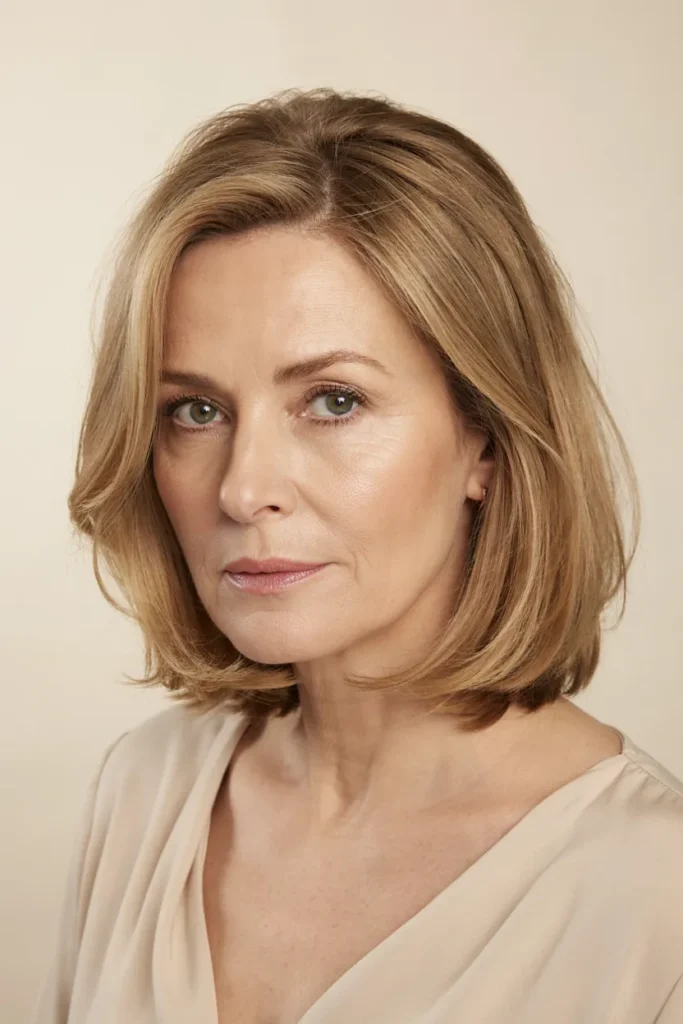
Fine hair can look delicate in a layered bob, especially when the cut keeps enough fullness at the ends. The key is to avoid removing too much density with excessive layering.
A softly graduated shape or a bob with subtle internal layers can add movement without making the perimeter appear thin. Chin-length and slightly longer cuts are both worth considering, depending on how your hair naturally falls.
For styling, apply a lightweight volumizing product at the roots and blow-dry with a round brush. Lifting the hair at the crown can create a fuller-looking finish.
Avoid heavy conditioners near the roots and rich styling creams throughout the hair. These products can weigh fine strands down. Regular trims also help keep the ends looking neat rather than wispy.
12. Layered Bob for Thick Hair
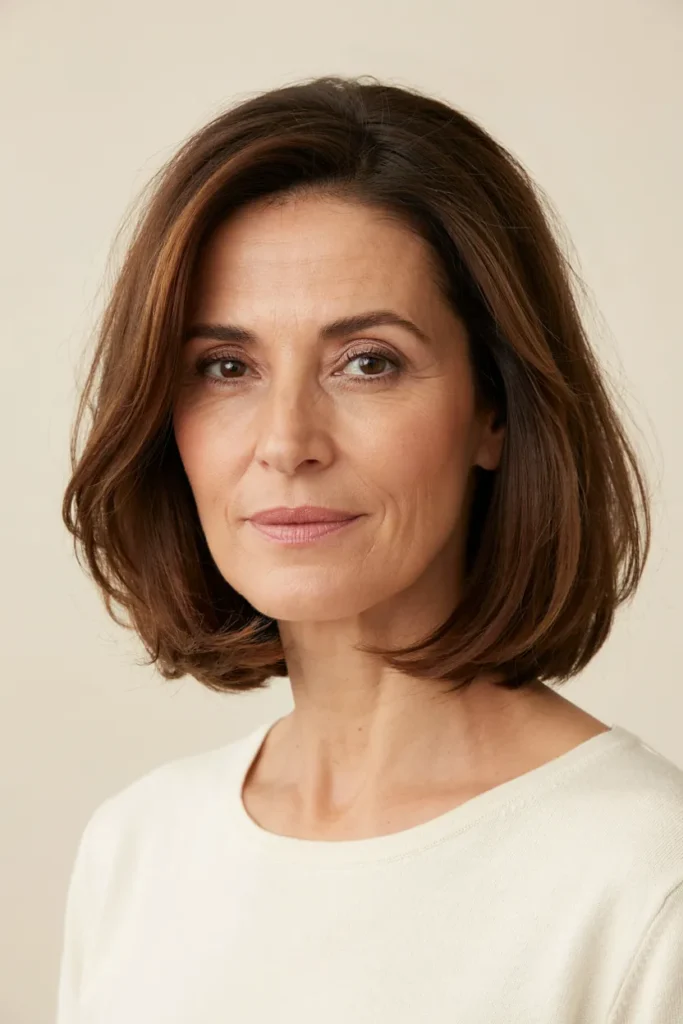
Thick hair can carry a layered bob beautifully, but the haircut needs to be shaped carefully so it does not become too wide or bulky.
Longer layers through the interior can remove excess weight while keeping the outer shape full. A stylist may also use carefully placed graduation to help the hair sit closer to the head.
This cut works well on straight and wavy textures. Women with naturally dense curls should discuss shrinkage and curl placement before choosing a short length.
For styling, use a smoothing cream or lightweight leave-in conditioner to help manage the mid-lengths and ends. A paddle brush can create a smooth finish, while a diffuser helps preserve natural waves.
Ask your stylist how the haircut will behave as it grows, especially if your hair tends to expand at the sides.
13. Curly Layered Bob
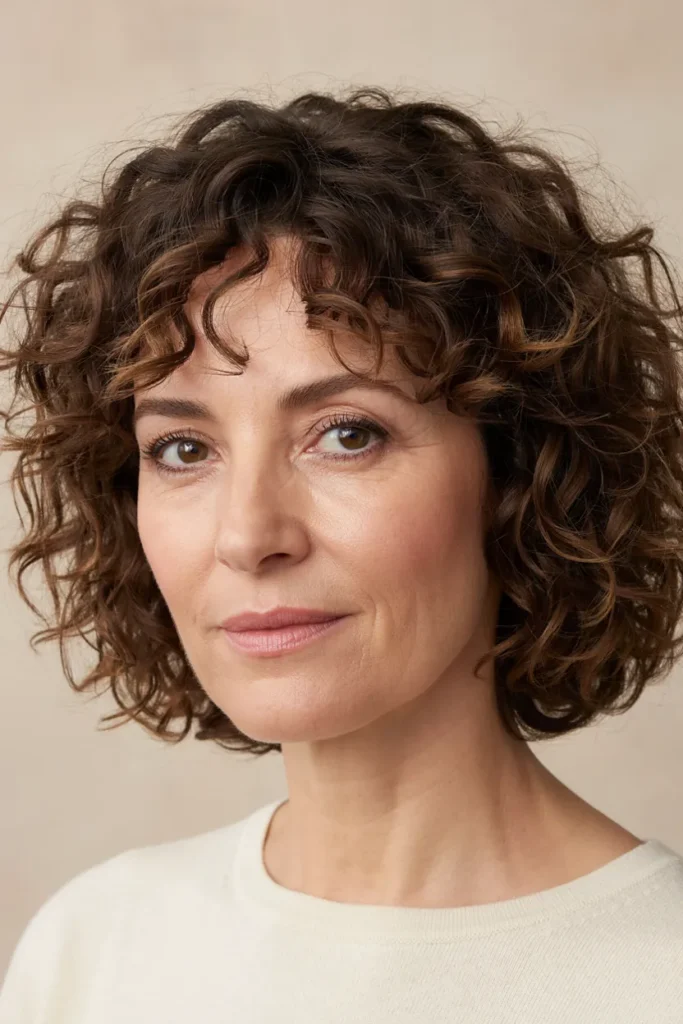
A curly layered bob allows natural curls to form a rounded, lively shape. Carefully placed layers help prevent the haircut from looking like a solid block of hair, while the length determines how much volume appears around the cheeks and crown.
This style works for loose curls as well as tighter curl patterns, provided the cut is adapted to the hair’s natural shrinkage.
A stylist experienced with curly hair can help determine where the layers should sit when the curls are dry. This matters because wet curls often appear longer than they will once fully dry.
Use a moisturizing leave-in conditioner and curl cream, then diffuse gently or allow the hair to air-dry. Avoid repeatedly touching the curls while they dry, as this can create frizz.
14. Asymmetrical Layered Bob
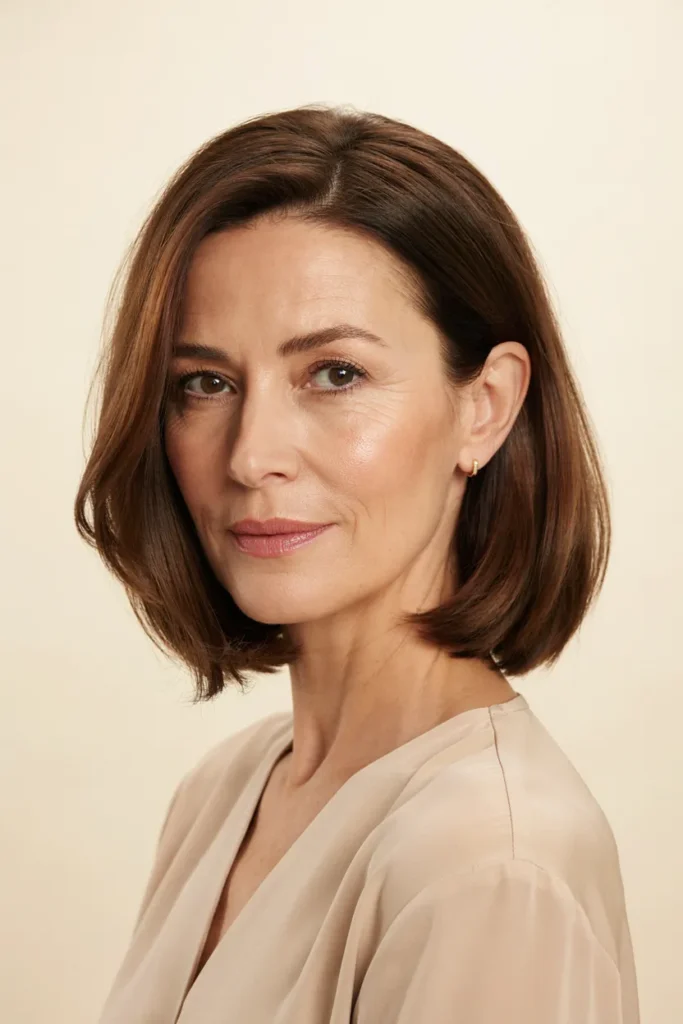
An asymmetrical bob has one side slightly longer than the other, creating an uneven outline that feels modern and distinctive. Subtle layers soften the shape and help the longer side blend naturally.
This cut can be a good choice for women who enjoy a more defined hairstyle without adding bangs. A deep side part can emphasize the asymmetry, while a softer part creates a more understated result.
Straight hair makes the shape particularly noticeable, but wavy hair gives it a relaxed finish.
The length difference should suit your styling habits. A dramatic asymmetrical cut may require more frequent reshaping, while a small difference between the sides is easier to maintain.
Use a flat iron for a sleek finish or a curling iron to create loose bends through the longer sections.
15. Layered Bob With Wispy Bangs
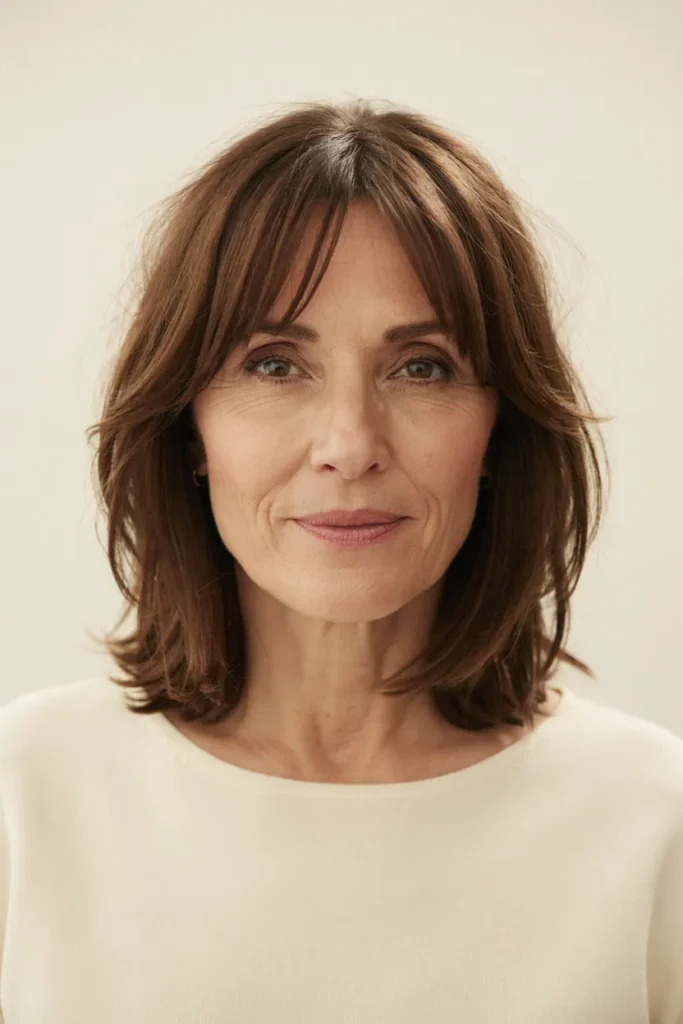
Wispy bangs are lightweight and slightly separated, allowing some forehead to remain visible. Combined with a layered bob, they create a soft, airy appearance.
This style can work particularly well for women who want a fringe without the visual weight of thick, blunt bangs. It suits straight and lightly wavy hair, especially when the fringe is cut to follow the natural hairline.
For fine hair, a small amount of fringe can be enough to create the desired effect. Thick hair may need careful thinning and blending to prevent the bangs from becoming too dense.
Blow-dry the fringe gently with a small brush, then finish with a light styling spray. Avoid applying too much product directly to the bangs, as this can make them separate into larger sections.
16. Shoulder-Length Layered Bob
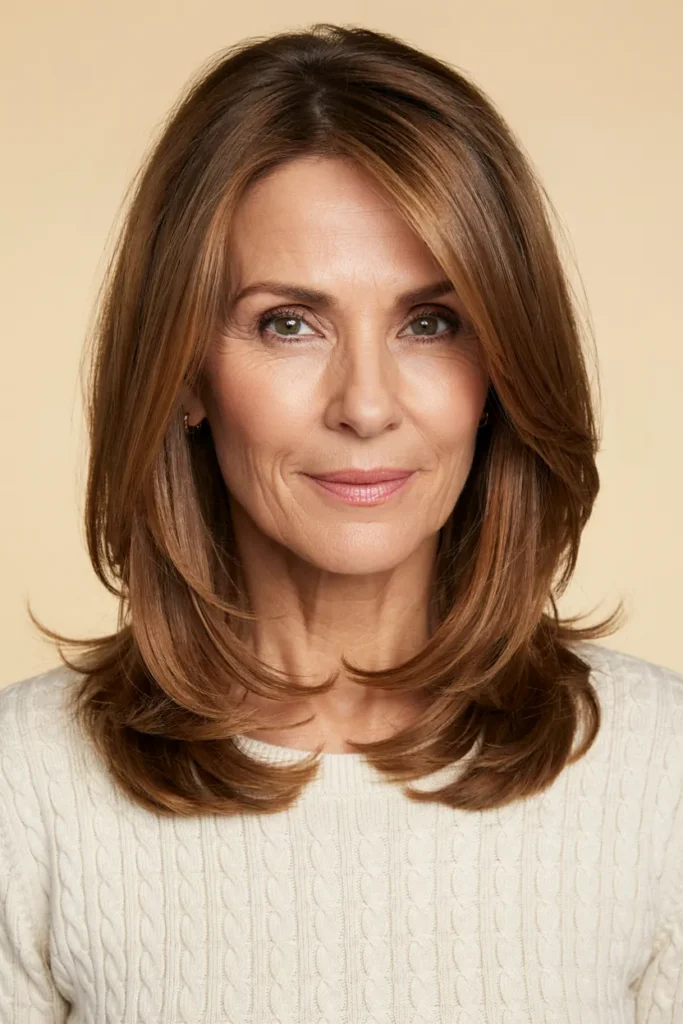
A shoulder-length bob offers the appearance of a longer haircut while maintaining the structure of a bob. The layers create movement through the ends and help the hair fall naturally around the shoulders.
This length is useful for women who like to tuck their hair behind their ears, create loose waves, or occasionally gather it into a small ponytail.
It works across many hair types, although very thick hair may need weight removal to prevent the ends from feeling heavy. Fine hair often benefits from longer, subtle layers that preserve fullness.
For everyday styling, use a round brush to create a smooth finish or a curling iron to add loose bends. A shoulder-length bob also offers more flexibility for simple half-up styles.
17. Shaggy Layered Bob
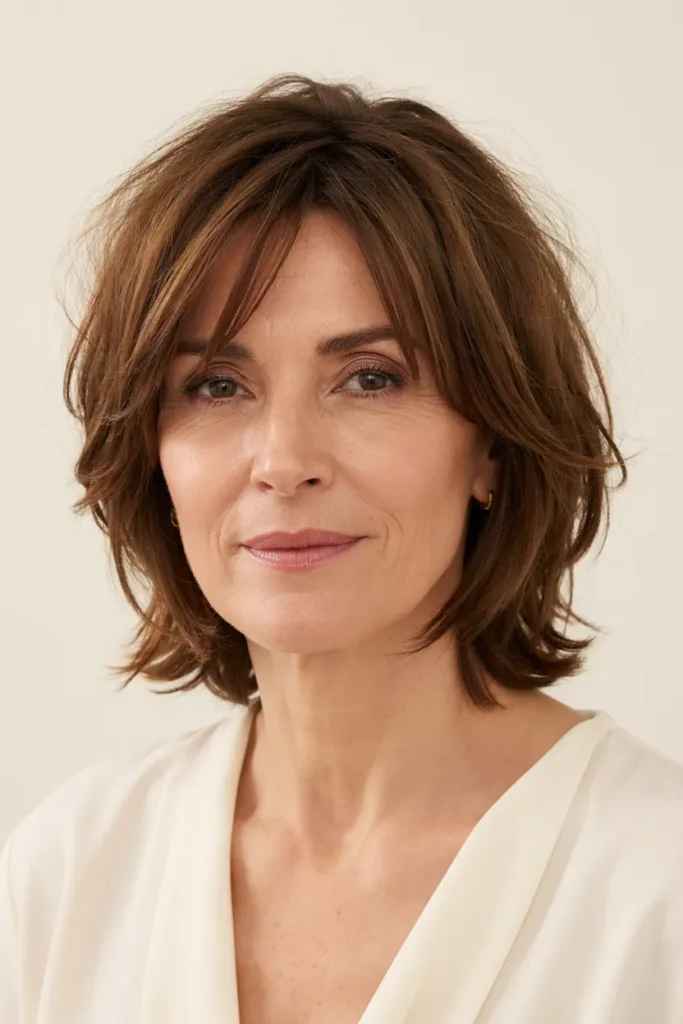
A shaggy bob combines a shorter bob shape with more noticeable layers around the crown, sides, and ends. The finish is textured and relaxed, often with a soft fringe or face-framing pieces.
This cut suits women who enjoy a slightly undone style. It can work especially well on naturally wavy hair, although straight hair can also wear it with the help of a texturizing product.
The placement of the layers is important. Too many short layers may make thick hair expand around the sides, while fine hair may lose fullness if the ends are overly thinned.
Apply mousse or a light texturizing cream to damp hair and scrunch gently. Air-drying works well for natural waves, while a diffuser can provide more definition.
18. Blunt Bob With Soft Layers
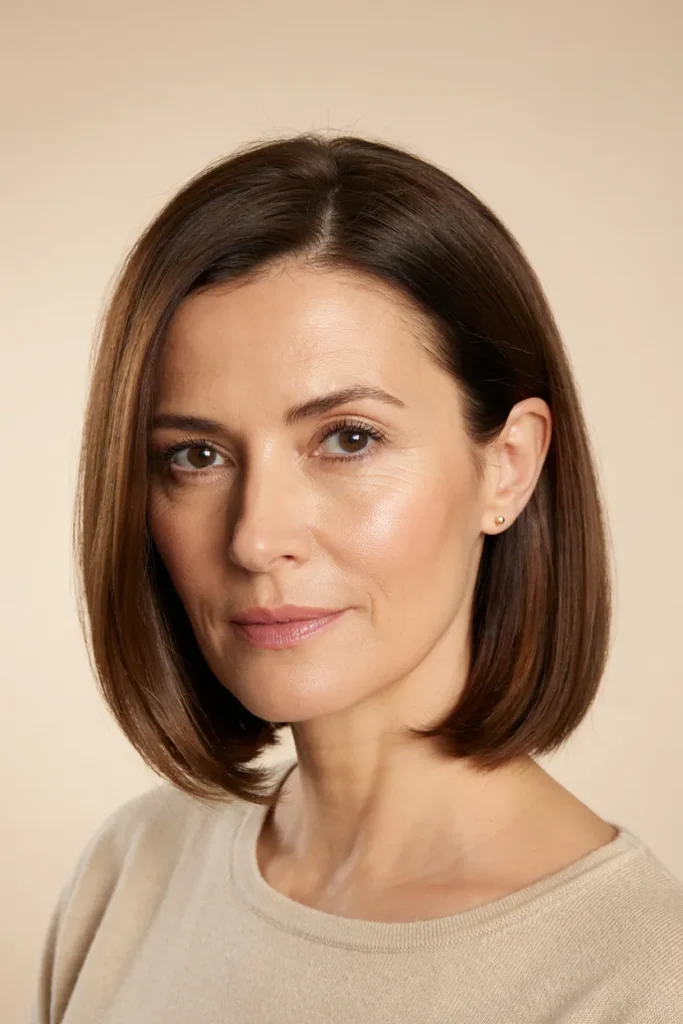
A blunt bob has a strong, fairly even outline, but subtle internal layers add movement without changing its clean appearance.
This combination can be useful for women with fine hair who want a defined shape without sacrificing too much fullness. The outer edge remains relatively solid, while the interior layers help the hair move.
Straight hair highlights the crisp outline, while slightly wavy hair gives the haircut a softer finish.
For styling, use a smoothing product and a paddle brush to keep the ends neat. A flat iron can refine the shape, but avoid excessive heat, particularly if your hair is color-treated or dry.
Ask your stylist to keep the layers subtle if your main goal is a fuller-looking perimeter.
19. Layered Bob With Face-Framing Pieces
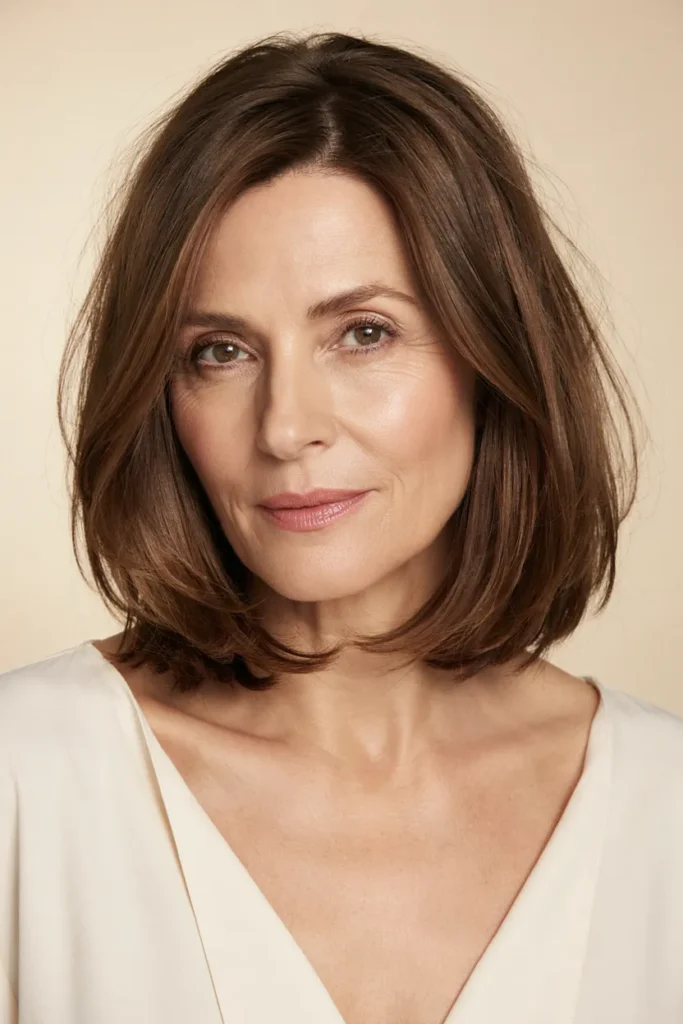
Face-framing pieces are shorter sections around the front that blend into the rest of the bob. They can soften the outline around the cheeks and create movement near the eyes and jawline.
This style works across many face shapes because the front layers can be adjusted in length and angle. For round faces, longer pieces that fall below the cheekbones may be preferable. For longer faces, shorter framing layers can create more width around the sides.
The technique is particularly useful when you want movement around the face without committing to bangs.
Style the front sections with a round brush, directing them slightly away from the face. A little smoothing cream can help them sit neatly without making the hair look stiff.
20. Side-Parted Layered Bob
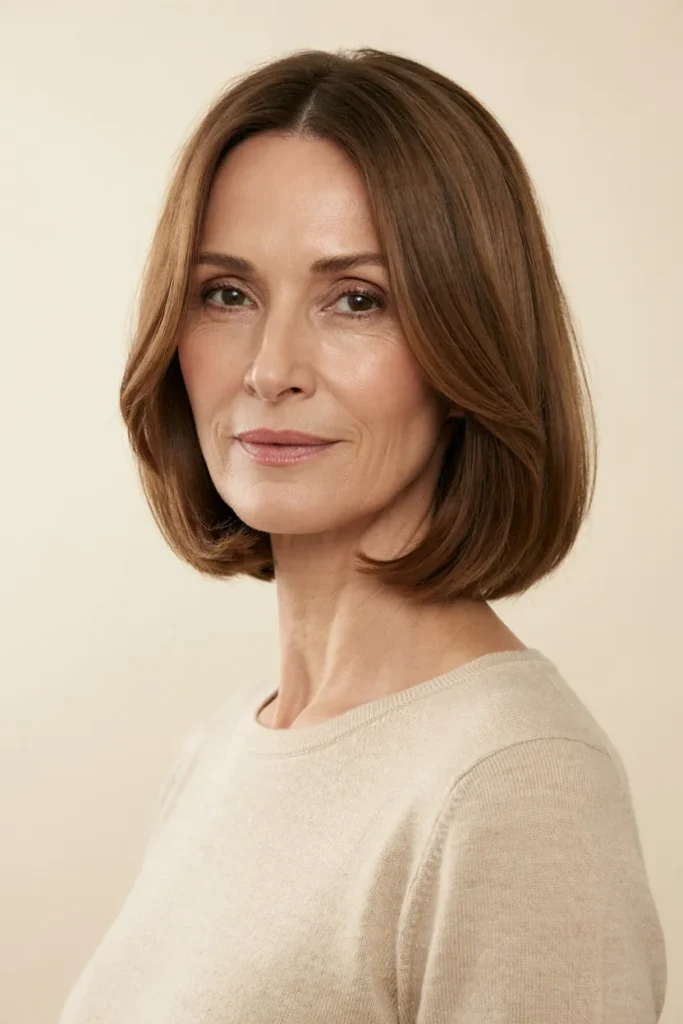
A side part changes the balance of a layered bob by shifting the hair across the forehead and creating more lift on one side.
This is a simple styling option for women who want variety without changing their haircut. It can also help fine hair appear fuller at the roots when the part is moved away from its usual position.
The look works well on straight, wavy, and softly curled hair. Women with cowlicks near the hairline may need to experiment with the part that feels most natural.
For extra lift, apply a small amount of root-lifting mousse and blow-dry the roots in the opposite direction before setting the part.
A side-parted bob can look polished for work or relaxed with loose waves for weekends.
21. Layered Bob With Flipped Ends
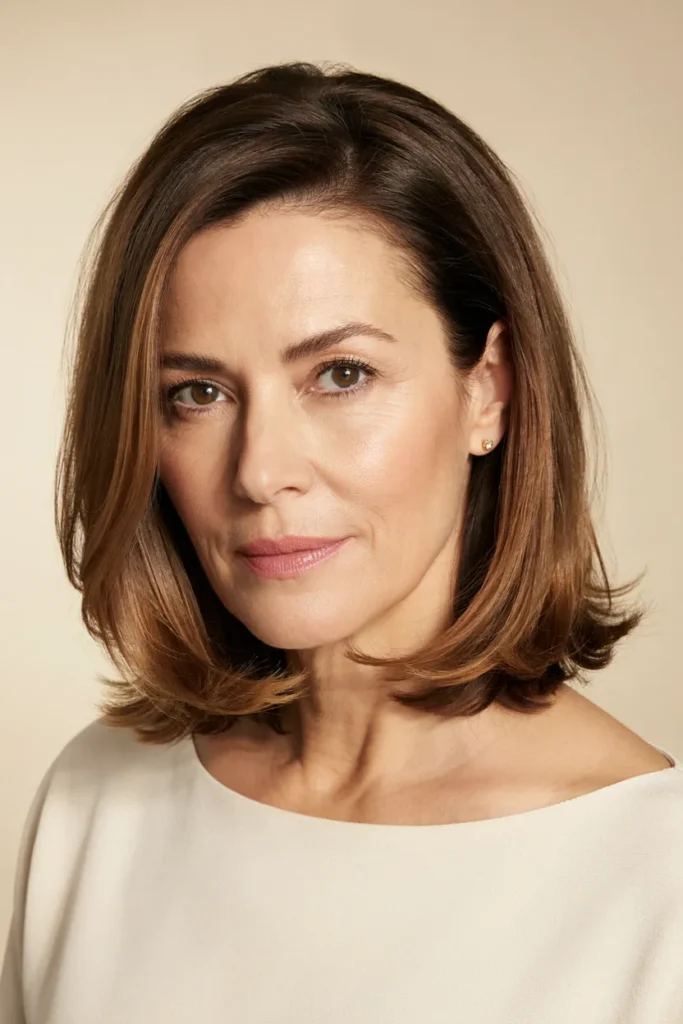
Flipped ends give a layered bob a playful finish, with the ends curving outward instead of following the neck or jawline.
This style works especially well on chin-length and shoulder-length bobs with layers that allow the ends to move freely. Straight hair makes the flipped shape more noticeable, while wavy hair creates a softer variation.
The look can be worn with a side part or a middle part, depending on your preferred balance.
Use a round brush or flat iron to turn the ends outward. A heat protectant is useful when styling with hot tools, and a flexible-hold hairspray can help maintain the shape.
For a more casual result, flip only a few sections instead of styling every end in the same direction.
22. Voluminous Layered Bob
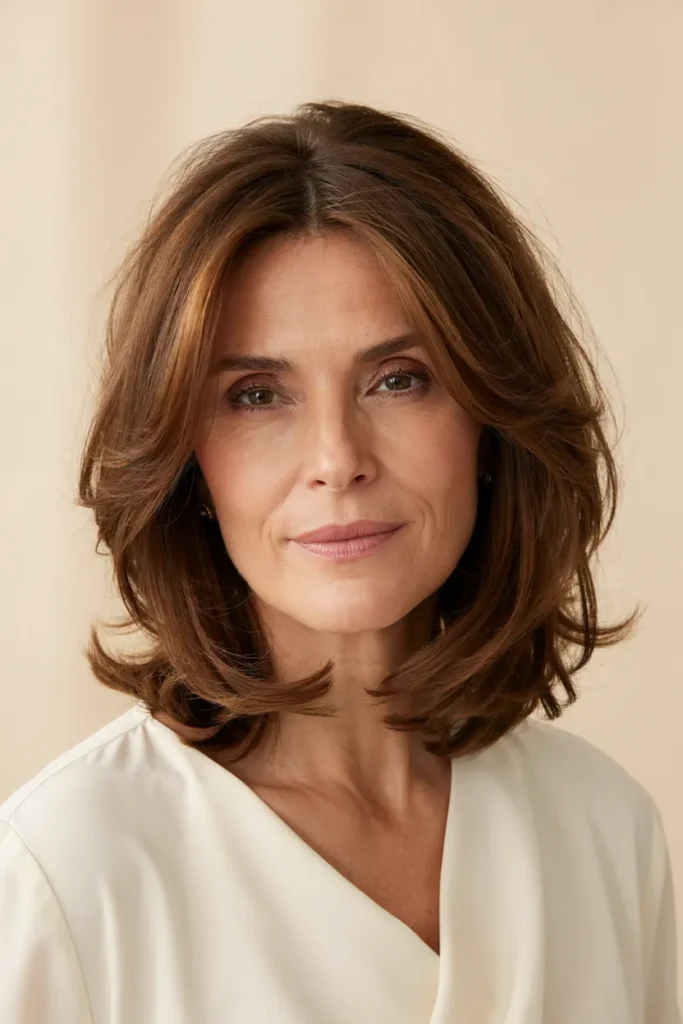
A voluminous bob focuses on lift around the crown and movement through the sides. The layers are shaped to support a rounded silhouette rather than creating a flat, uniform outline.
This haircut can work well for women with fine or medium-density hair who enjoy a fuller blowout. Naturally wavy hair may also create volume with less styling.
The amount of lift should suit your face shape and natural hair growth. Women with wider faces may prefer volume concentrated at the crown rather than extra width at the cheeks.
Apply volumizing mousse at the roots and blow-dry in sections using a round brush. Velcro rollers can help set the crown while the hair cools.
For a softer finish, brush through the roots lightly rather than teasing the hair heavily.
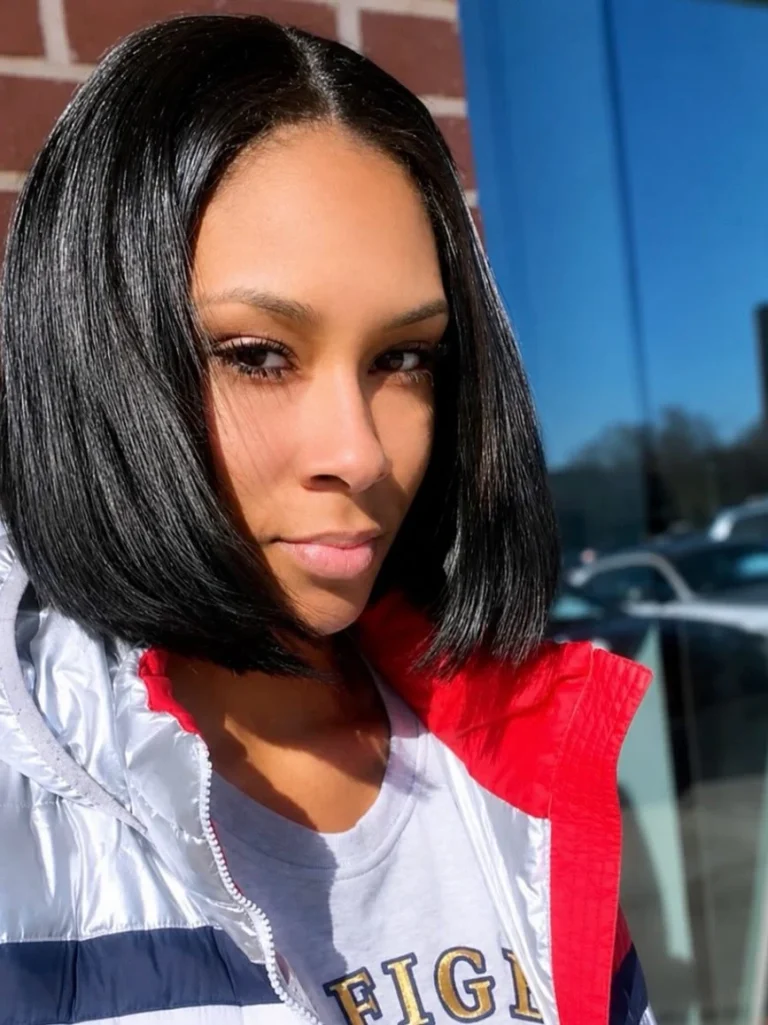
23. Sleek Layered Bob
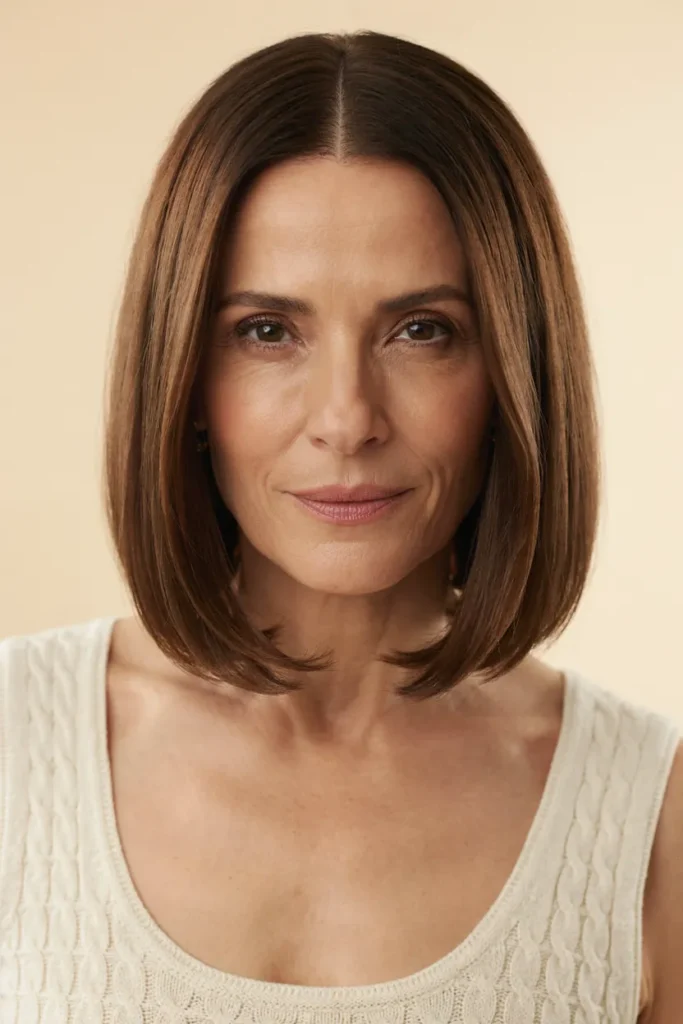
A sleek layered bob combines a smooth finish with subtle movement through the ends. The layers prevent the haircut from looking completely rigid, while the polished styling gives it a neat, refined appearance.
This look is particularly easy to achieve on straight hair. Wavy hair can also wear it with a blow-dryer and flat iron, although maintaining the finish may require more effort in humid weather.
A center part creates a balanced appearance, while a side part adds a softer, more asymmetrical effect.
Apply heat protectant before blow-drying or straightening. Use a lightweight smoothing serum sparingly on the ends, especially if your hair is fine.
For everyday wear, keep the finish natural rather than pressing the hair completely flat against the head.
24. Layered Bob With Gray Hair
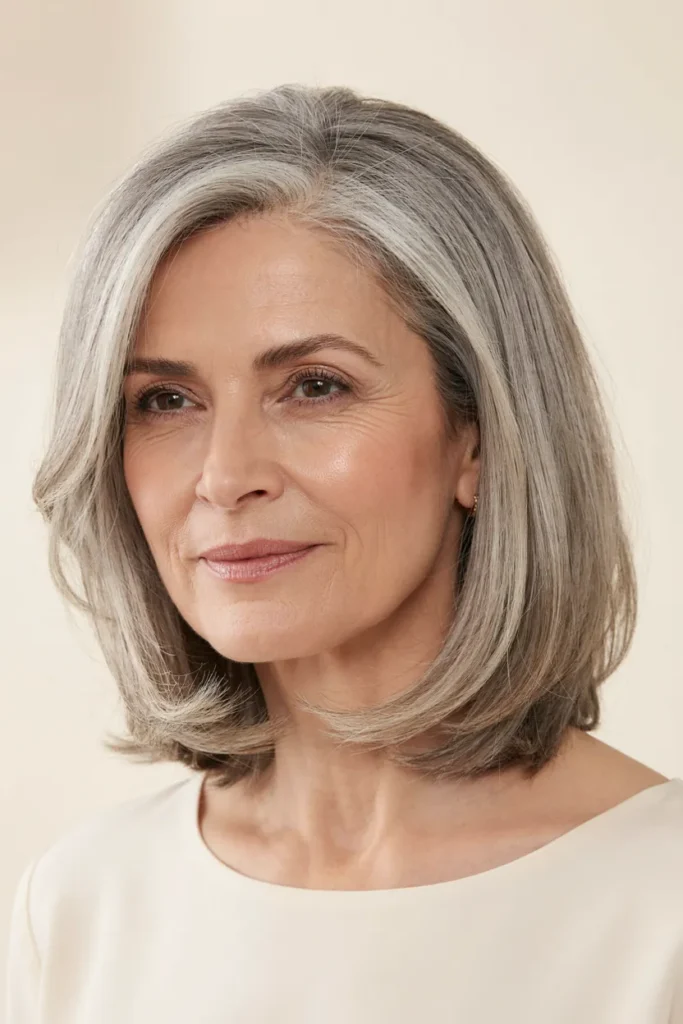
Natural gray or silver hair can look striking in a layered bob because the shorter length makes the shape easy to see. Soft layers add movement and help the hair fall naturally around the face.
This style works with many gray hair patterns, from a few silver strands to a fully gray or white head of hair. Straight textures show off the outline, while waves create a softer finish.
Gray hair can sometimes feel drier or coarser, so a moisturizing conditioner and gentle styling routine may be helpful. A lightweight leave-in product can smooth the ends without weighing them down.
If your gray hair has yellow tones, a purple shampoo may help maintain a cooler appearance, but it should be used according to the product instructions to avoid over-toning.
Regular trims keep the bob’s shape neat as it grows.
25. Layered Bob With Highlights
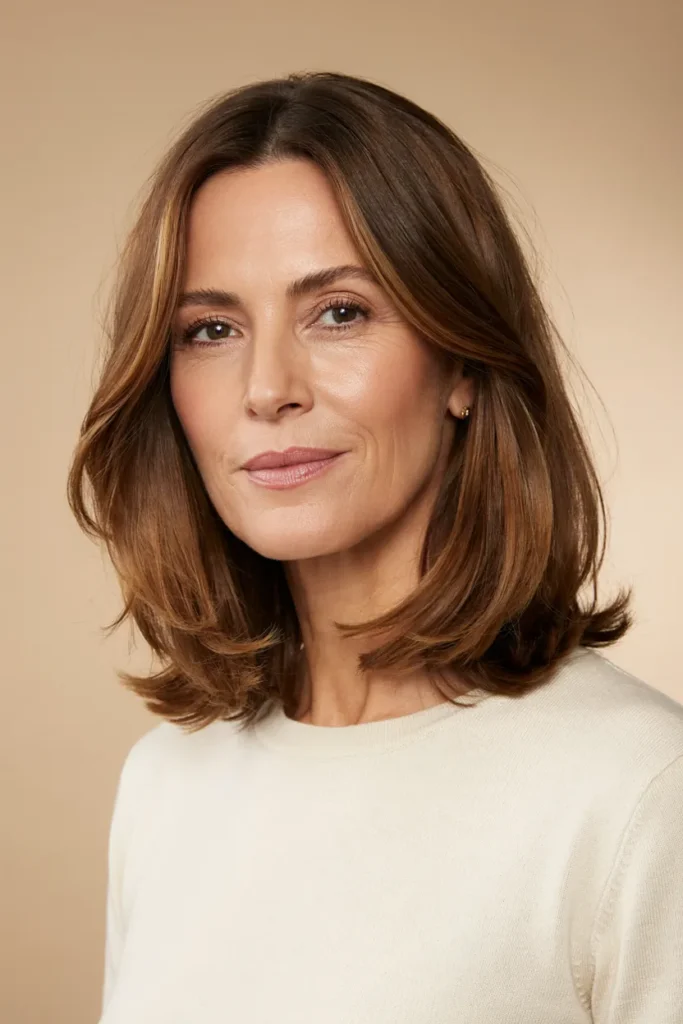
Highlights can add visual dimension to a layered bob by creating contrast between different sections of the hair. Soft caramel, honey, beige, or silver tones can be adapted to your natural color and preferred finish.
The effect is particularly noticeable when the hair has loose waves or a blowout, as the layers catch the light from different angles.
For a subtle result, ask your colorist for fine highlights or a soft balayage effect. More noticeable highlights can create stronger contrast, especially on darker hair.
Color-treated hair may require extra conditioning and heat protection to help maintain its condition. Use a shampoo and conditioner suitable for your color treatment, and avoid excessive heat styling.
This haircut can look polished with a smooth finish or relaxed with a few loose bends.
26. Short Layered Pixie Bob
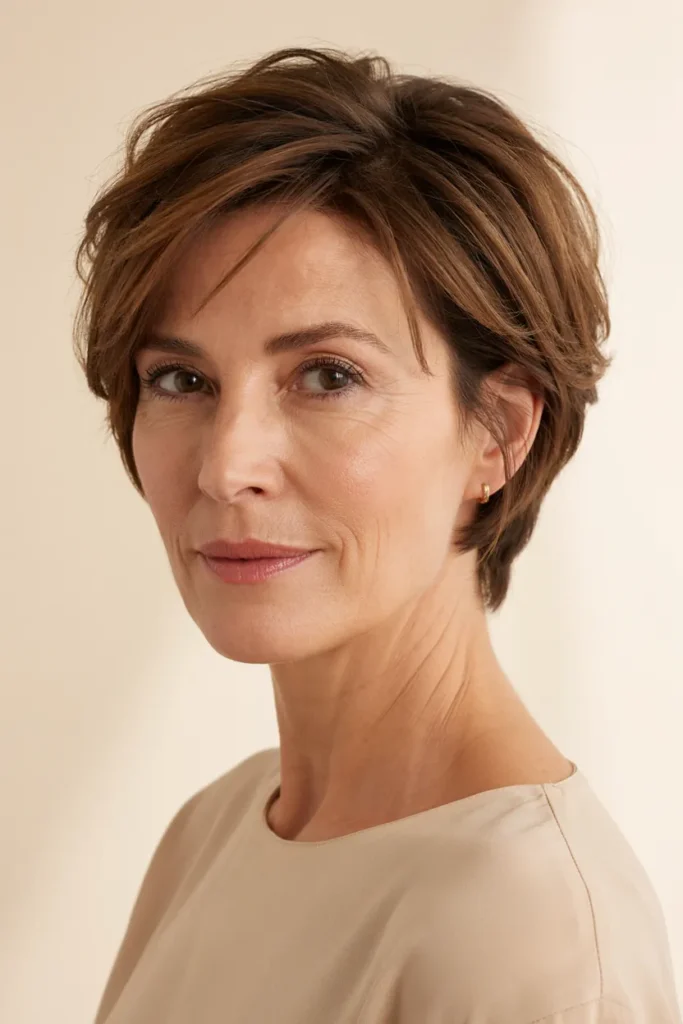
A pixie bob sits between a traditional pixie and a short bob. It usually has a tapered back, slightly longer sections around the ears, and enough length on top to create movement.
This cut is useful for women who prefer short hair but still want some flexibility in styling. It works particularly well on straight and softly wavy hair.
The longer top layers can be swept to the side, brushed forward, or styled with a little texture. Fine hair may benefit from a light volumizing product, while thick hair may need careful shaping around the back and sides.
Although the haircut is relatively short, it can require regular trims to maintain the tapered shape. A small amount of styling cream is often enough for everyday wear.
27. Low-Maintenance Layered Bob
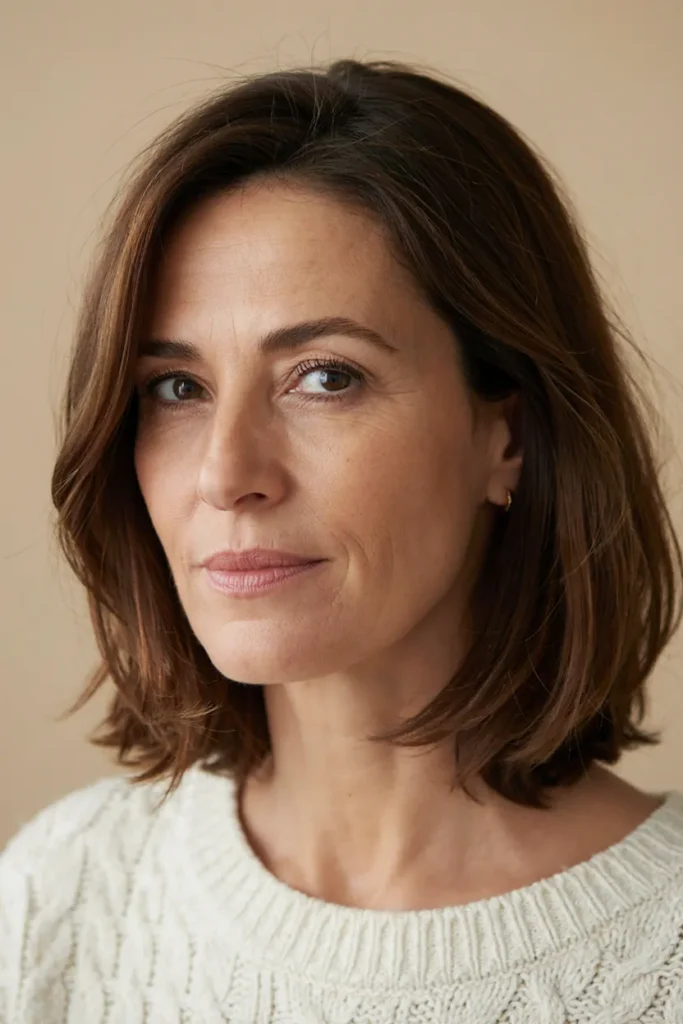
A low-maintenance layered bob is designed around your natural hair texture and daily routine. Rather than relying on a precise blowout, the haircut uses gentle layers and a balanced outline to help the hair fall into place with minimal styling.
The most suitable length depends on your hair type. A chin-length bob may be easy to manage on fine, straight hair, while a slightly longer bob can be more practical for thick or wavy hair.
Ask your stylist to consider how your hair looks when air-dried, not just how it looks after a salon blowout.
For everyday styling, apply a lightweight leave-in conditioner or texturizing cream to damp hair and let it dry naturally. If you need extra polish, use a blow-dryer only on the front sections and crown.
The aim is a haircut that works with your usual routine rather than requiring a complete change in your habits.
Helpful Styling Tips for Layered Bobs
Choosing the right cut is only part of the process. A few practical adjustments can help your layered bob look its best between salon visits.
Choose Layers That Suit Your Hair Type
Fine hair generally benefits from subtle layers that preserve fullness at the ends. Too much texturizing can make the perimeter look thin.
Thick hair may need more internal layering to reduce excess weight and prevent the sides from becoming bulky.
For curly hair, the stylist should consider how much the curls shrink when dry. Longer layers can help maintain a balanced shape, while carefully placed shorter layers can create a more rounded silhouette.
Consider Your Face Shape
Face shape can help guide your choice, but it should not limit your options.
- Round faces: Longer front pieces, a side part, or volume at the crown can create a more elongated outline.
- Oval faces: Many bob lengths and fringe styles can work, so personal preference and hair texture become especially important.
- Square faces: Soft layers, loose waves, and face-framing pieces can soften the appearance of the jawline.
- Heart-shaped faces: Chin-length bobs, side bangs, and layers around the jaw can help balance the forehead and lower face.
- Long faces: A bob with some width around the cheeks or a soft fringe can create a more balanced appearance.
These are starting points rather than strict rules. The way your hair naturally falls matters just as much as face shape.
Adjust Your Styling Technique
Small changes in how you dry your hair can make a noticeable difference.
For more volume, lift the roots with a round brush while blow-drying. For a sleek bob, direct the brush downward and smooth the ends. To enhance natural waves, scrunch damp hair gently and avoid brushing it once dry.
If your hair tends to frizz in humid weather, use a lightweight anti-frizz product and allow the hair to dry fully before going outdoors.
Maintain Your Haircut
Most layered bobs benefit from regular trims, but the ideal schedule depends on the cut.
Short, stacked, and pixie-style bobs often need more frequent shaping than longer, softly layered cuts. Bangs may require a separate trim between appointments.
If you are growing your hair out, ask your stylist how the layers will change as the length increases. A few carefully planned adjustments can help the haircut remain balanced during the growing process.
Conclusion
The right layered bob can give women over 40 a haircut that feels fresh, practical, and easy to personalize. From a sleek chin-length bob to a relaxed shoulder-length cut, the best choice depends on your natural texture, preferred styling routine, face shape, and desired length.
Layered Bob Hairstyles for Women Over 40 offer plenty of inspiration, but remember that the way a cut is shaped matters just as much as its name. Save your favorite ideas on Pinterest and take a few reference photos to your stylist. With the right layers and a realistic maintenance routine, you can find a bob that suits your everyday life and personal style.
FAQs
1. Are layered bob hairstyles suitable for women over 40?
Yes. Layered bobs come in many lengths and shapes, so they can be adapted to different hair types, face shapes, and personal preferences. The most suitable cut is one that works with your natural texture and styling routine.
2. Which layered bob is best for fine hair over 40?
A softly layered chin-length or collarbone-length bob can work well for fine hair. Keeping the ends relatively full and avoiding excessive thinning helps maintain the appearance of density.
3. Do layers make a bob look thicker?
Layers can create movement and help hair appear fuller when they are placed carefully. However, removing too much weight from fine hair may make the ends look thinner. The result depends on your hair density and the cutting technique.
4. How often should women over 40 trim a layered bob?
Short and structured bobs may need trimming every six to eight weeks, while longer, softer styles can often go longer between appointments. Bangs may need more frequent maintenance.
5. Can I wear a layered bob with naturally curly hair?
Absolutely. A layered bob can work beautifully with natural curls when the length and layers are adjusted for shrinkage and curl pattern. A stylist familiar with curly hair can help create a balanced shape.
6. Is a layered bob easy to maintain?
Some layered bobs require very little daily styling, particularly when they are designed around your natural texture. Short, stacked, or heavily styled versions may need more frequent trims and blow-drying.
7. Should women over 40 choose a short or long bob?
Neither length is automatically better. A short bob may suit women who prefer a defined, lightweight haircut, while a longer bob offers more styling flexibility. Choose the length that feels comfortable and works with your hair type and lifestyle.