22 Stunning Pixie Cuts for Women Over 40
Introduction
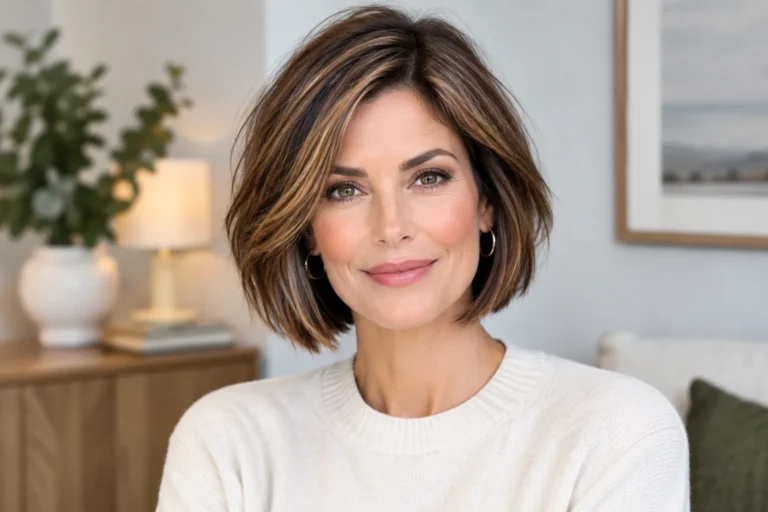
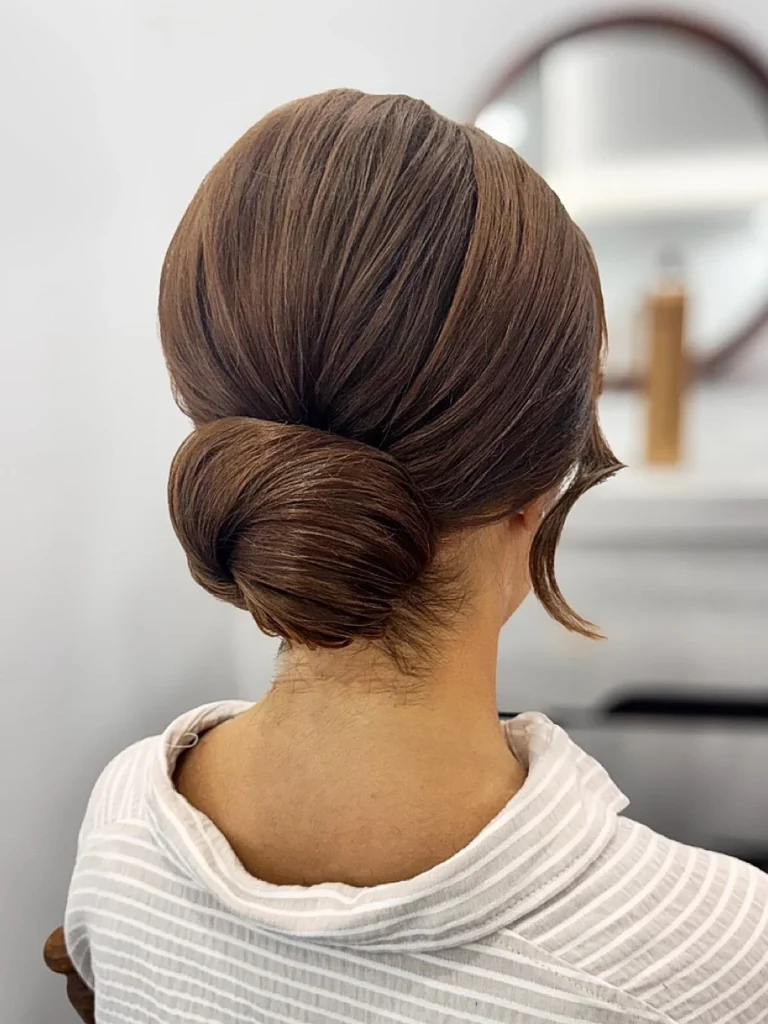
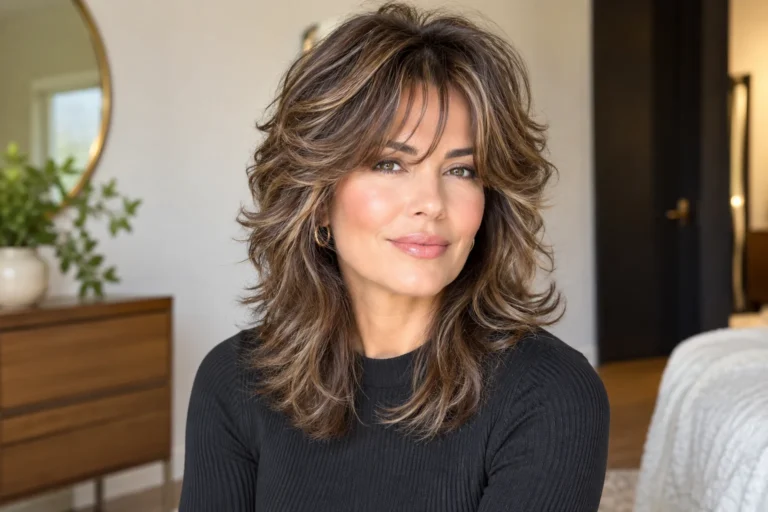
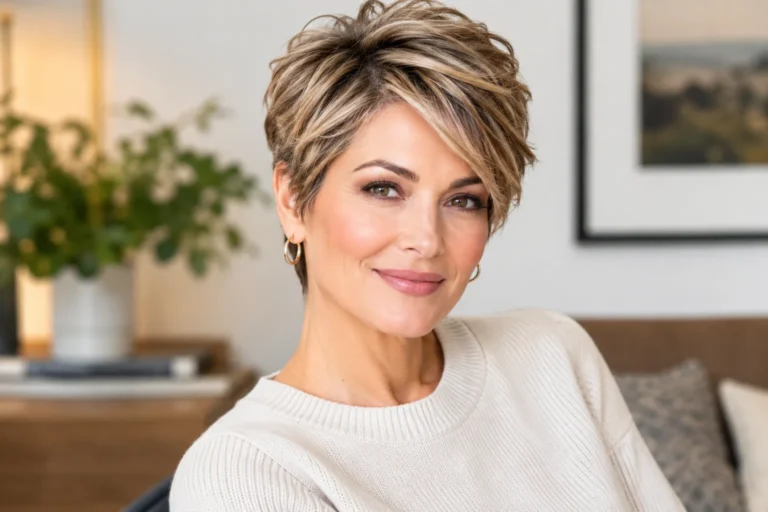
Pixie cuts for women over 40 are proof that short hair can be soft, polished, and full of personality at the same time. A good pixie frames the face, lifts the cheekbones, and takes years off a styling routine, all with a cut that grows out gracefully.
This collection gathers 22 pixie variations, from classic cropped shapes and feathered layers to curls, undercuts, and grey-blending colour. Each idea explains the length, the texture, and the upkeep, so you can walk into the salon knowing exactly what to ask for.
Whether your hair is fine, thick, straight, or curly, there is a pixie here that works with your texture instead of fighting it.
1. Classic Pixie Cut
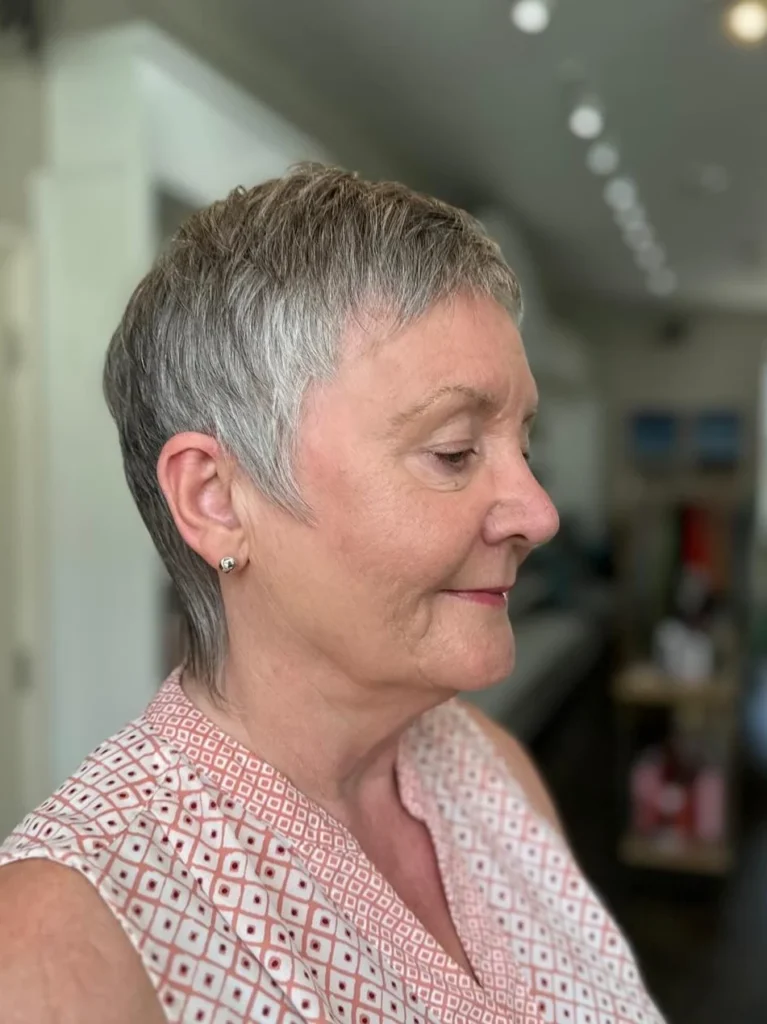
Credit: @sutherlandshairandbeauty
Short sides and back with a slightly longer top define the classic pixie, usually sitting close to the head with a neat side part. The crown carries just enough length to sweep or lift, while the nape stays tapered and clean. A light styling cream gives the top soft hold without stiffness.
This shape suits most face shapes and works best on straight or slightly wavy hair. It needs a trim every four to six weeks to keep the outline sharp, and it dries in minutes, which makes it a strong choice for busy mornings.
2. Layered Pixie with Volume

Credit: @janetreacyqvc
- Length: Crown layers around five to seven centimetres, sides cut shorter and blended.
- Texture: Choppy layers through the top create lift and movement.
- Face shape: Round and square faces benefit from the added height on top.
- Volume: A round brush and a root-lifting mousse build body while blow drying.
- Maintenance: Trims every five weeks keep the layers from collapsing.
Layered volume stops a pixie from lying flat against the head, which matters most for fine hair. Ask the stylist to point-cut the crown layers so the texture looks piecey rather than blunt, and finish with a pea-sized amount of texturising paste.
3. Pixie with Side-Swept Bangs
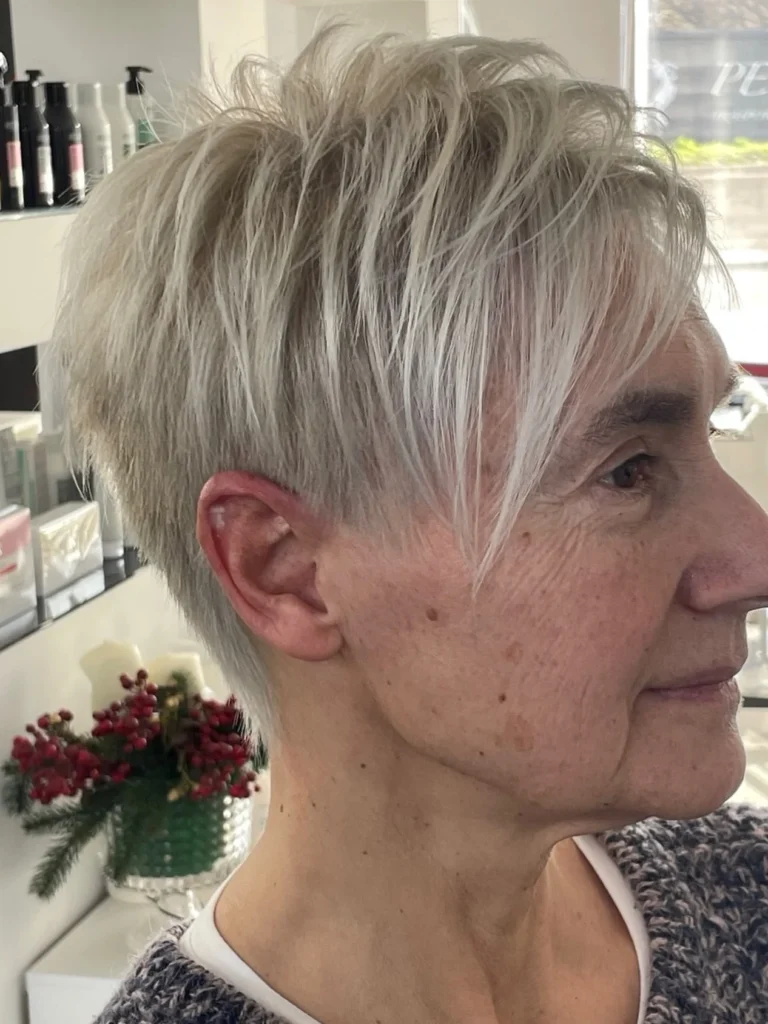
Credit: @mar.co.bs
Quick Tip: Blow dry the fringe across the forehead with a small round brush, then let it fall naturally to one side. A drop of smoothing serum on the ends keeps the sweep soft instead of stiff, and a quick re-sweep with fingers refreshes it during the day.
Side-swept bangs soften a pixie instantly, drawing attention to the eyes and cheekbones while breaking up a strong forehead line. The fringe length usually reaches the brow or just past it, so it can tuck behind the ear when you want the face fully open.
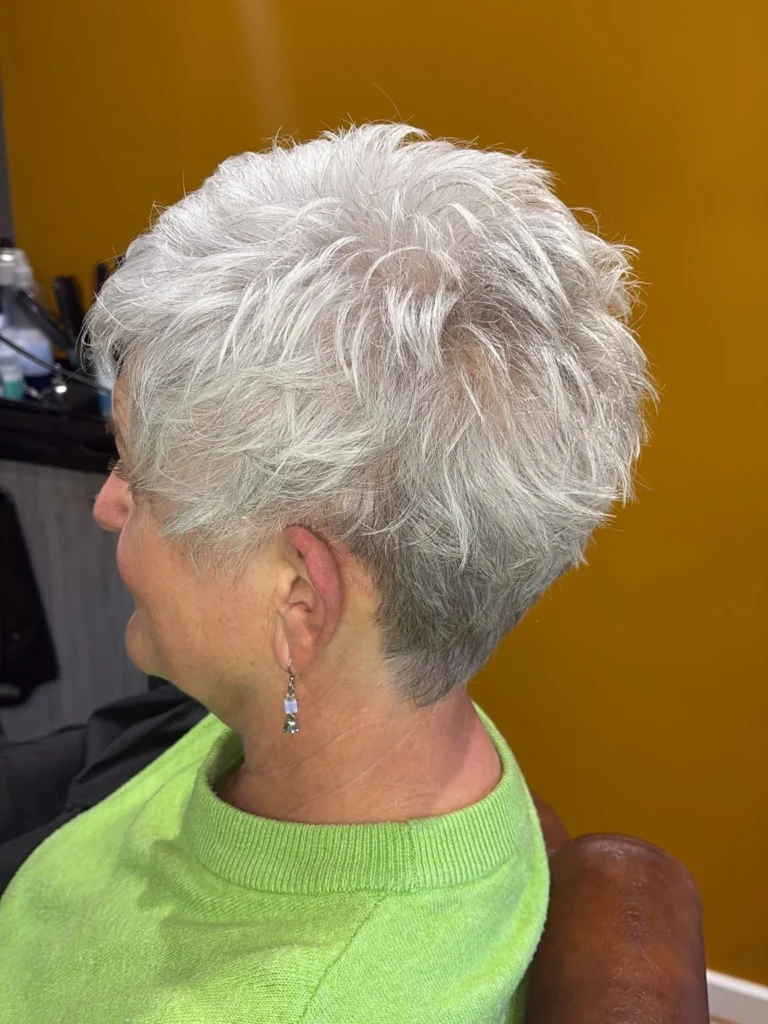
4. Textured Choppy Pixie
Credit: @clarke_and_me
BEFORE: A blunt short cut can look heavy and helmet-like, especially on thick hair, with every strand falling in the same solid line. The shape hides the natural movement of the hair and can feel severe around the face.
AFTER: Choppy, point-cut layers break that solid line into light, separated pieces that move when you turn your head. The outline stays short, but the texture looks airy and modern, with soft edges around the ears and neckline.
Choppy texture suits thick and wavy hair best, since the layers remove bulk without losing the cut’s shape. Keep the styling simple with a matte paste worked through dry hair, and avoid heavy oils that clump the pieces together.
If you love this length, explore our collection of short hairstyles for women over 40 for even more flattering ideas.
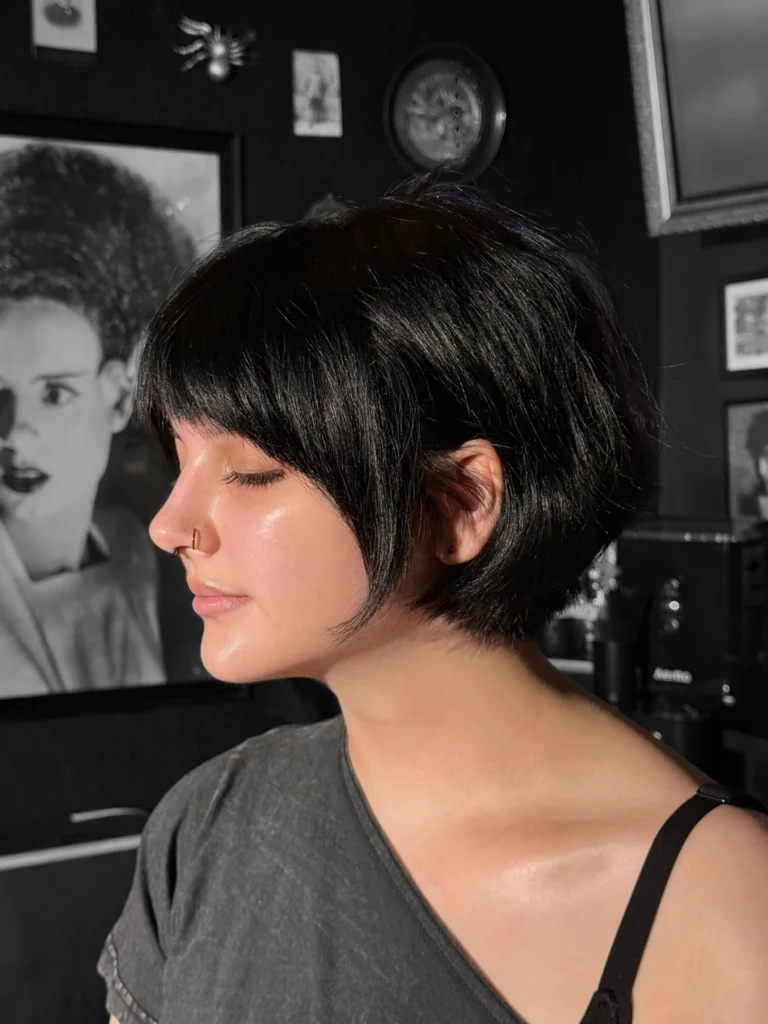
5. Pixie with Long Bangs
Credit: @thenickoeffect
- Wash and towel dry the hair, then apply a light volumising mousse through the top.
- Blow dry the fringe forward and to the side, lifting at the roots for soft height.
- Use a flat iron on low heat only on the fringe ends if they need smoothing.
- Finish with a flexible-hold spray so the long fringe moves but holds its shape.
Long bangs give a pixie styling freedom, since the fringe can sweep, part, or pin back depending on the day. This version suits oval and heart-shaped faces well, and it grows out more gracefully than a very short fringe.
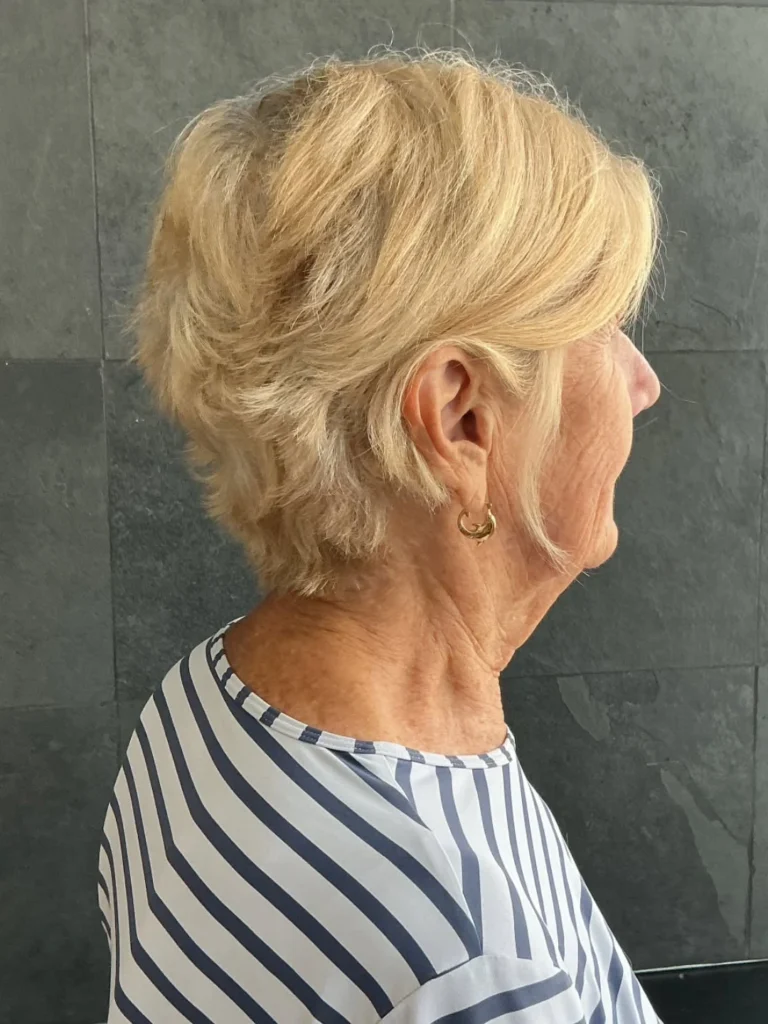
6. Asymmetrical Pixie Cut
Credit: @harmonyshairanddesign
| Feature | Short Side | Long Side |
|---|---|---|
| Length | Cropped close above the ear | Sweeps to the cheekbone or jaw |
| Styling | Needs little more than smoothing | Benefits from a round brush and serum |
| Face effect | Opens up one side of the face | Creates a diagonal line that slims the face |
| Upkeep | Trims every four weeks hold the contrast | The long side can grow out for two extra weeks |
An asymmetrical pixie suits women who want a short cut with a clear point of difference, since the uneven line adds drama without extra length overall. It works on straight and slightly wavy hair, and the contrast reads best when the parting stays consistent day to day.
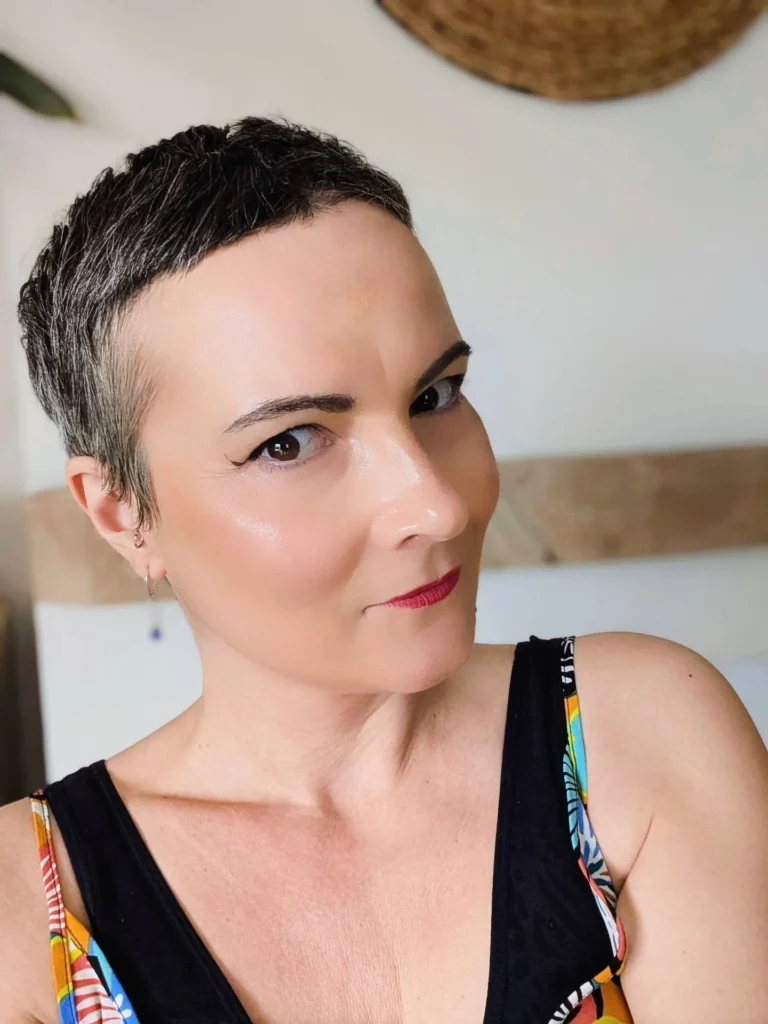
7. Pixie with Undercut
Credit: @kaywearswigs
DO:
- Keep the undercut section short but not shaved to the skin for a softer grow-out.
- Ask for a faded blend where the undercut meets the longer top.
- Use a strong-hold paste on the top to keep the contrast visible.
- Book trims every three to four weeks to hold the sharp line.
DON’T:
- Let the undercut grow past two centimetres, or the shape turns bulky.
- Pair a deep undercut with very thin hair, which can look sparse.
- Skip heat protection when flat ironing the longer top section.
- Overload the top with heavy wax, which flattens the lift.
An undercut pixie works by contrast: a close-cropped nape or side against a longer, styled crown. The result feels bold yet wearable, and it removes weight from thick hair, which makes the top easier to shape and quicker to dry.
8. Curly Pixie Cut
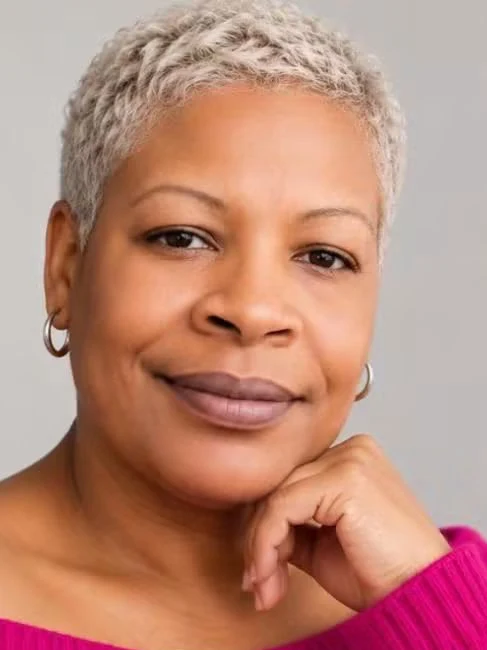
Credit: @michelleduncan390
- Hair Length: Top curls around seven to ten centimetres, sides tapered shorter.
- Hair Type: Natural curls and waves from loose to tight coils.
- Face Shape: Round and oval faces suit the rounded silhouette.
- Styling Time: About ten minutes with curl cream and diffusing.
- Maintenance: Trims every six to eight weeks, cut dry when possible.
Curly pixies need a stylist who cuts curls dry or understands shrinkage, since wet cutting can leave the shape far shorter than planned. Scrunch a curl cream into damp hair and diffuse on low heat, then let the curls settle naturally instead of brushing them out.
9. Sleek Side-Parted Pixie
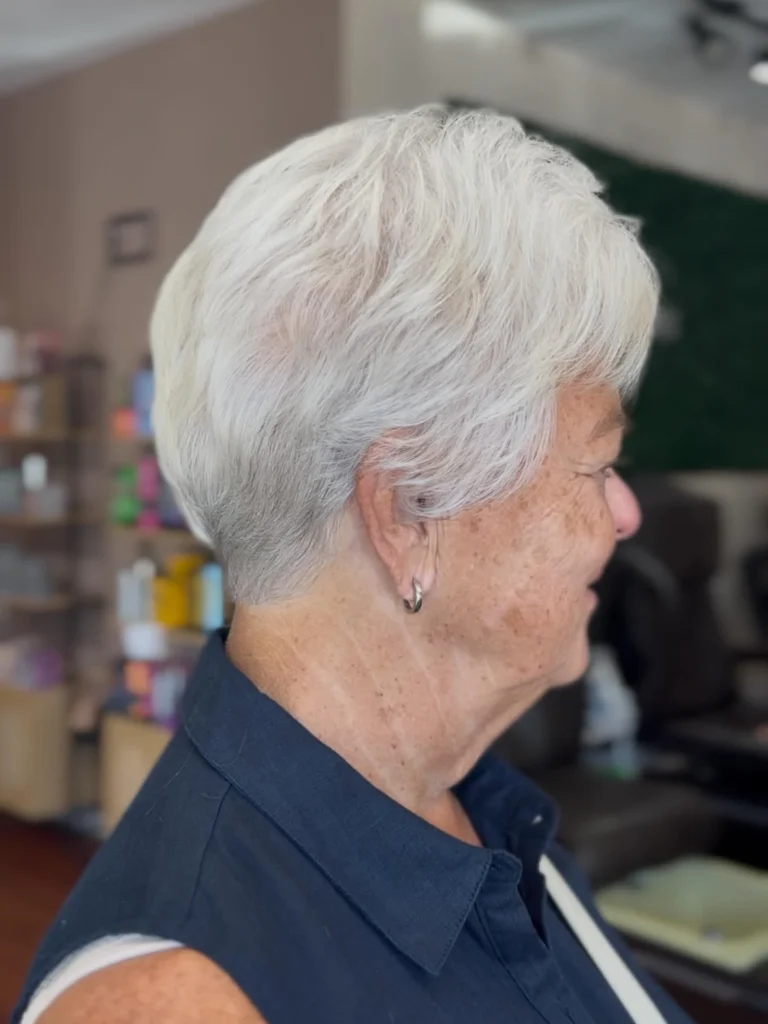
Credit: @bodybeautifulsalonspa
A deep side part with smooth, tucked sides gives this pixie a polished, almost sculpted finish. The top lies flat with a gentle curve over the forehead, and the ends curve slightly under at the ears. A smoothing serum and a fine-tooth comb create the sleek surface.
This version suits straight hair and formal occasions, since it reads refined rather than casual. It needs a trim every four weeks to keep the parting crisp, and a silk pillowcase helps the smooth finish last overnight.
10. Feathered Pixie Cut
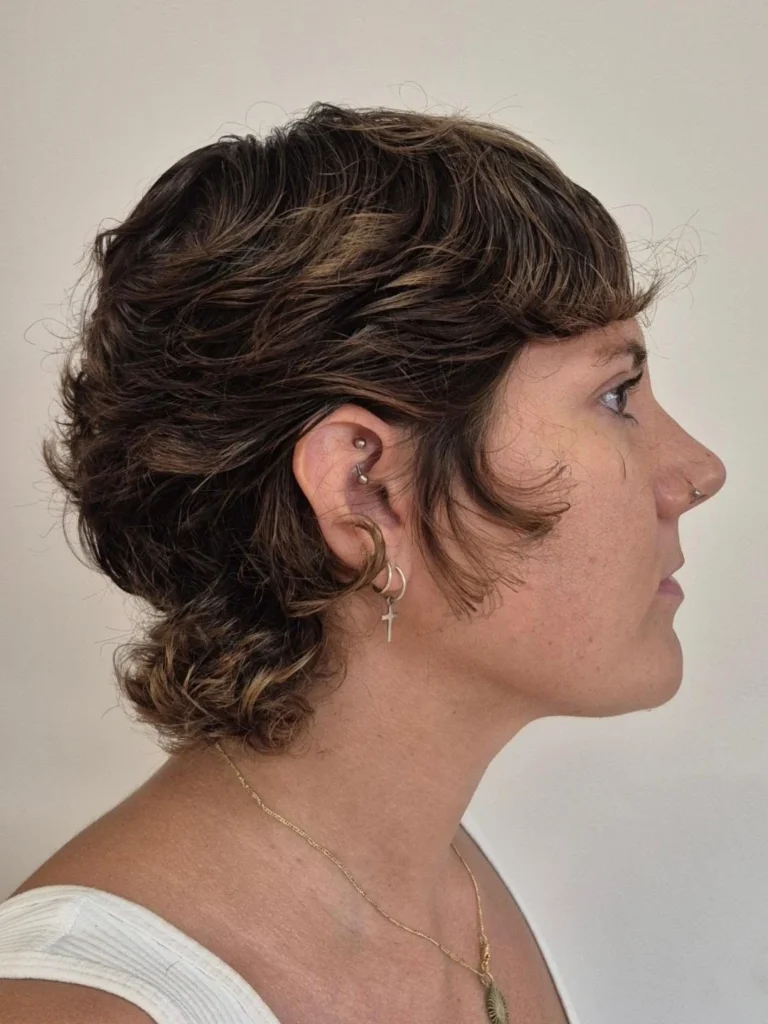
Credit: @joe_leechcutting
- Length: Feathered layers from the crown to the nape, longest around the face.
- Texture: Soft, wispy ends that flick outward instead of sitting blunt.
- Face shape: Heart and oval faces suit the face-framing flicks.
- Volume: Light and airy, with movement through the whole cut.
- Maintenance: A trim every five to six weeks keeps the feathering light.
Feathering suits fine hair beautifully, because the wispy layers create the illusion of fullness without weight. Blow dry with a small round brush, flicking the ends outward, and finish with a light-hold spray that does not stiffen the movement.
11. Pixie with Highlights Dimension
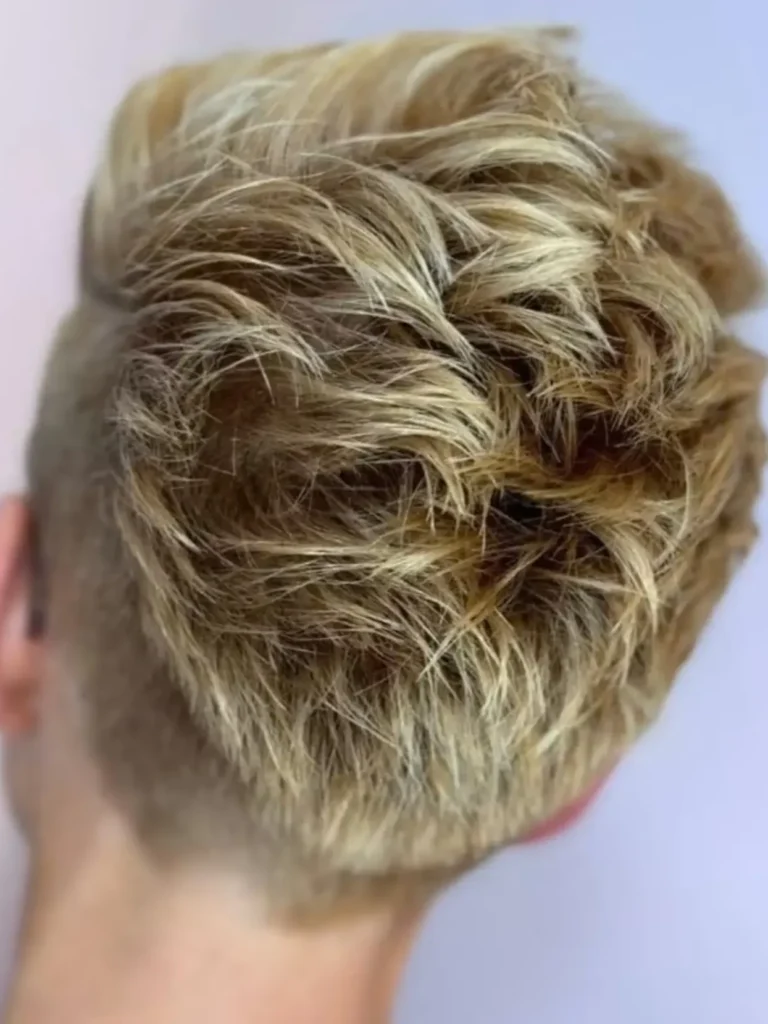
Credit: @hairbyclarekirby
Quick Tip: Ask for fine highlights woven through the crown and fringe rather than chunky streaks, since fine dimension makes short layers look deeper. Keep the base colour close to your natural shade so regrowth blends quietly between salon visits.
Highlights give a pixie visible depth, because light catches the shorter layers and separates them from the darker base. This works on every pixie shape, from classic to choppy, and it flatters grey-blending goals when the highlights sit near the natural grey tone.
If you are torn between a crop and a bob, browse our bob haircuts for women over 40 to see which length suits you best.
12. Tapered Pixie Cut
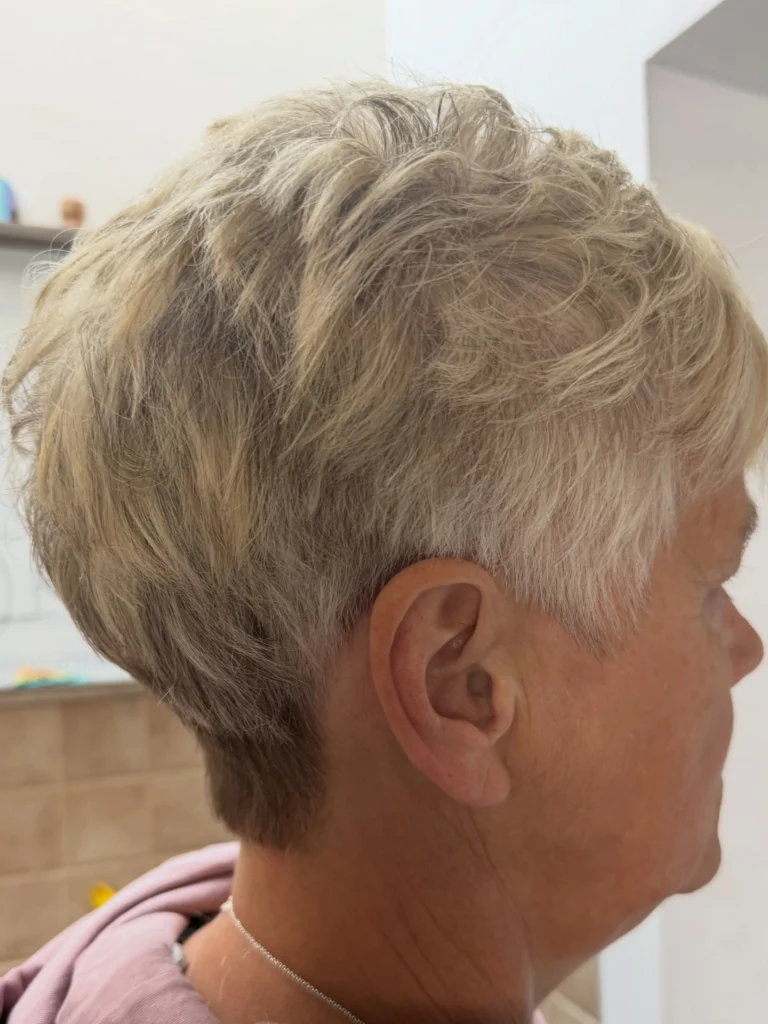
Credit: @handleys_hairdressing
BEFORE: A one-length short cut can look boxy from behind, with the same bulk at the nape as at the crown. The shape feels heavy at the neckline and hides the natural curve of the head.
AFTER: A tapered nape and sides graduate smoothly from short at the hairline to longer at the crown, giving a clean, sculpted outline. The back view looks neat and intentional, and the crown keeps enough length for soft styling.
Tapering suits straight and wavy hair and works well for professional settings, since the outline stays tidy between trims. Ask for a gradual taper rather than a harsh line, and keep the nape trimmed every four weeks for the cleanest finish.
13. Pixie Bob Blend
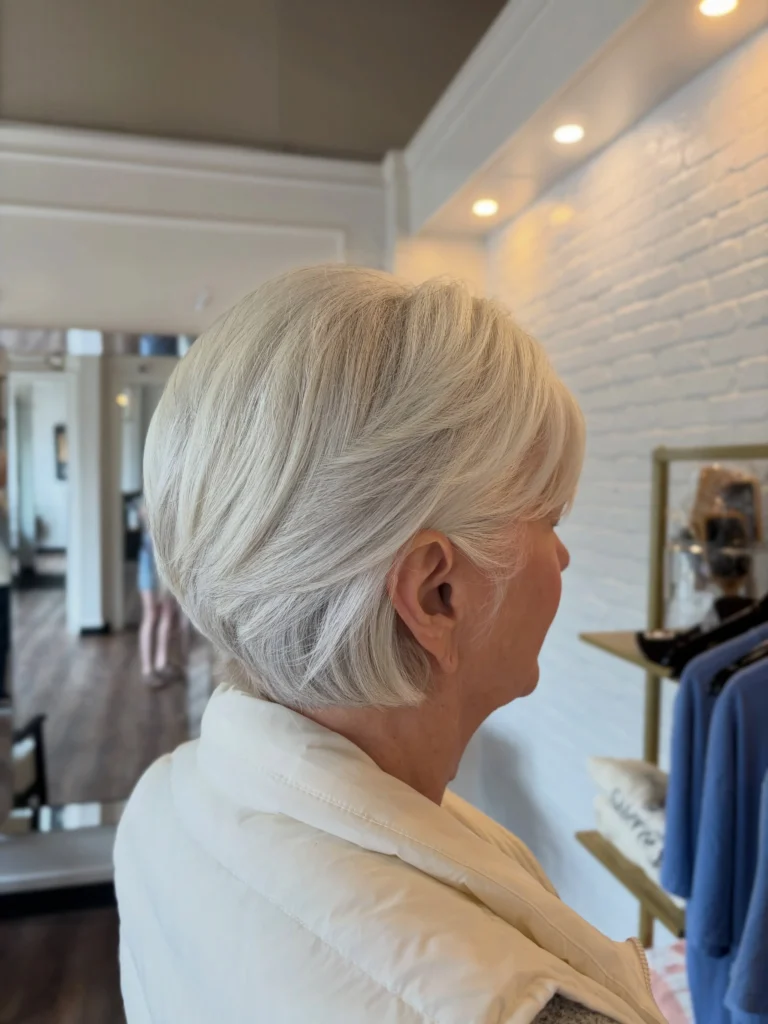
Credit: @hairbyjordankovacs
- Start with a pixie base, keeping the nape tapered and the sides close.
- Leave the top and front longer, reaching the cheekbone or just past it.
- Blend the transition with soft layers so no hard line appears.
- Style the longer front pieces with a round brush for a gentle curve.
The pixie bob blend suits women who love short hair but are not ready for a full crop, since the longer front keeps styling options open. It flatters round faces by adding length near the jaw, and it grows out into a short bob with little awkwardness.
14. Pixie with Curtain Bangs
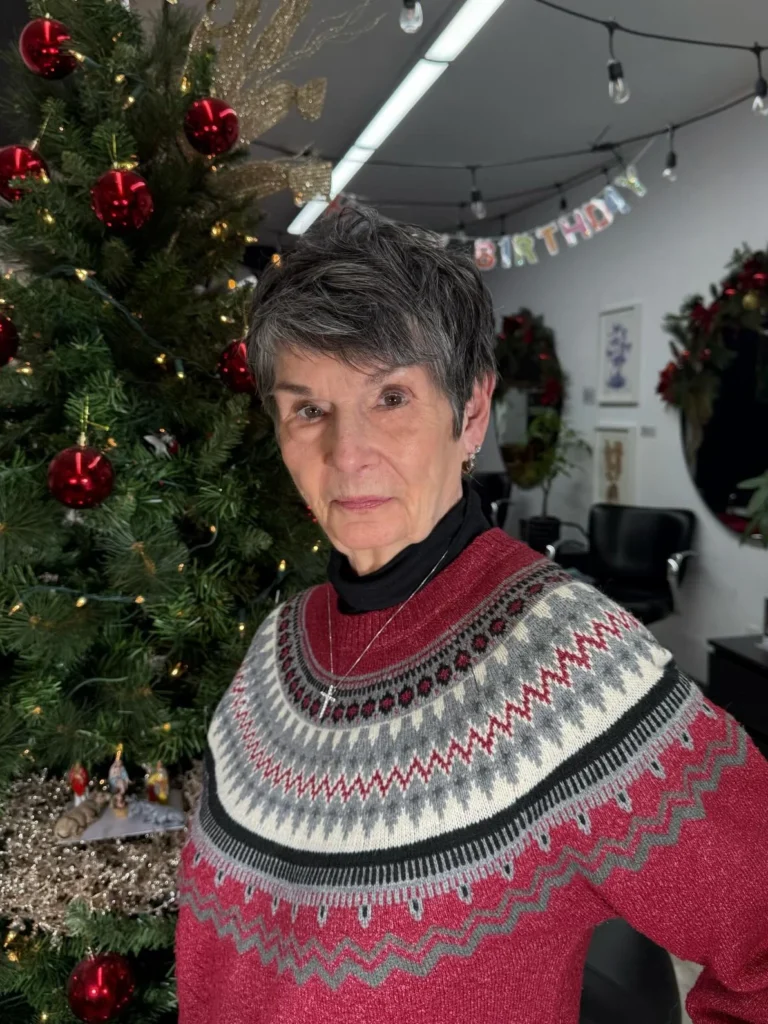
Credit: @atelie_erynsantos
| Feature | Curtain Bangs | Side-Swept Bangs |
|---|---|---|
| Parting | Centre part, fringe splits both ways | Deep side part, fringe sweeps one way |
| Face framing | Frames both sides of the face evenly | Opens one side, covers the other |
| Length | Usually cheekbone length at the ends | Usually brow length, sweeping past the eye |
| Styling effort | Needs a round brush on both sides | Needs one sweep and a little serum |
Curtain bangs soften a pixie without covering the forehead completely, since the split fringe frames the face like a curtain. This pairing suits oval and long faces best, and it works with straight or wavy textures that hold a gentle bend.
15. Grey Blending Pixie
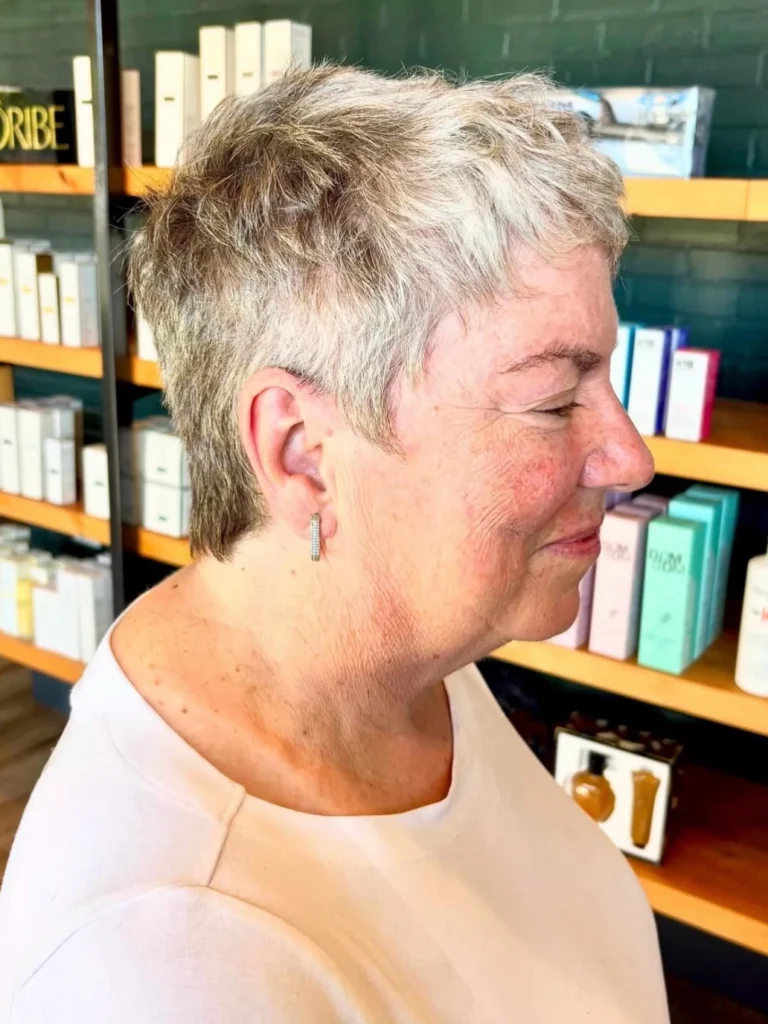
Credit: @theorypleasanton
DO:
- Ask for lowlights in your natural grey tone to blend regrowth softly.
- Keep the cut textured so grey strands catch light in layers.
- Use a purple shampoo once a week to stop yellowing.
- Moisturise with a light leave-in, since grey hair runs drier.
DON’T:
- Colour the whole head one flat dark shade, which shows regrowth fast.
- Overuse heat tools on grey hair, which can turn it brittle.
- Skip trims, since dry ends show more on short grey cuts.
- Pile on heavy products that dull the natural silver shine.
A grey blending pixie turns natural silver into a feature instead of something to hide, with dimension woven through short layers. The cut itself stays low maintenance, and the colour grows out gracefully, which means fewer salon visits and a softer, more natural finish.
16. Spiky Pixie Cut
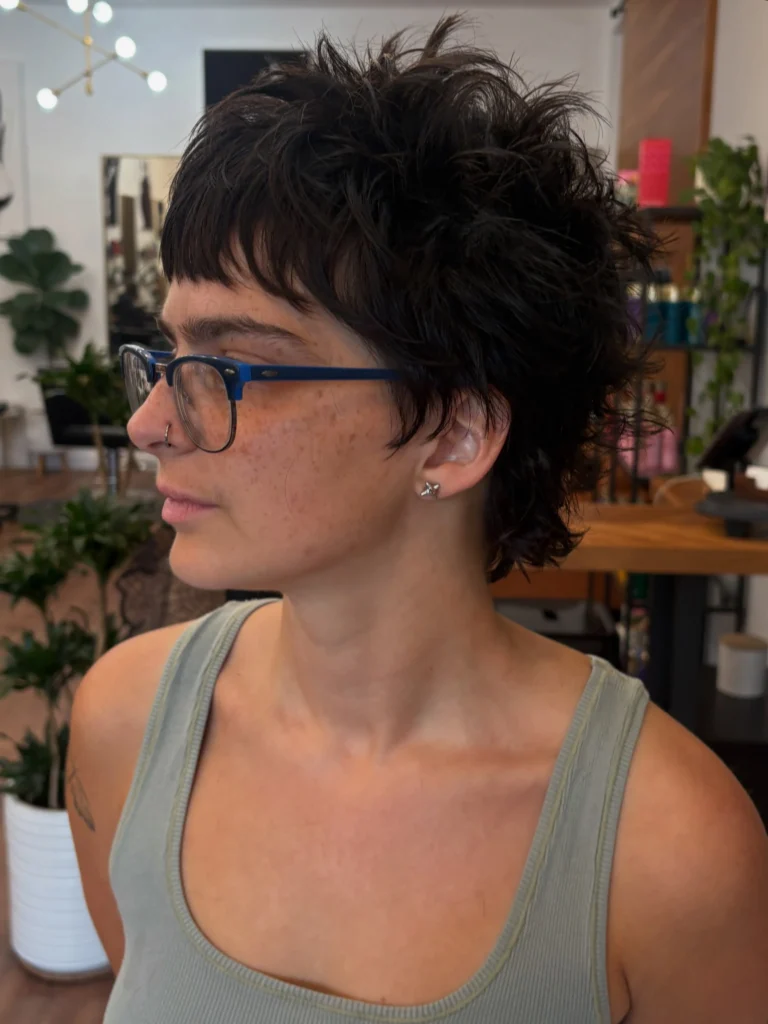
Credit: @love.bug.looks
- Hair Length: Crown spikes around five centimetres, sides cut very short.
- Hair Type: Straight and thick hair holds spikes best.
- Face Shape: Oval and heart faces suit the upward lift.
- Styling Time: About five minutes with strong paste.
- Best Occasion: Evenings out and creative settings.
Spiky texture gives a pixie energy and edge, with piecey ends lifted away from the head. Work a strong-hold paste through dry hair, pinch the ends upward in small sections, and keep the sides smooth so the contrast stays sharp.
17. Soft Feminine Pixie
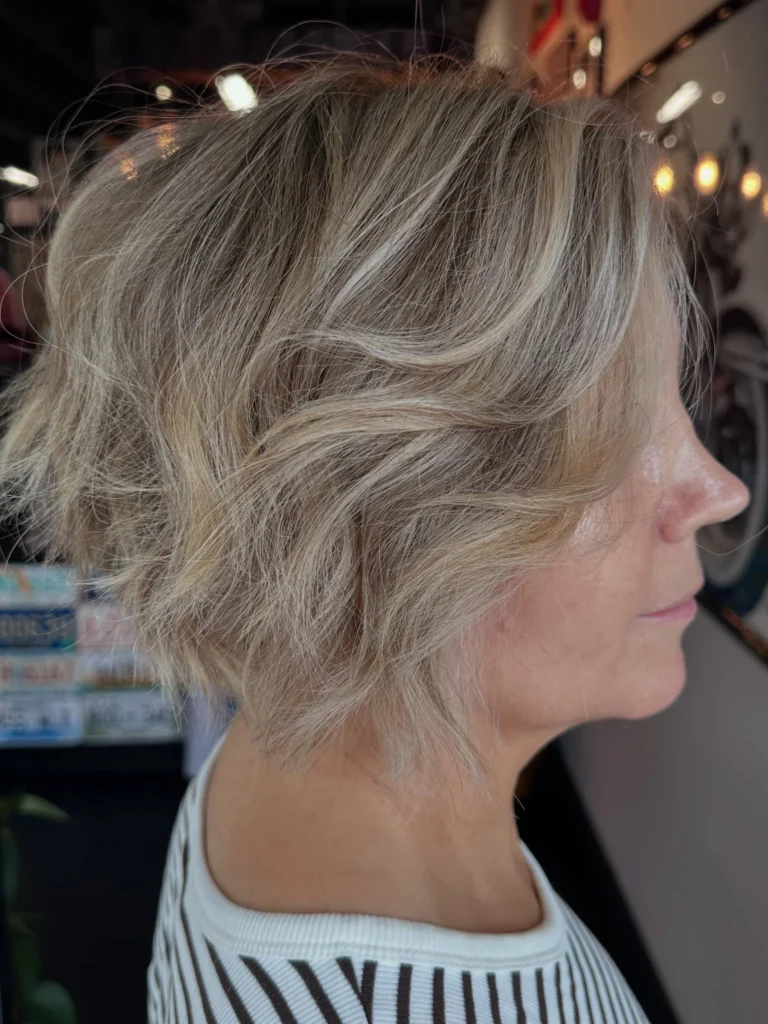
Credit: @amanda_rose_hair
Rounded layers and a longer, gently curved fringe give this pixie a soft, romantic outline. The sides tuck behind the ears, the nape stays feathered rather than sharp, and the crown carries enough length to curve naturally. A light cream adds shine without stiffness.
This version suits women who want short hair without a severe edge, and it flatters round and square faces by softening the jawline. Among pixie cuts for women over 40, this softer shape is a favourite first step into short hair. It needs a trim every five weeks, and it air dries well on slightly wavy hair.
18. Pixie with Face-Framing Layers
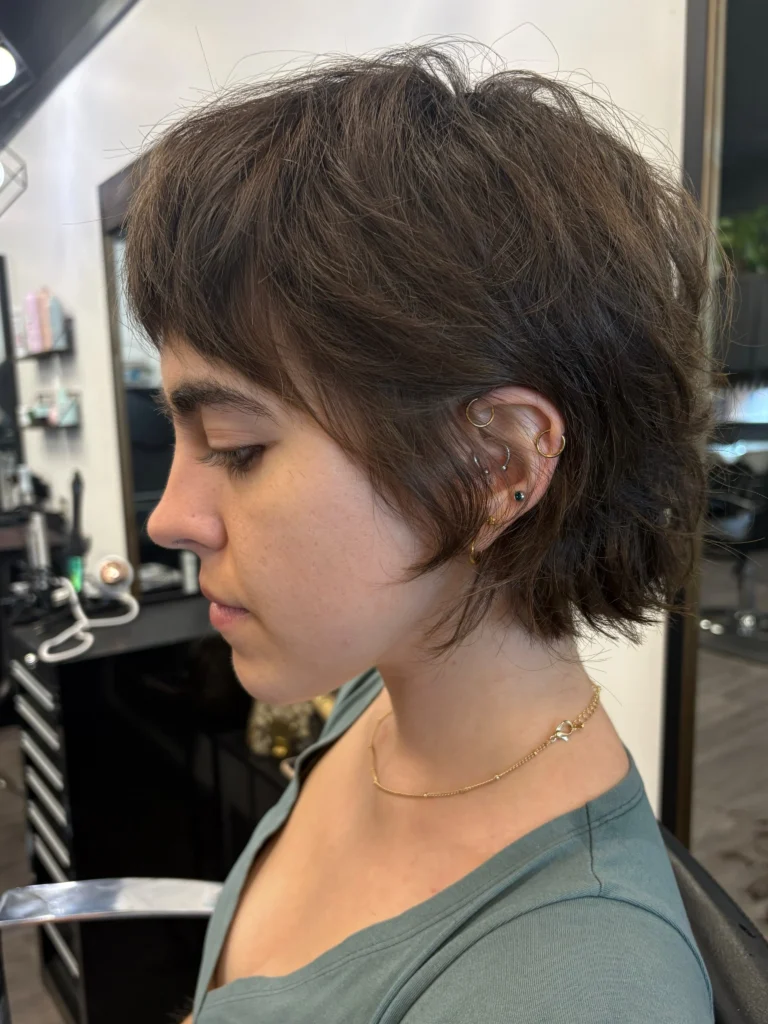
Credit: @spiritedhair
- Length: Face layers from brow to chin, shortest near the temples.
- Texture: Soft layers that curve toward the face.
- Face shape: Square and long faces benefit from the softening frame.
- Volume: Medium, with lift at the crown and softness at the sides.
- Maintenance: Trims every five weeks keep the frame in place.
Face-framing layers draw the eye to the eyes and cheekbones, which makes this pixie especially flattering after forty. Style the layers inward with a small round brush, and keep the rest of the cut simple so the frame stays the focal point.
19. Tousled Pixie Cut
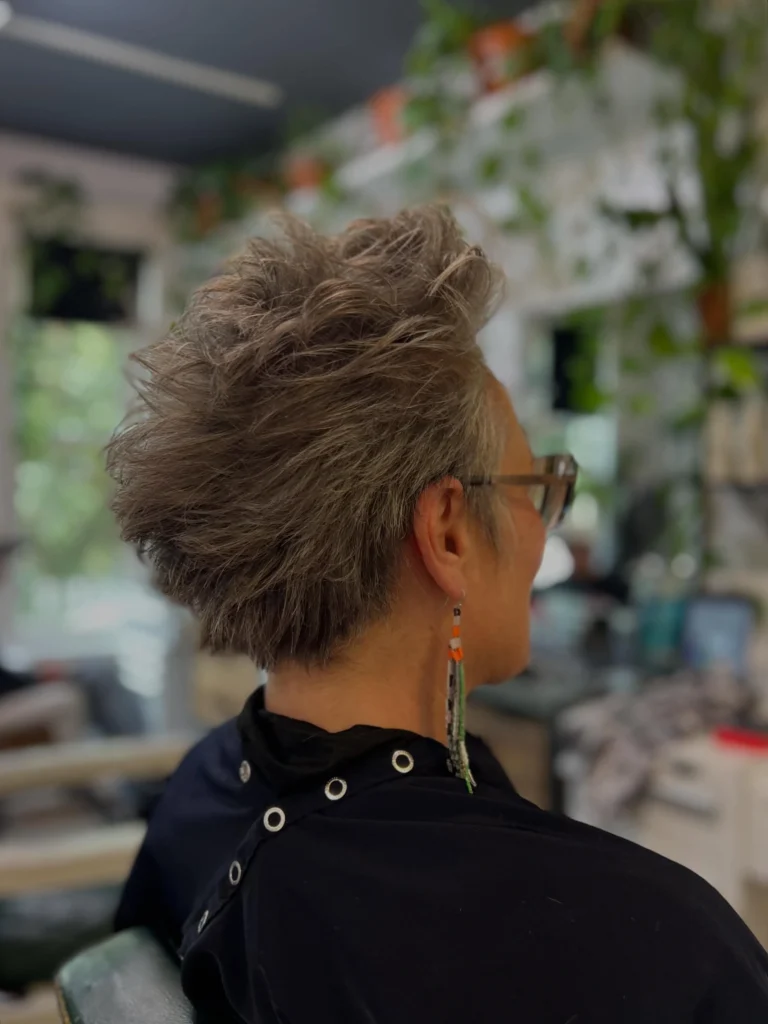
Credit: @iza_dezign
Quick Tip: Spritz a sea salt spray through damp hair, scrunch gently, and let it air dry for a lived-in texture. If the top falls flat, flip the part to the other side for instant lift, and finish with a dry texturising spray at the roots.
A tousled pixie looks relaxed and modern, with soft, uneven pieces that never sit too perfectly. The texture suits wavy hair best, and it hides the awkward stages of growing out, since the messiness is part of the style.
20. Pixie with Wispy Bangs
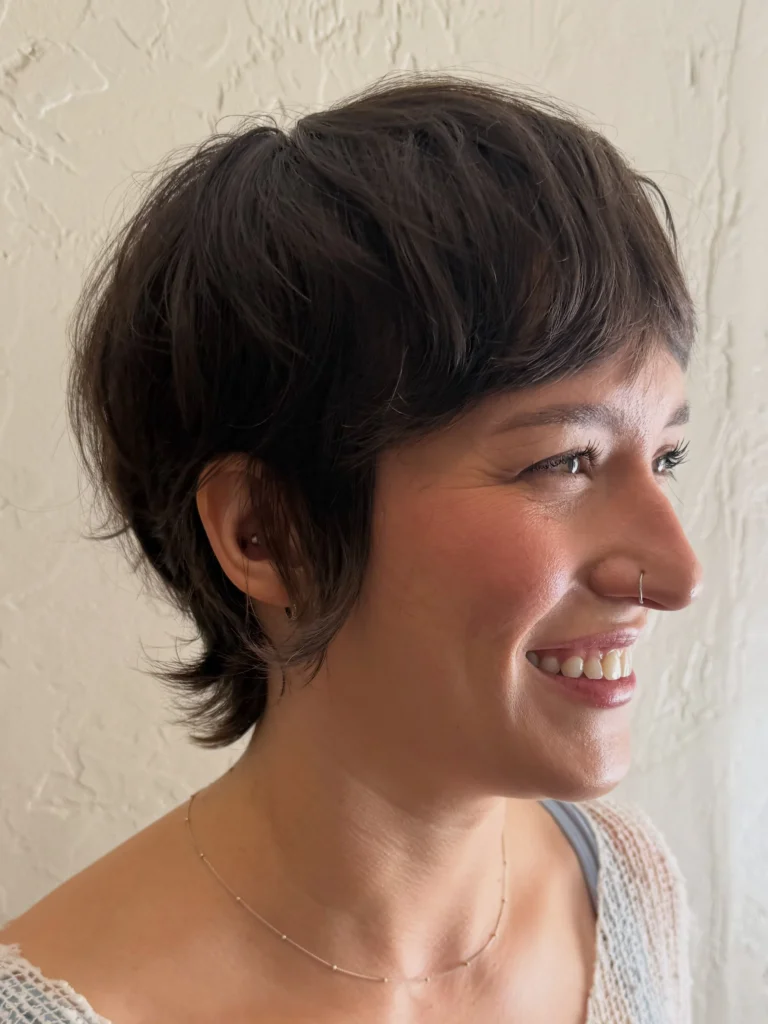
Credit: @velvetmoonhair
BEFORE: A heavy, blunt fringe can dominate a pixie and hide the eyes, especially on fine hair where a thick bang looks sparse at the ends. The forehead disappears behind one solid block of hair.
AFTER: Wispy, feathered bangs sit lightly across the forehead, with airy gaps that let the skin show through. The eyes stay visible, the fringe feels soft, and the whole cut reads lighter and more youthful.
Wispy bangs suit fine hair and smaller foreheads, since the lightness prevents the fringe from overwhelming the face. Trim the wisps every three weeks, or they grow into the eyes fast, and style them with fingers rather than a brush.
21. Pixie with Long Crown Layers
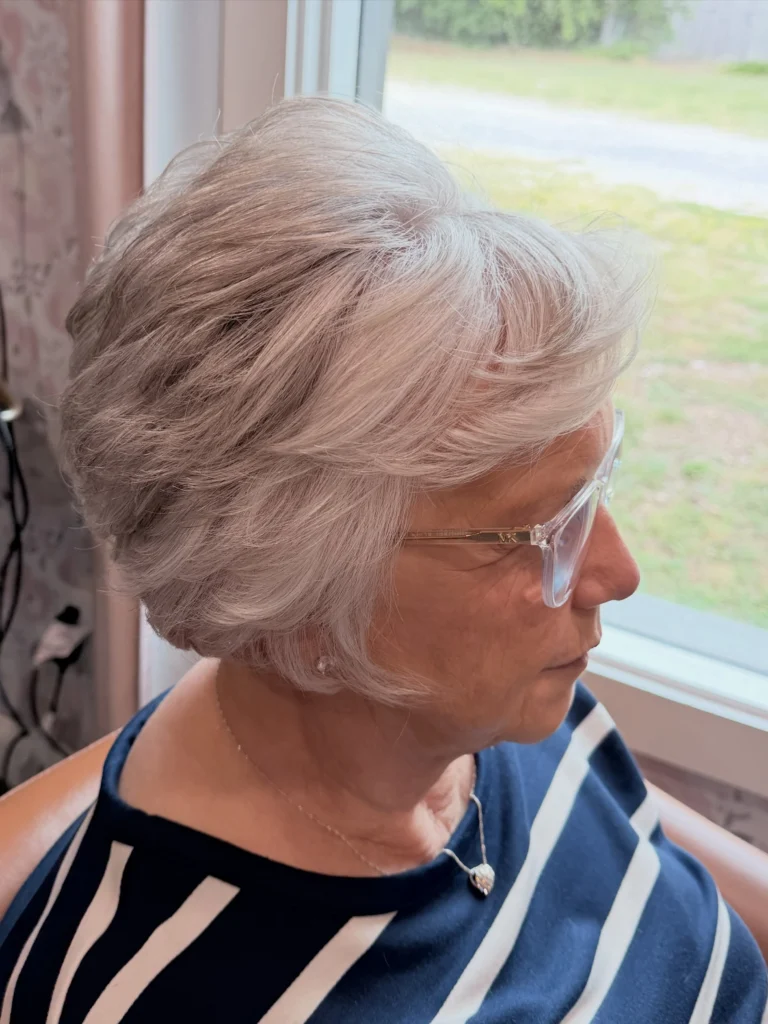
Credit: @hair_by_laico
- Keep the sides and nape short and tapered for a clean outline.
- Leave the crown layers long enough to sweep, lift, or pin.
- Blow dry the crown upward with a round brush for volume.
- Set the shape with a flexible spray that still allows movement.
Long crown layers give a pixie its most versatile top, since the length can change direction with the parting or the occasion. This version suits thick hair well, as the layers remove weight, and it offers the easiest grow-out path of any pixie here.
22. Low Maintenance Pixie
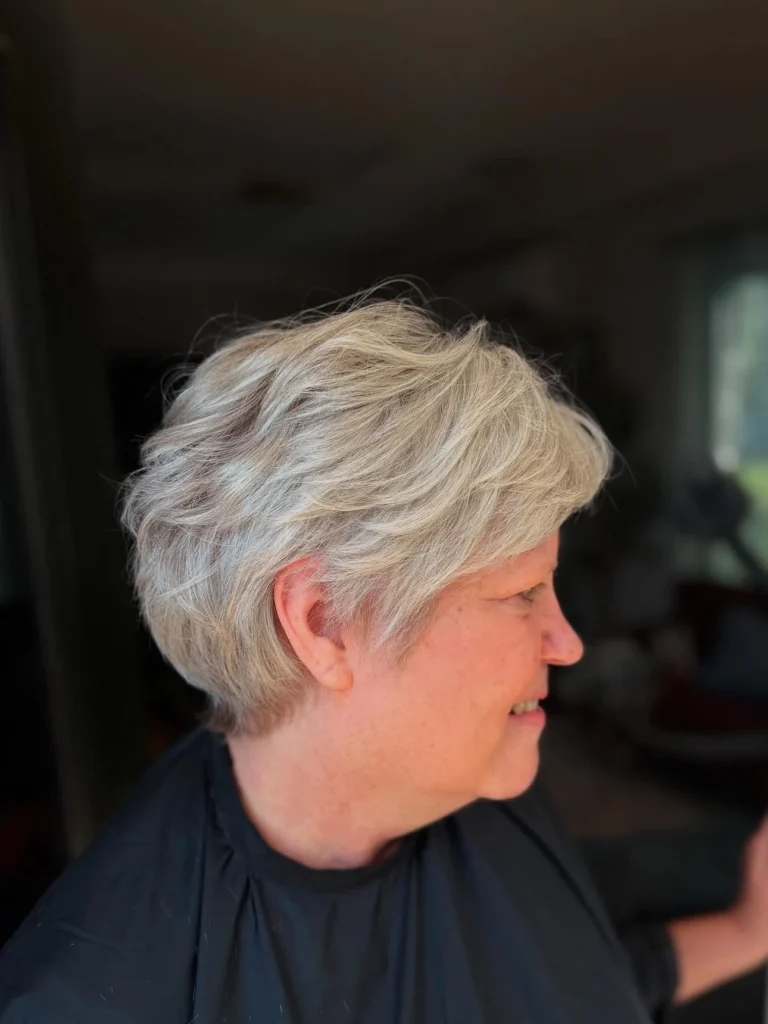
Credit: @justabbie_hair
| Feature | Low Maintenance Pixie | High Style Pixie |
|---|---|---|
| Daily styling | Wash and go, under five minutes | Needs tools and products daily |
| Trims | Every six to eight weeks | Every three to four weeks |
| Products | One cream or paste at most | Mousse, spray, serum, and paste |
| Grow-out | Softens into a textured crop | Loses shape quickly without trims |
A low maintenance pixie keeps the cut slightly longer all over, so it holds its shape between salon visits without daily styling. The layers are soft rather than sharp, which means regrowth blends in, and a single styling cream is usually enough for a finished look.
Pixie Cut Tips That Keep the Cut Looking Fresh
Book trims before the shape falls apart, since a pixie loses its outline faster than longer cuts. Most pixies need attention every four to six weeks, and a quick nape tidy between full cuts can stretch the shape by two extra weeks.
Wash with a lightweight shampoo and avoid heavy conditioners on the roots, which flatten short layers. Style on damp hair when you want lift, and keep one reliable paste or cream in the routine instead of layering five products at once.
Conclusion
These 22 pixie cuts for women over 40 show how much variety lives inside one short haircut, from classic crops and soft feathered layers to bold undercuts and silver-blending colour. The right pixie depends on your hair texture, your face shape, and how much daily styling you honestly want to do.
Take your favourite idea to the salon, point out the length and the texture you like, and ask what it needs between visits. Save this collection on Pinterest for your next appointment, and enjoy a cut that feels lighter, fresher, and entirely your own.
FAQs
1. Are pixie cuts good for women over 40?
Yes, pixie cuts suit women over 40 very well, since they lift the face, open up the cheekbones, and cut styling time sharply. The key is choosing the right variation for your face shape and hair texture, and keeping trims regular so the shape stays intentional.
2. How often does a pixie cut need trimming?
Most pixie cuts need a trim every four to six weeks to hold their outline, with undercuts and very short shapes needing attention every three to four weeks. Slightly longer, softer pixies can stretch to seven or eight weeks before the shape starts to blur.
3. Will a pixie suit fine or thin hair?
A pixie can suit fine hair beautifully when the cut uses layers, texture, and lift at the crown, since those elements create fullness. Ask for choppy or feathered layers rather than a blunt crop, and use a light volumising product instead of heavy creams.
4. Can I grow out a pixie cut gracefully?
Yes, growing out a pixie works best with regular shaping trims every six to eight weeks, keeping the back tidy while the top gains length. Longer crown layers, side-swept bangs, and the pixie bob blend all ease the transition toward a short bob.
5. How do I style a pixie cut at home?
Start with damp hair, work a small amount of mousse or cream through the top, and blow dry with your fingers or a small round brush for lift. Finish with a pea-sized amount of paste for texture, and refresh the shape on later days with a dry texturising spray.