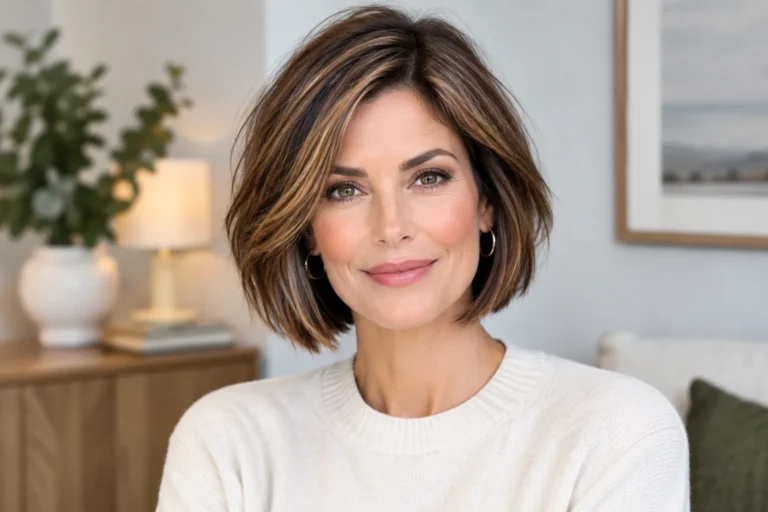
23 Stunning Hairstyles for Thin Hair for Women Over 40
Introduction
Hairstyles for thin hair for women over 40 work best when the cut itself creates fullness, not when styling products do all the heavy lifting. Fine hair can look flat by midday, especially around the crown and parting, but the right layers, length, and fringe change how thick it appears from every angle.
This guide gathers 23 cuts and styles chosen for fine, thinning, or low-density hair, from blunt bobs that end in one strong line to soft shags that build movement without removing weight.
Each idea explains the length, the layer placement, and the daily styling effort, so you can pick a look that suits your face shape, your routine, and how much time you want to spend with a dryer.
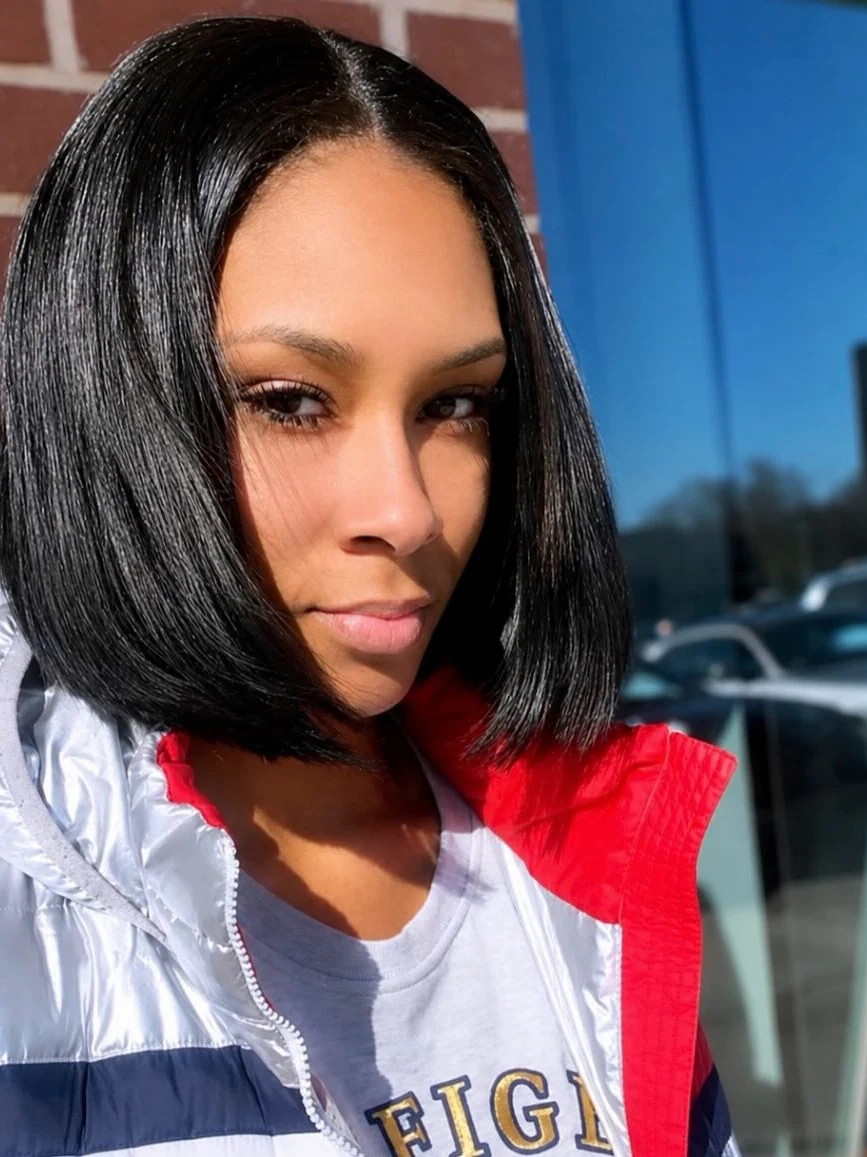
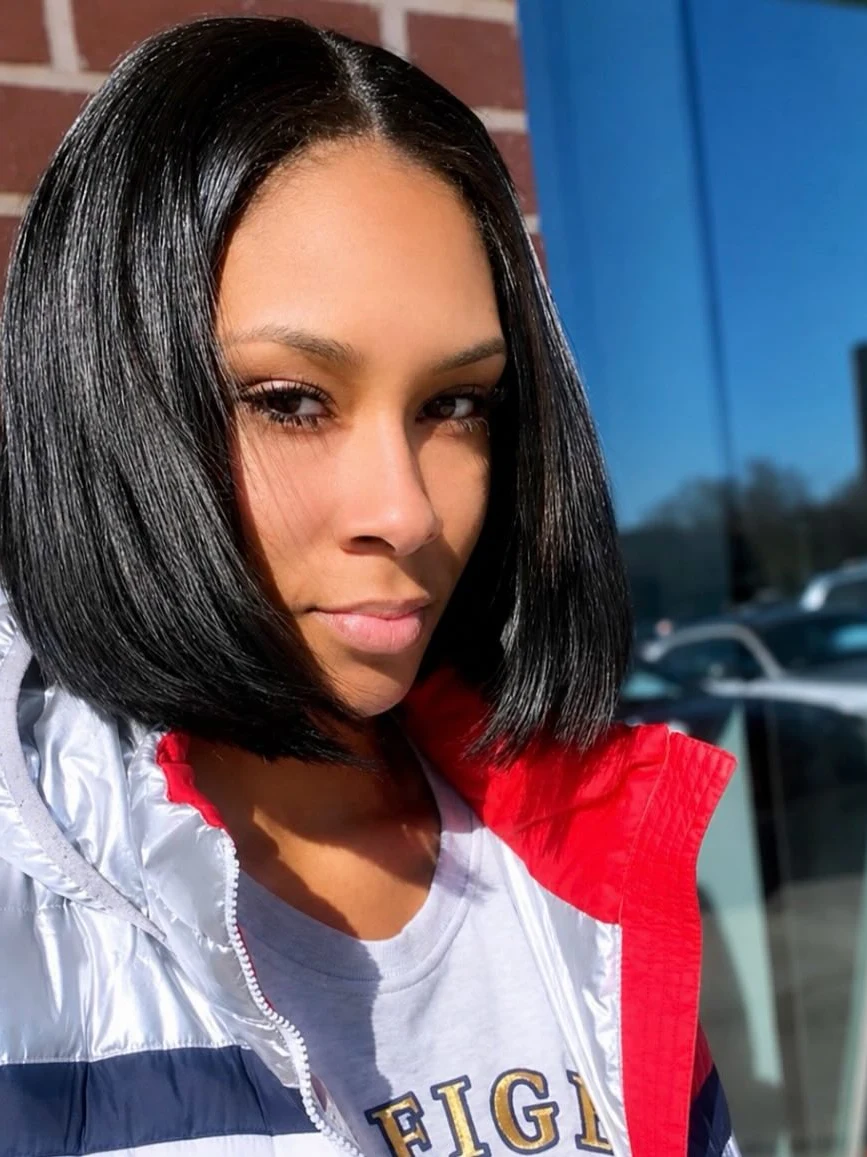
1. Blunt Chin-Length Bob
Credit: @luxxehair_spaandsalonbylae
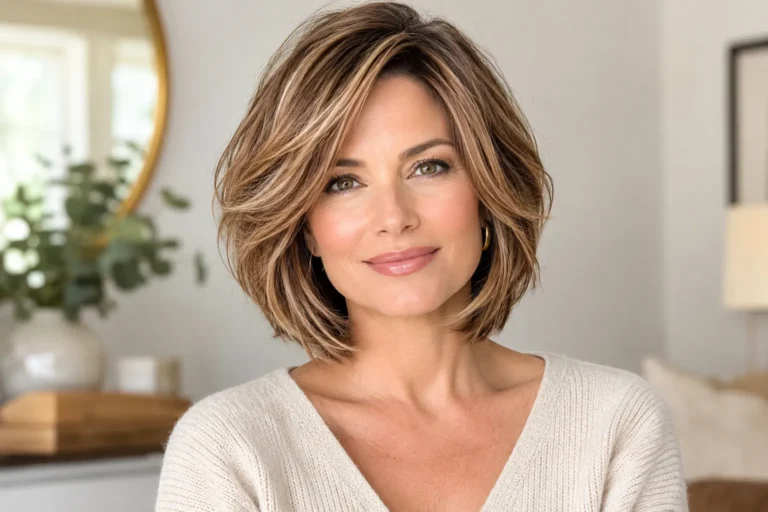
A chin-length bob cut in one clean line gives fine hair an instant dense edge. With no layers to thin the ends, the perimeter looks thick and deliberate, and the jaw-length shape lifts the face without needing height at the crown. A center or slightly off-center part keeps the shape balanced.
This cut suits straight to slightly wavy hair and oval, heart, and long face shapes. Ask your stylist for a blunt perimeter with minimal texturizing, and book a trim every six weeks so the strong edge never turns wispy. A pea-sized drop of lightweight smoothing cream is enough for polish.
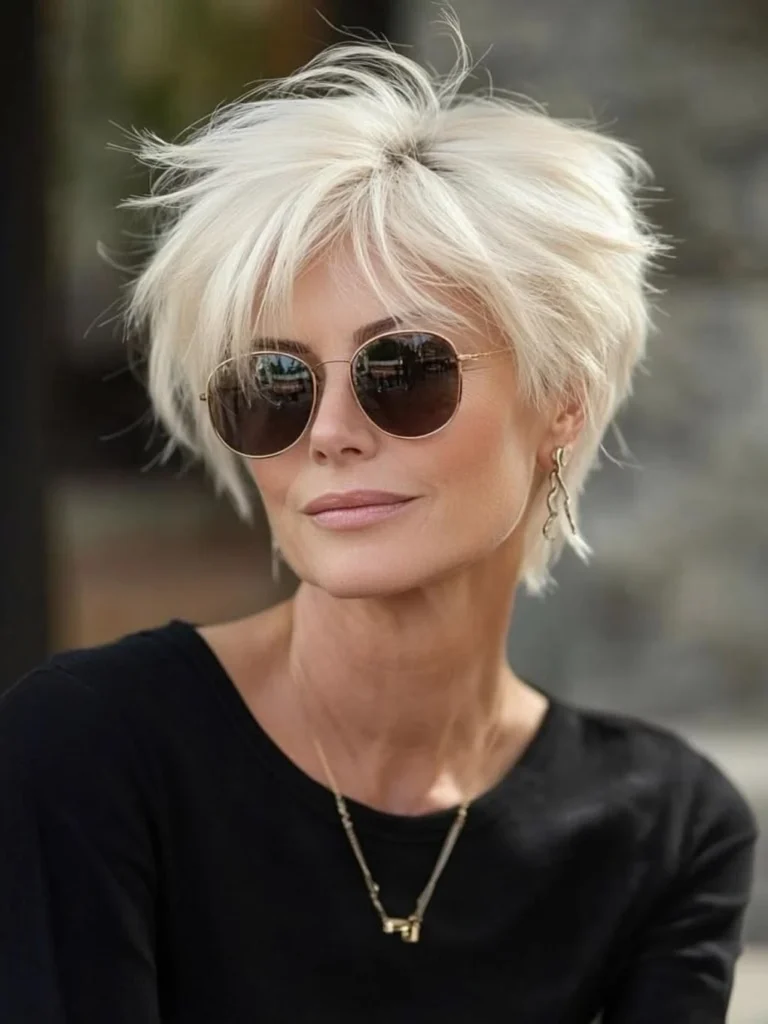
2. Feathered Pixie Cut
Credit: @theladyofthegoldrings
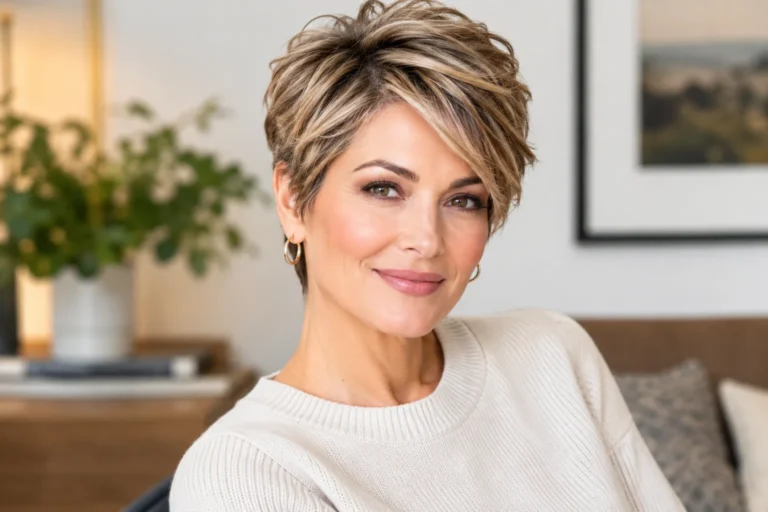
- Length: Short, with feathered layers around the crown and nape
- Texture: Fine to medium, straight or softly wavy
- Face shape: Oval, heart, and square faces
- Volume trick: Short layers at the crown lift flat roots
- Maintenance: Trim every 4 to 5 weeks to hold the shape
Short feathered layers stack on top of each other, which makes the crown look naturally fuller instead of pressed flat. The nape stays neat while the top keeps movement, so the style reads as deliberate texture rather than thinness. A dab of matte paste scrunched into the crown is all the styling it needs.
3. Long Layered Cut
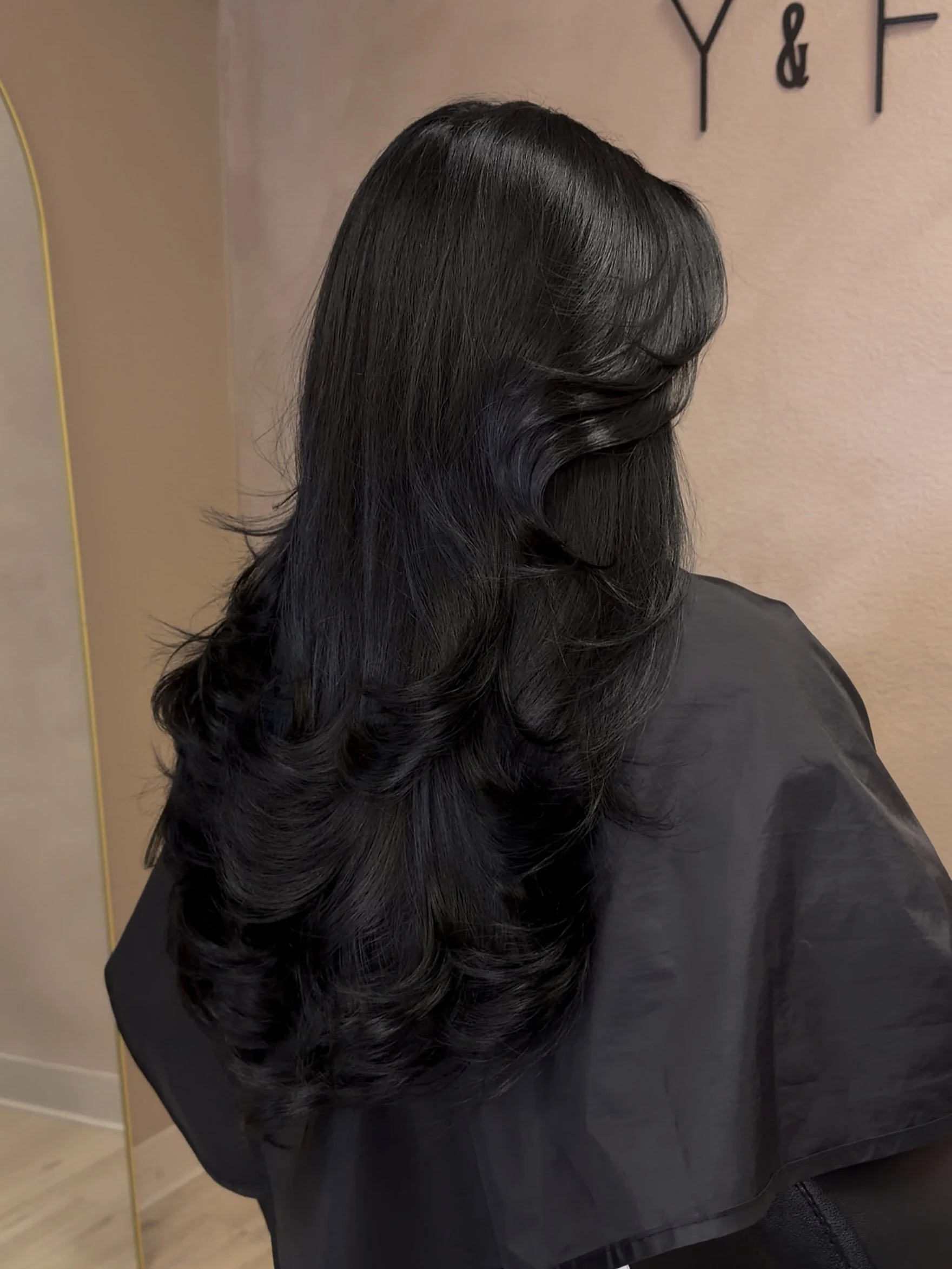
Credit: @paintnstyledbyfran
Quick Tip: For long thin hair, keep layers long and few. Ask for three or four face-framing layers starting at the cheekbones, not short choppy layers through the whole length. Short layers remove weight where fine hair needs it most, while long layers add swing without sacrificing the ends.
The result keeps the length you love while the front pieces create softness around the face. This suits women who want to keep their hair past the shoulders but are tired of it hanging limp. A round brush on the front sections alone gives the whole style lift in under ten minutes.
4. Side-Swept Bangs Style
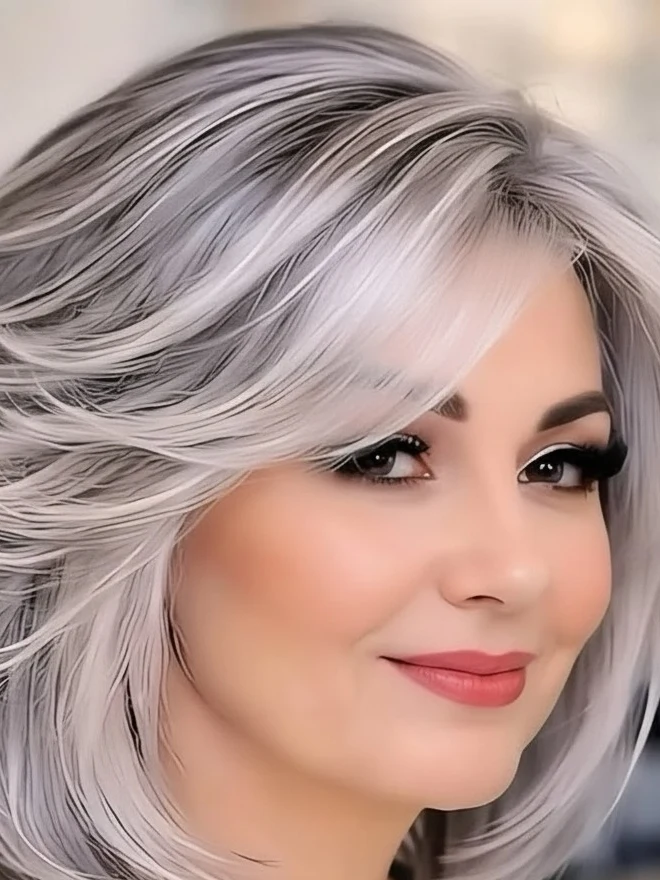
Credit: @tunsorilamoda
BEFORE: A middle part with no fringe left a wide forehead and a sparse-looking hairline fully exposed, and fine hair fell flat on both sides of the face with nothing to break the line.
AFTER: A deep side-swept fringe covers the hairline diagonally, adds width across the forehead, and creates a soft diagonal that makes the rest of the hair look thicker by comparison.
Keep the fringe long enough to tuck behind the ear on busy days. It grows out gracefully, needs a trim only every six to eight weeks, and works with bobs, lobs, and longer cuts alike.
For more short ideas that suit fine hair, see these short hairstyles for women over 40.
5. Textured Lob Cut
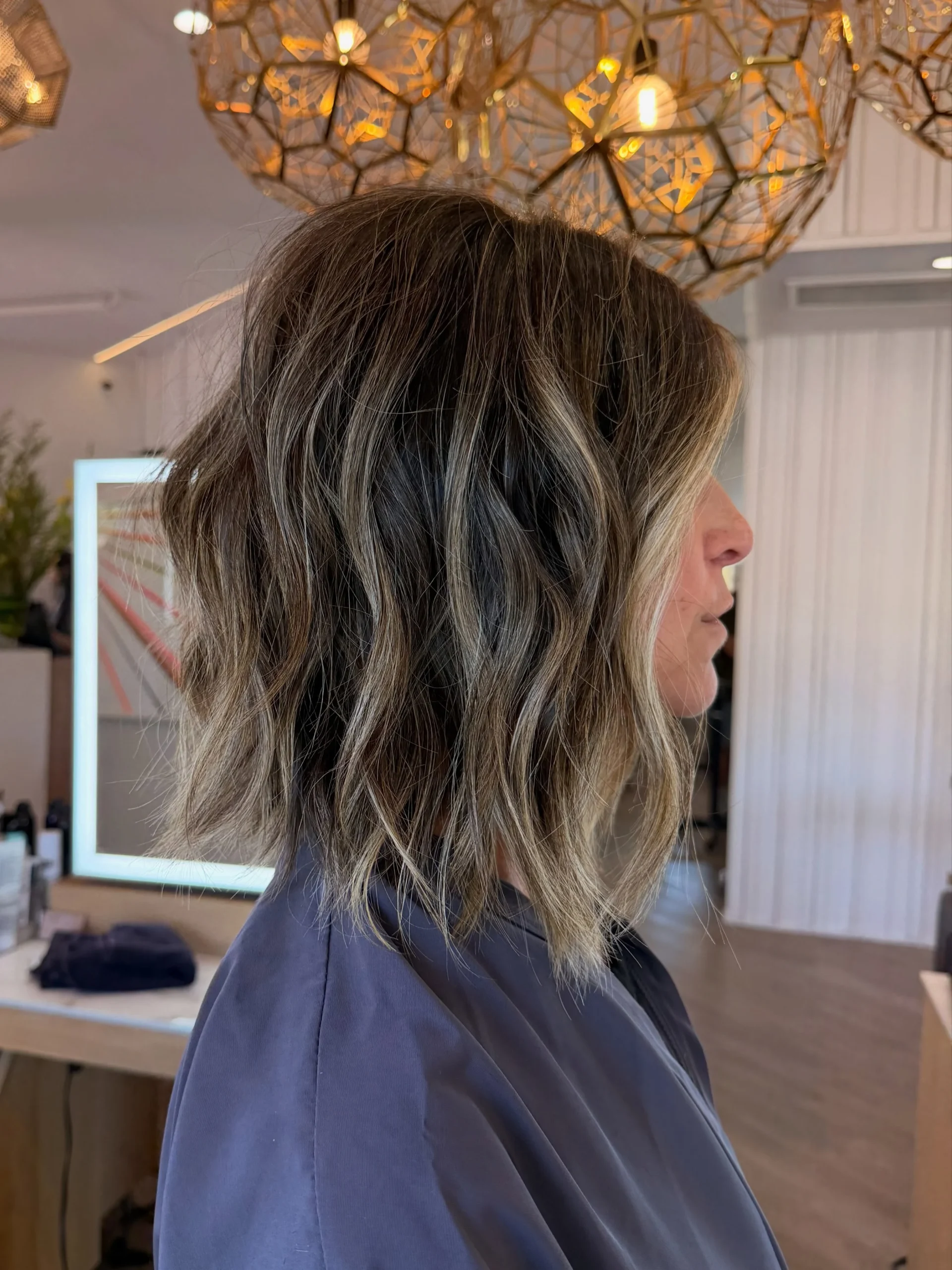
Credit: @carlosacastellanos
- Start with damp hair and work a golf-ball-sized amount of volumizing mousse through the roots.
- Rough dry upside down until the hair is about 80 percent dry.
- Wrap random sections around a medium barrel iron, leaving the last two centimeters straight.
- Shake the waves out with your fingers and finish with a light dry texturizing spray.
A lob that sits just above the shoulders gives fine hair a full outline without the weight that drags long hair down. The texture stops the cut from looking blunt or heavy, and the length still pulls back into a small ponytail. This suits most face shapes and needs only a ten-minute styling routine.
6. Curtain Bangs Layers
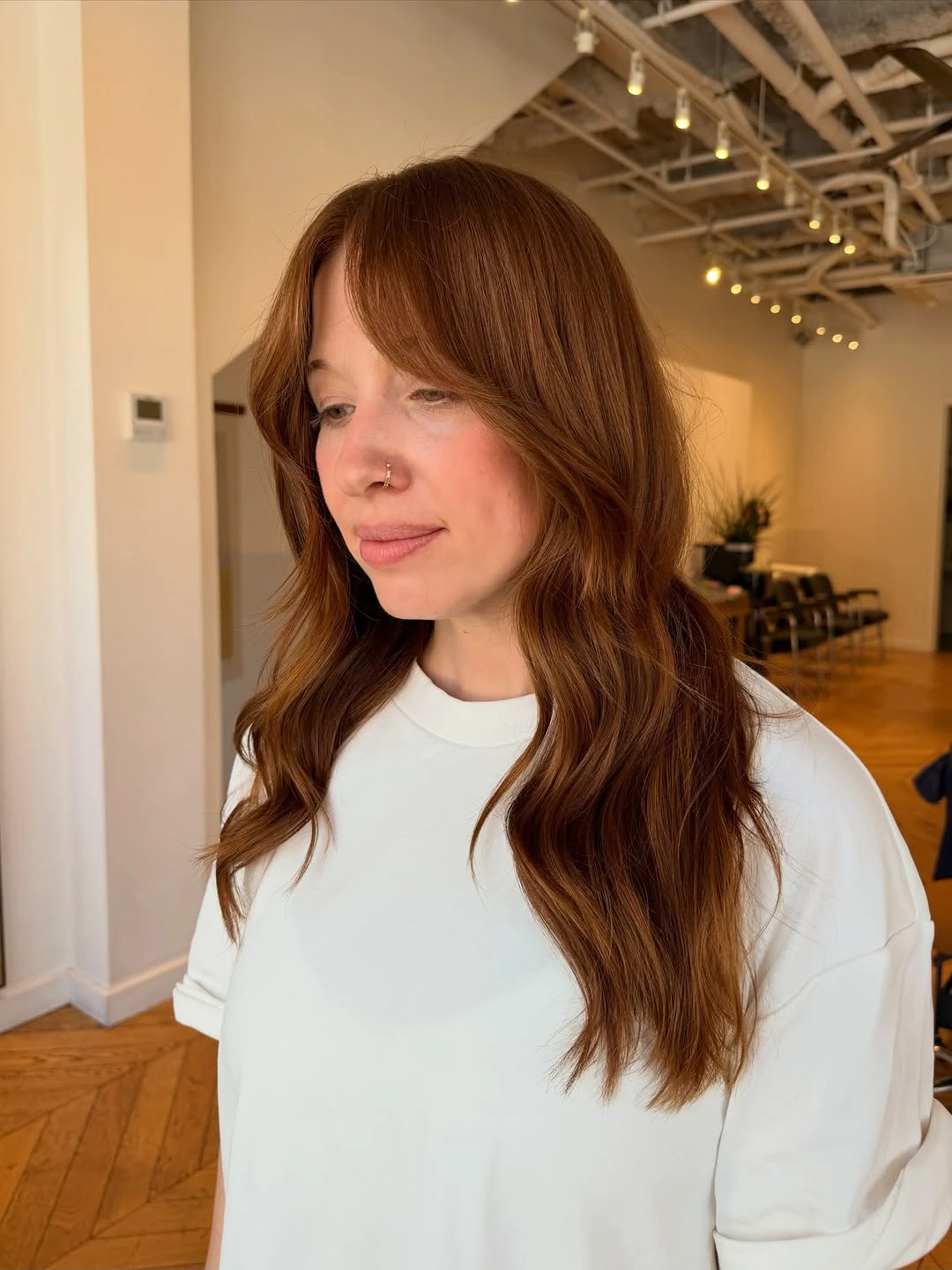
Credit: @mlzacutshair
| Feature | Curtain Bangs | Full Straight Bangs |
|---|---|---|
| Forehead coverage | Soft, parted in the middle | Complete, straight across |
| Grow-out | Graceful, blends into layers | Needs trims every 3 to 4 weeks |
| Volume effect | Lifts the front, opens the face | Can look heavy on fine hair |
| Best face shape | Round, square, heart | Oval, long |
Curtain bangs suit fine hair better than a heavy straight fringe because they add shape without a solid wall of hair. The parted front pieces frame the cheekbones and draw the eye outward, which makes the whole style look wider. They also blend into layers as they grow, so upkeep stays easy.
7. Voluminous Blowout Style
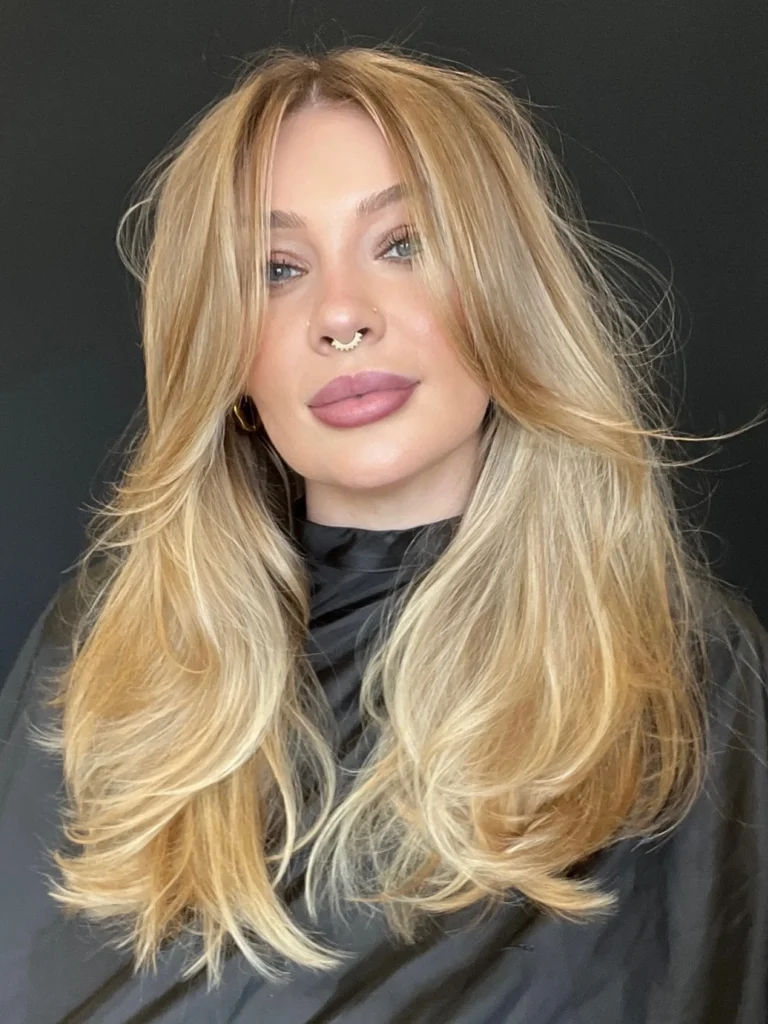
Credit: @tousledbeauty
DO:
- Use a round brush with a medium barrel for lift at the roots.
- Dry the crown sections upward and away from the face.
- Apply root-lifting spray only at the crown, not through the lengths.
- Let each section cool on the brush for ten seconds before releasing it.
DON’T:
- Load the lengths with heavy oils or serums before drying.
- Use the highest heat setting, which flattens fine hair.
- Brush the finished style flat with a paddle brush.
- Skip heat protection, since fine hair damages faster than thick hair.
The main principle is simple: volume comes from direction and cooling, not from piling on product. Drying hair upward sets a bend at the root that holds for hours, while cool air locks it in place. This routine works on any layered cut and lasts into the second day with dry shampoo.
8. Soft Shaggy Layers
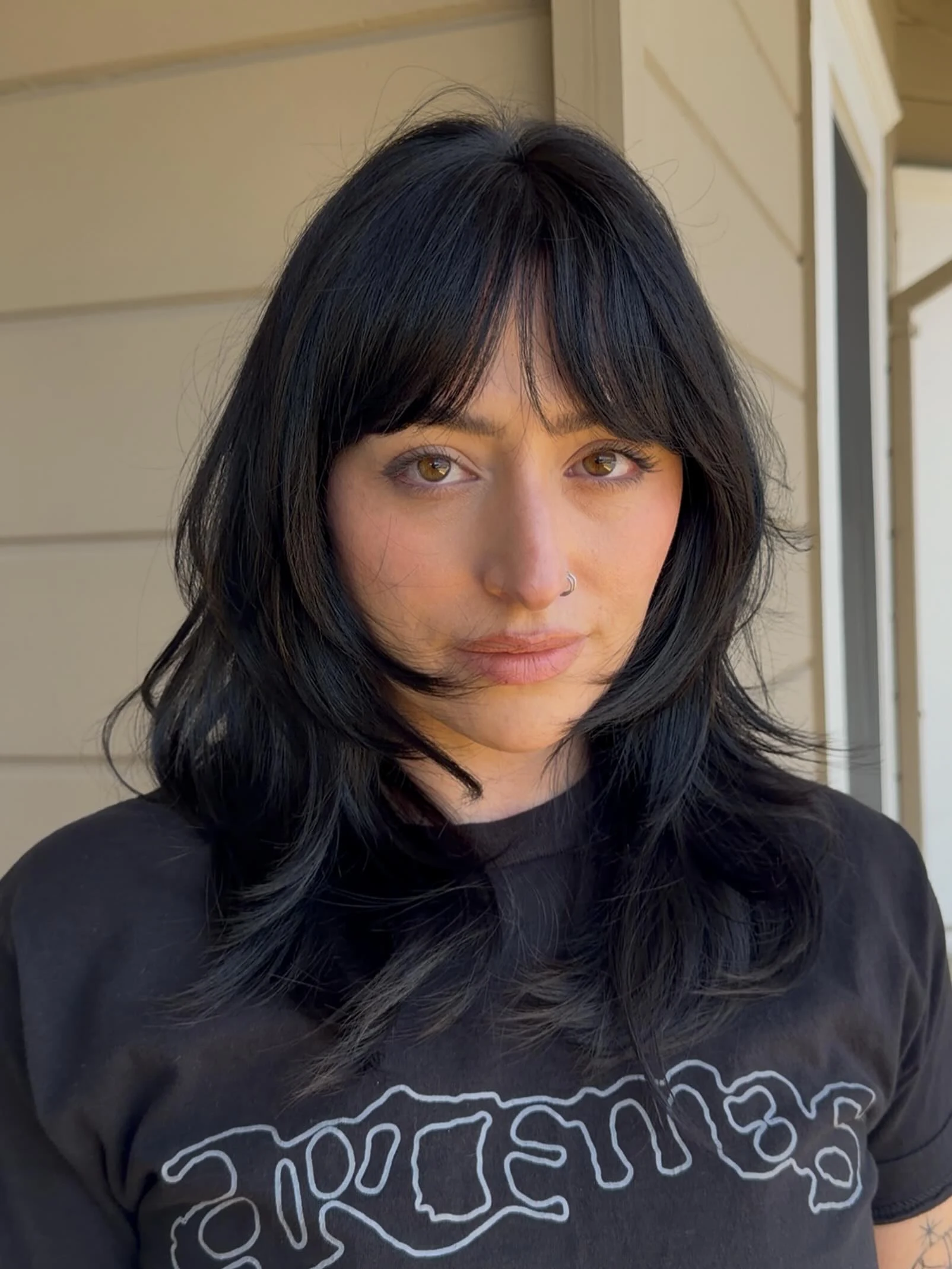
Credit: @chellsiedanielle
- Hair length: Chin to shoulder
- Hair type: Fine, wavy, or slightly textured
- Styling time: About 10 minutes
- Skill level: Easy, air dry friendly
- Result: Movement and fullness without bulk
Shorter layers through the crown and longer pieces around the face create a soft shag that moves when you do. The shape stops fine hair from hanging in one flat sheet, and the textured ends look intentionally piecey rather than thin. Air drying with a little salt spray gives the best lived-in finish.
9. Stacked Bob Cut
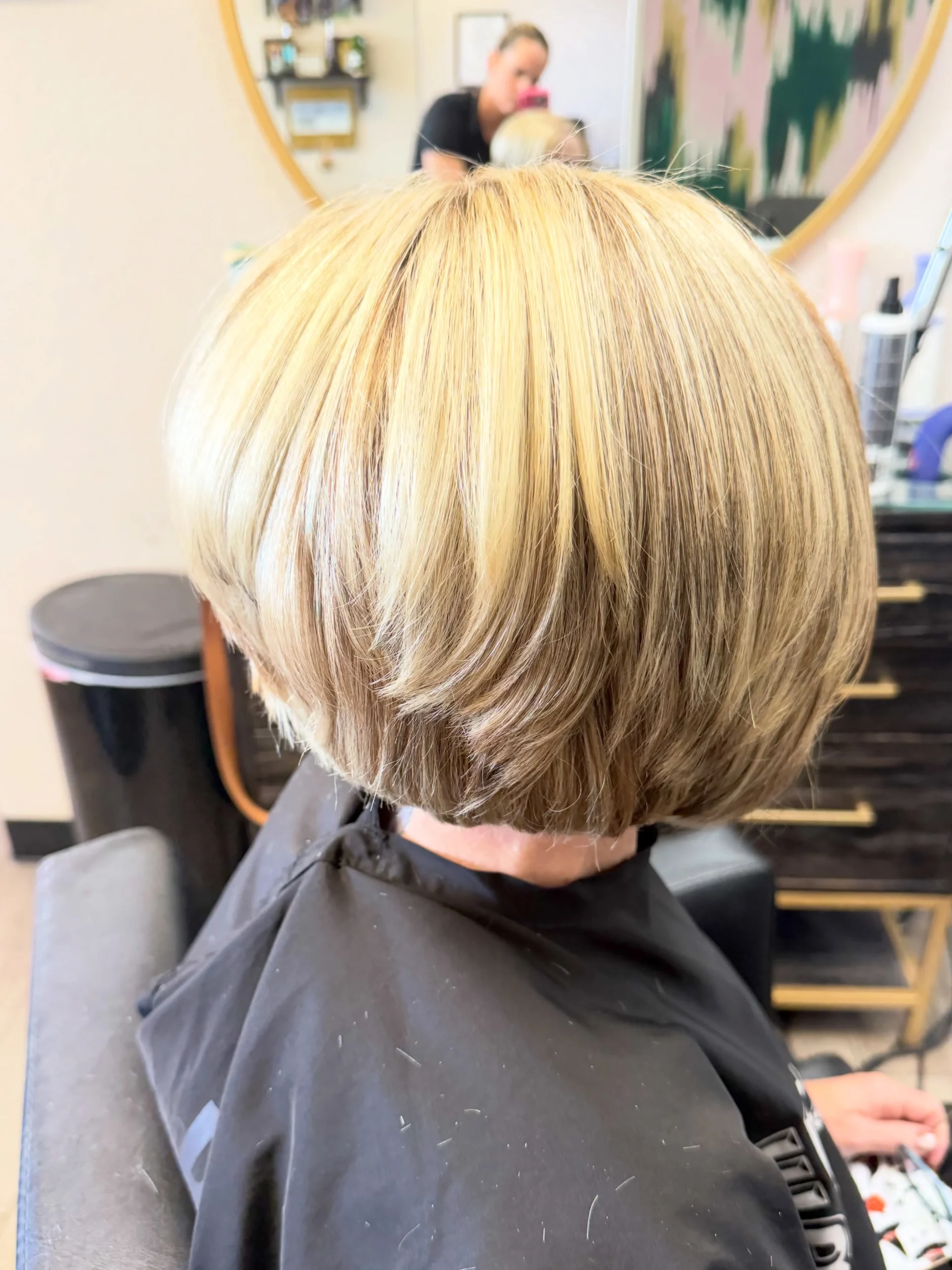
Credit: @styledbylauralick
Graduated layers stacked at the back build a rounded shape that makes the crown look full from behind. The front stays longer, grazing the jaw, so the cut keeps a modern outline instead of a dated wedge. This is one of the most reliable volume cuts for straight fine hair.
It suits round and square faces especially well, since the height at the back balances width at the cheeks. Ask for stacked layers only at the nape, not through the whole head, or the shape turns bulky. A small round brush smooths the back in minutes.
10. Deep Side Part
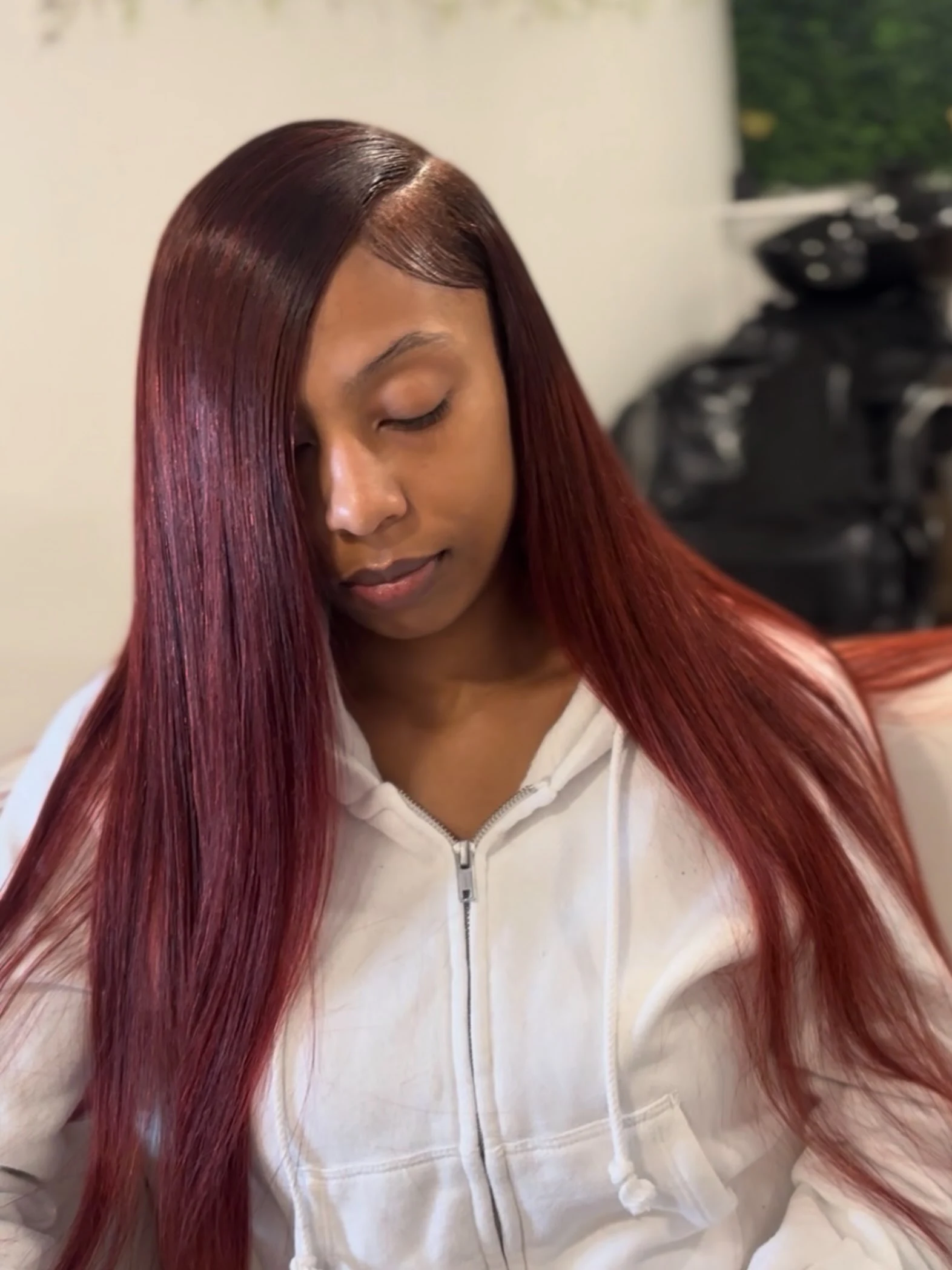
Credit: @ygstyledyou
- Length: Any, from pixie to long
- Texture: Straight to wavy
- Face shape: Round, heart, and oval
- Volume trick: Flipping the part adds instant root lift
- Tools: Fine-tooth comb, light hairspray
Moving the part two or three centimeters off center forces the hair to fall against its natural direction, which lifts the roots on the heavier side. The result is immediate fullness with no cutting and no product build-up. It works as a daily trick on any cut, and it also hides a widening part, which many women over 40 prefer.
11. Root-Lifted Curls
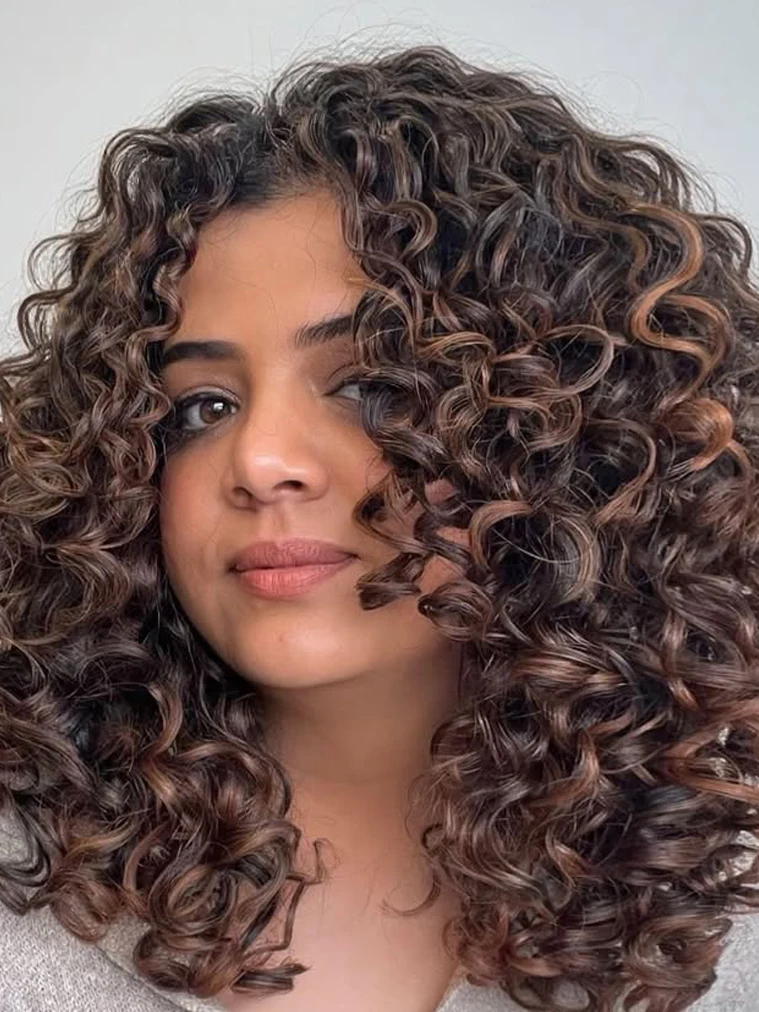
Credit: @schwarzkopfpro.lebanon
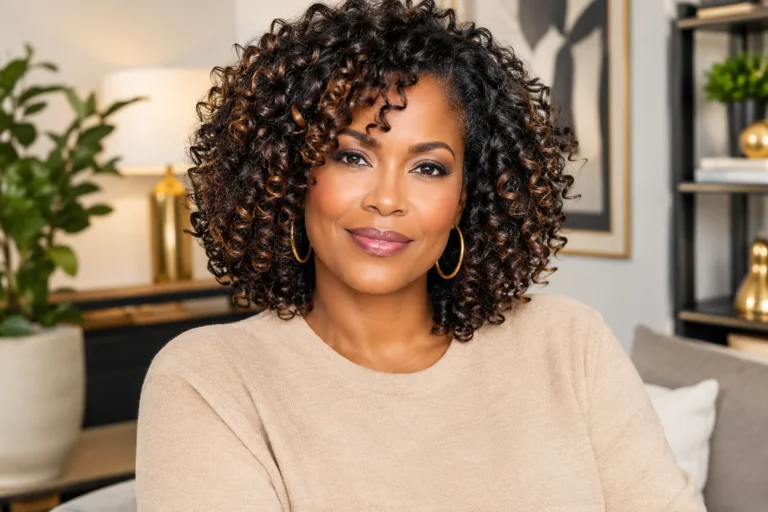
Quick Tip: Curl fine hair in small sections, away from the face, and let every curl cool completely before touching it. Cool curls hold their shape for hours, while curls brushed out hot fall flat within minutes. A light mist of flexible-hold spray before curling beats a heavy spray afterward.
The finished look has soft, separated curls with visible lift at the roots rather than tight ringlets. This suits shoulder-length hair best, since very long fine hair pulls curls out under its own weight. Sleep on a silk pillowcase to keep the second-day shape.
For updo tricks that add fullness to fine hair, see these ponytail hairstyles for women over 40.
12. Choppy Ends Bob
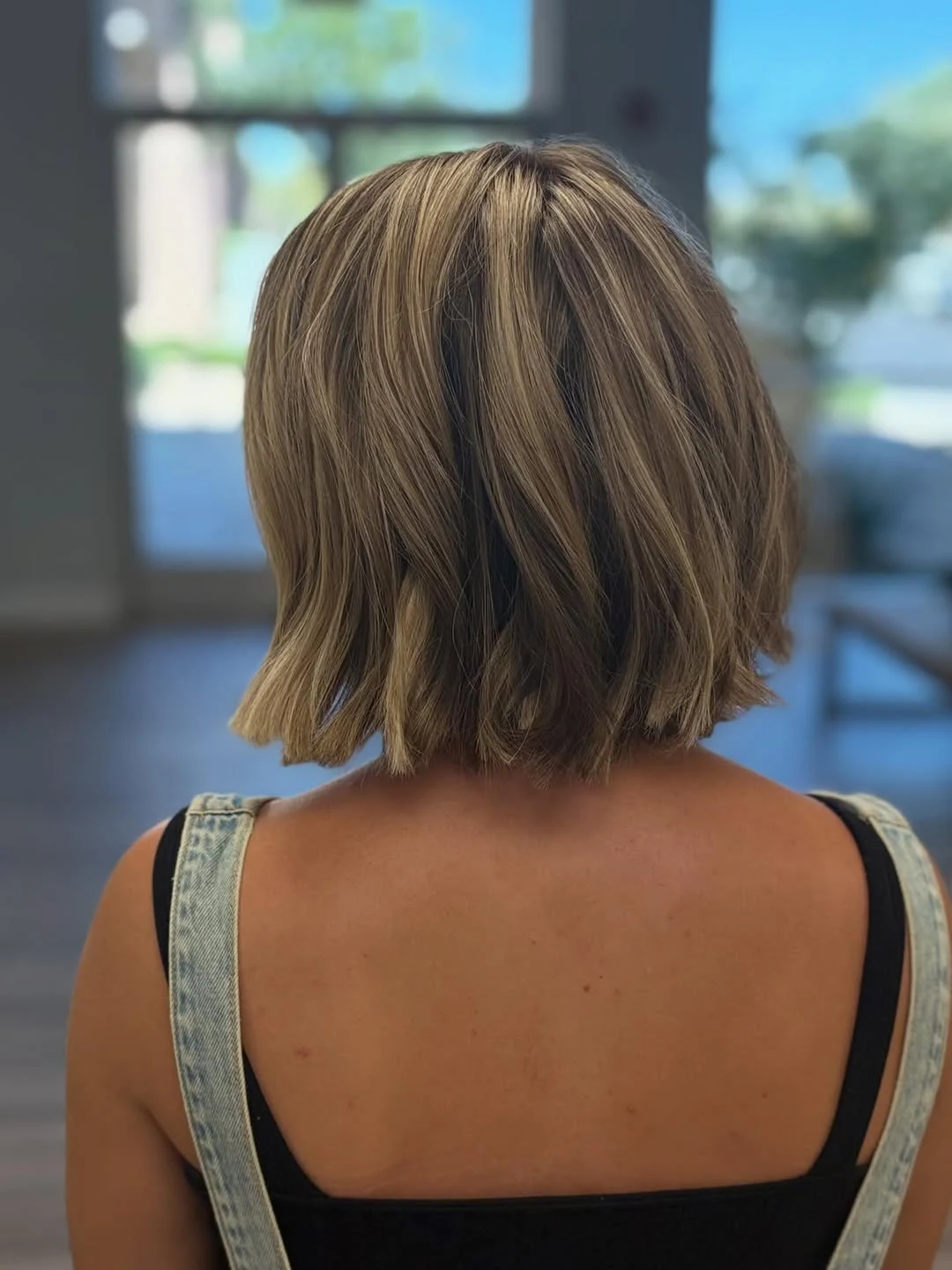
Credit: @fiftyshades_ofshay
BEFORE: A one-length bob with perfectly even ends showed every thin spot, and the straight hemline made fine hair look like a single flat curtain with no life in it.
AFTER: Lightly point-cut ends break the hemline into soft, uneven pieces that catch light differently, so the bob looks textured and full instead of flat and sparse.
Keep the choppiness subtle, just at the last centimeter, or the cut loses its density. This suits straight hair best and needs a trim every six weeks to keep the texture intentional rather than ragged.
13. Tousled Beach Waves
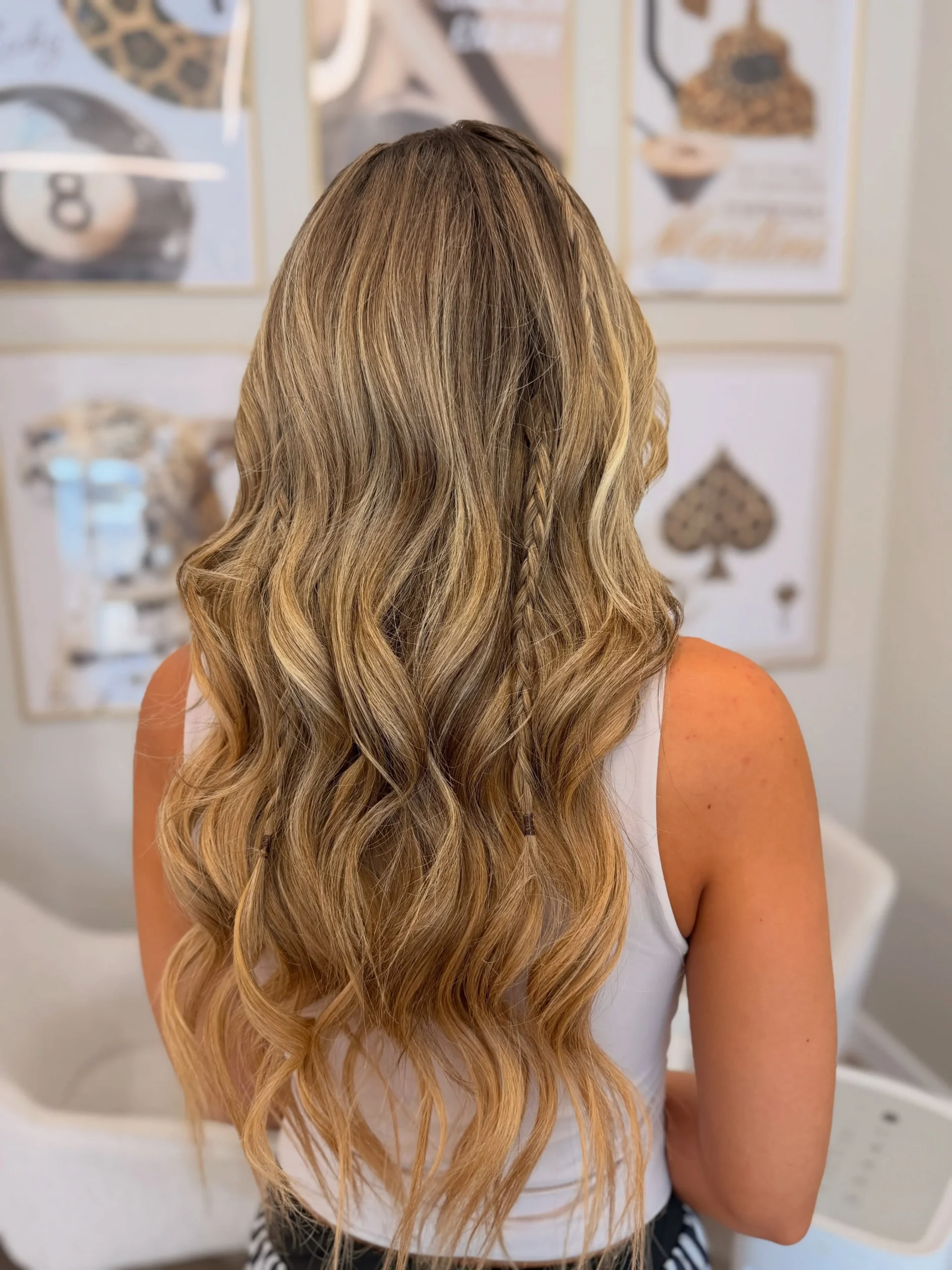
Credit: @hairbysophie.t_x
- Mist damp hair with sea salt spray from mid-length to ends, keeping it off the roots.
- Twist four or five large sections away from the face and let them air dry, or diffuse on low heat.
- Shake the twists out gently with your fingers, never with a brush.
- Pinch a little texturizing paste into the ends for separation.
Beach waves give fine hair a casual fullness that looks thicker in photos and in person, since the bends create shadows and width. The style suits weekend wear and holidays best, and it hides the gap between wash days well. Keep the waves loose, since tight waves shrink fine hair shorter.
14. Asymmetrical Bob Cut
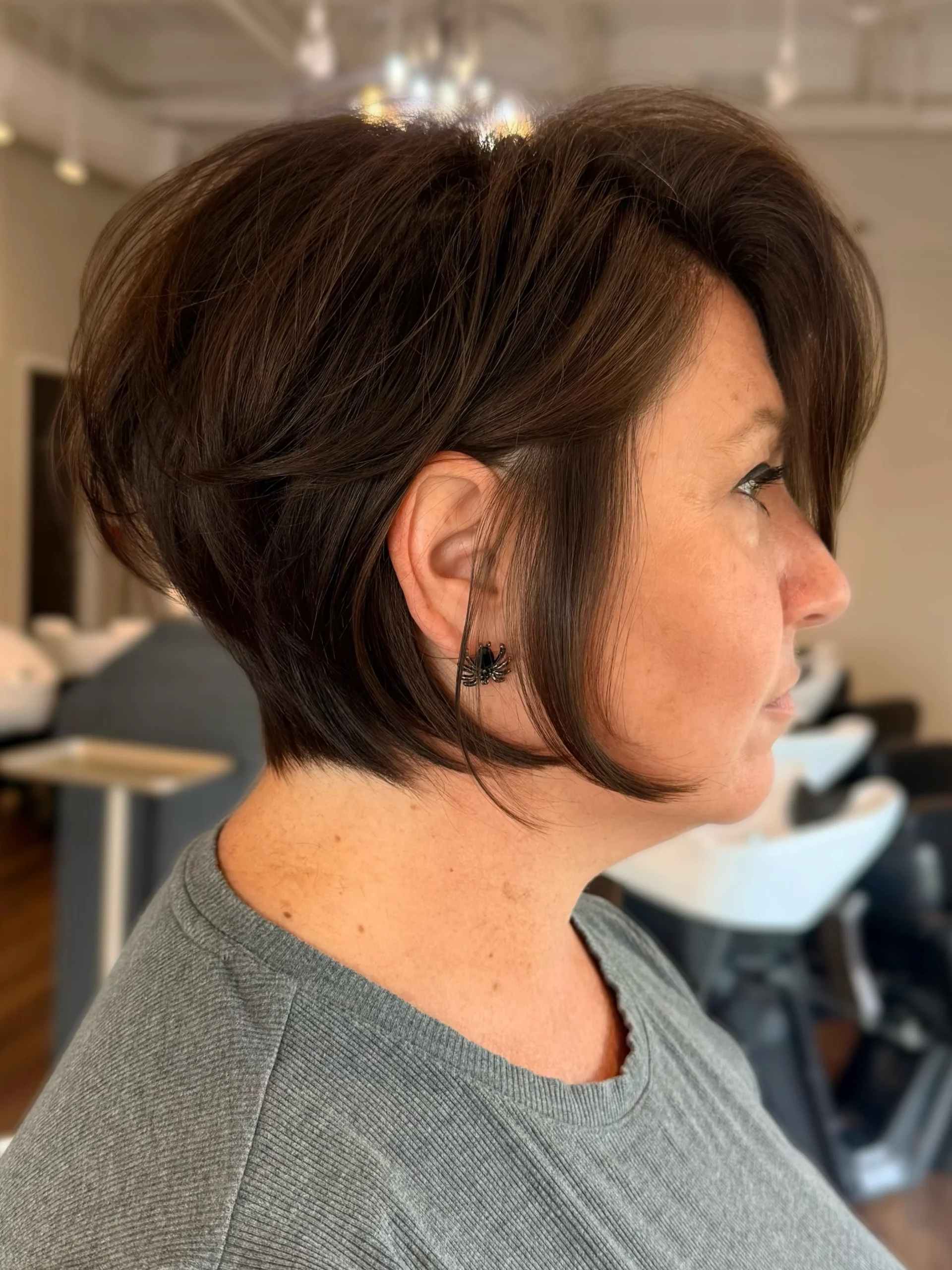
Credit: @jamiemcdhair
| Feature | Asymmetrical Bob | Classic Even Bob |
|---|---|---|
| Length | One side longer, usually by 3 to 5 cm | Same length both sides |
| Volume effect | Diagonal line draws the eye, adds width | Clean line, adds density |
| Styling effort | Low, the cut does the work | Low to medium |
| Best for | Women wanting an edgy detail | Women wanting a timeless shape |
An asymmetrical line gives fine hair a fashion-forward detail that distracts from thinness entirely. The longer side frames one side of the face while the shorter side shows the neck, which creates contrast and movement. It suits straight hair best, since waves soften the sharp line.
15. Half-Up Volume Twist
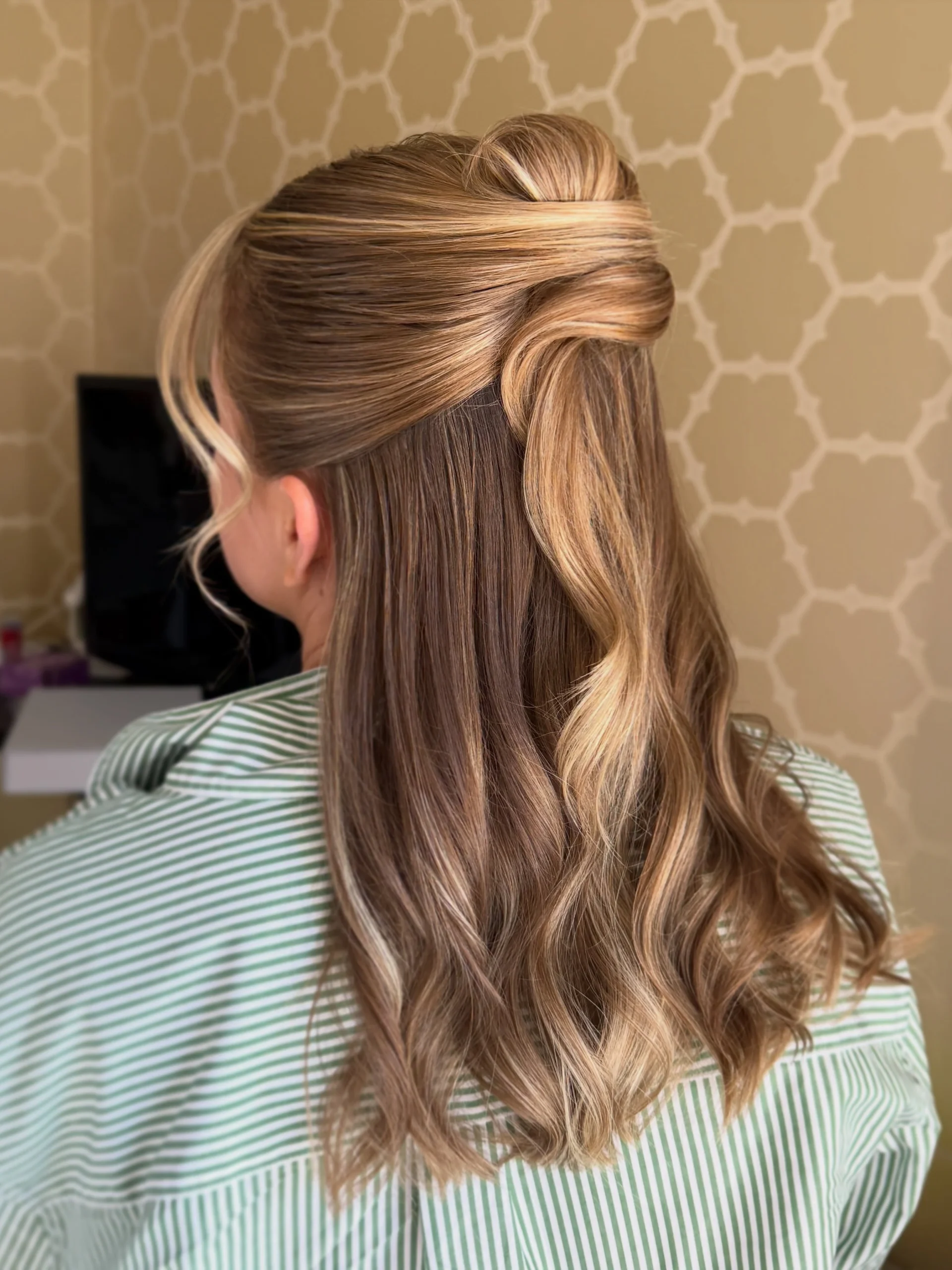
Credit: @hairbycassjordan
DO:
- Tease the crown lightly with a fine comb before twisting.
- Secure the twist with two crossed pins, not a tight elastic.
- Pull a few face-framing pieces loose for softness.
- Mist the finished twist with flexible spray.
DON’T:
- Pull the top section too tight, which flattens the crown.
- Use heavy wax, which drags fine hair down.
- Skip the crown teasing, since the twist alone adds no height.
- Gather more than the top third, or the style turns into a full ponytail.
The principle is height first, twist second. A small cushion of teased hair at the crown makes the twist sit proud of the head, so the whole style reads as voluminous. It takes five minutes, suits second-day hair, and works for lunches, weddings, and workdays alike.
16. Layered Shoulder Cut
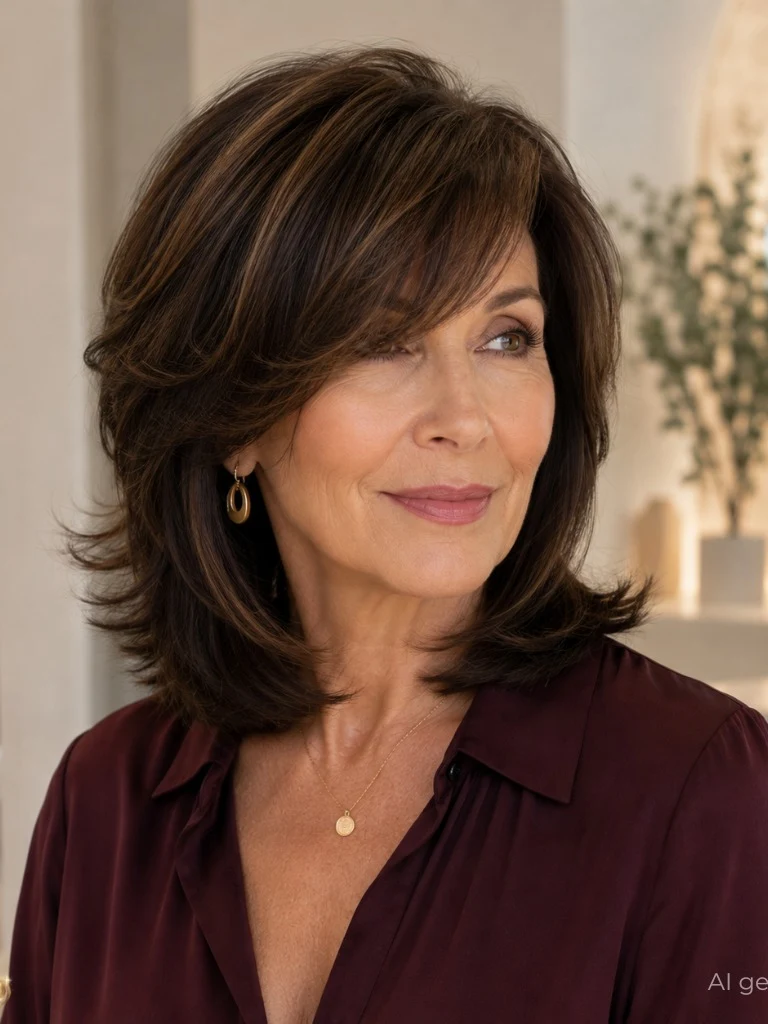
Credit: @tunsorilamoda
- Hair length: Shoulder, with long layers
- Hair type: Fine to medium, straight or wavy
- Face shape: Oval, long, heart
- Maintenance: Trim every 7 to 8 weeks
- Best occasion: Everyday, office, dinners
Long layers starting below the chin keep the ends from looking stringy while the shape stays easy to manage. The shoulder length is long enough to tie back but short enough to hold a blowout. This is the safest all-rounder for women who are unsure about going short.
17. French Bob Style
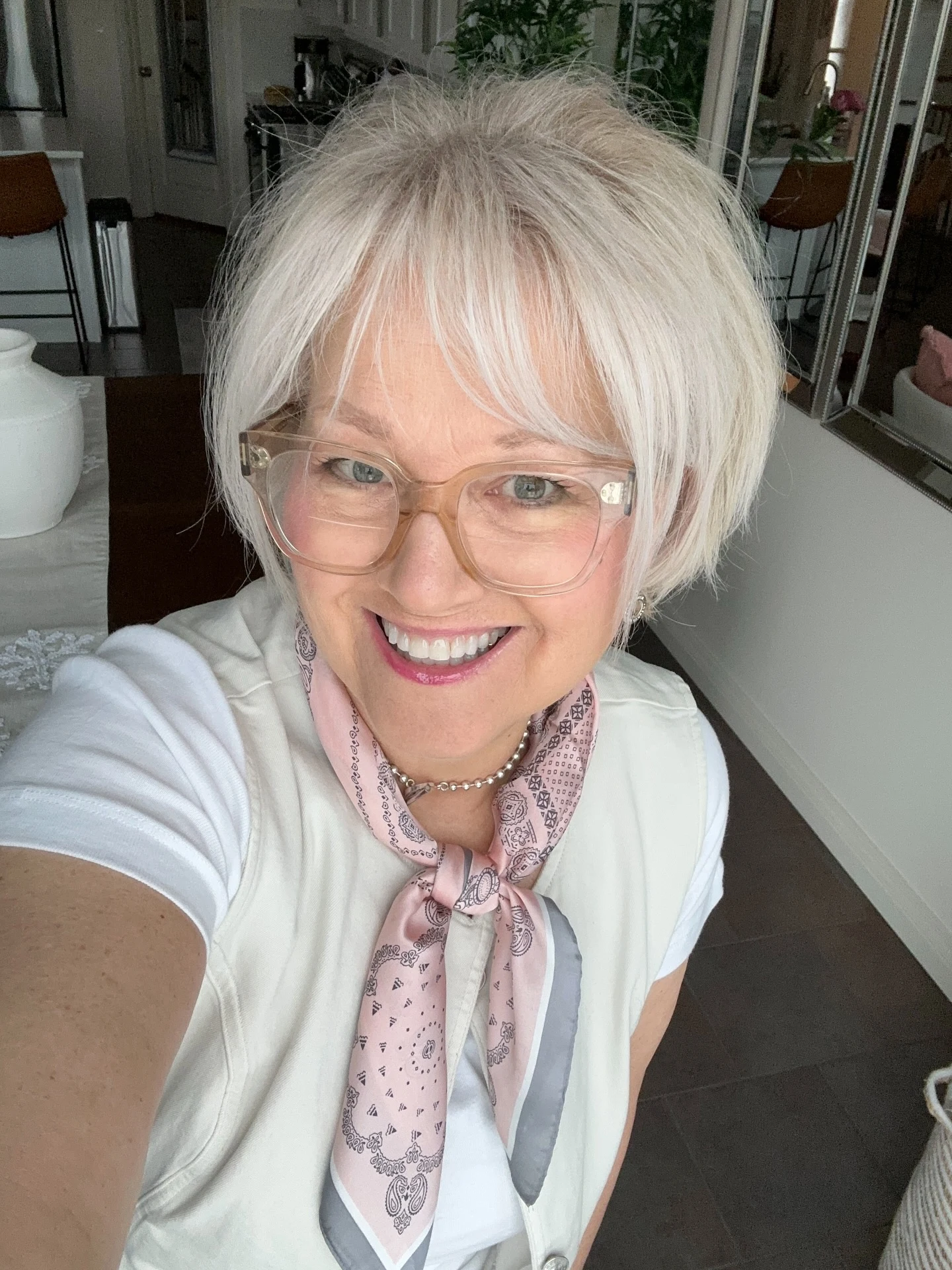
Credit: @veronicakstyle
A French bob ends at the cheekbones or just below the ears, with a soft, slightly curved outline. The short length removes the weight that pulls fine hair flat, and the curved shape wraps the face in a way that looks full from the front. A wispy fringe finishes the Parisian feel.
This cut suits petite faces and women who like a bold, low-maintenance shape. It needs a trim every five weeks to hold the curve, and it air dries well with a little mousse. Pair it with simple earrings, since the short length shows them off.
18. Voluminous Ponytail Trick
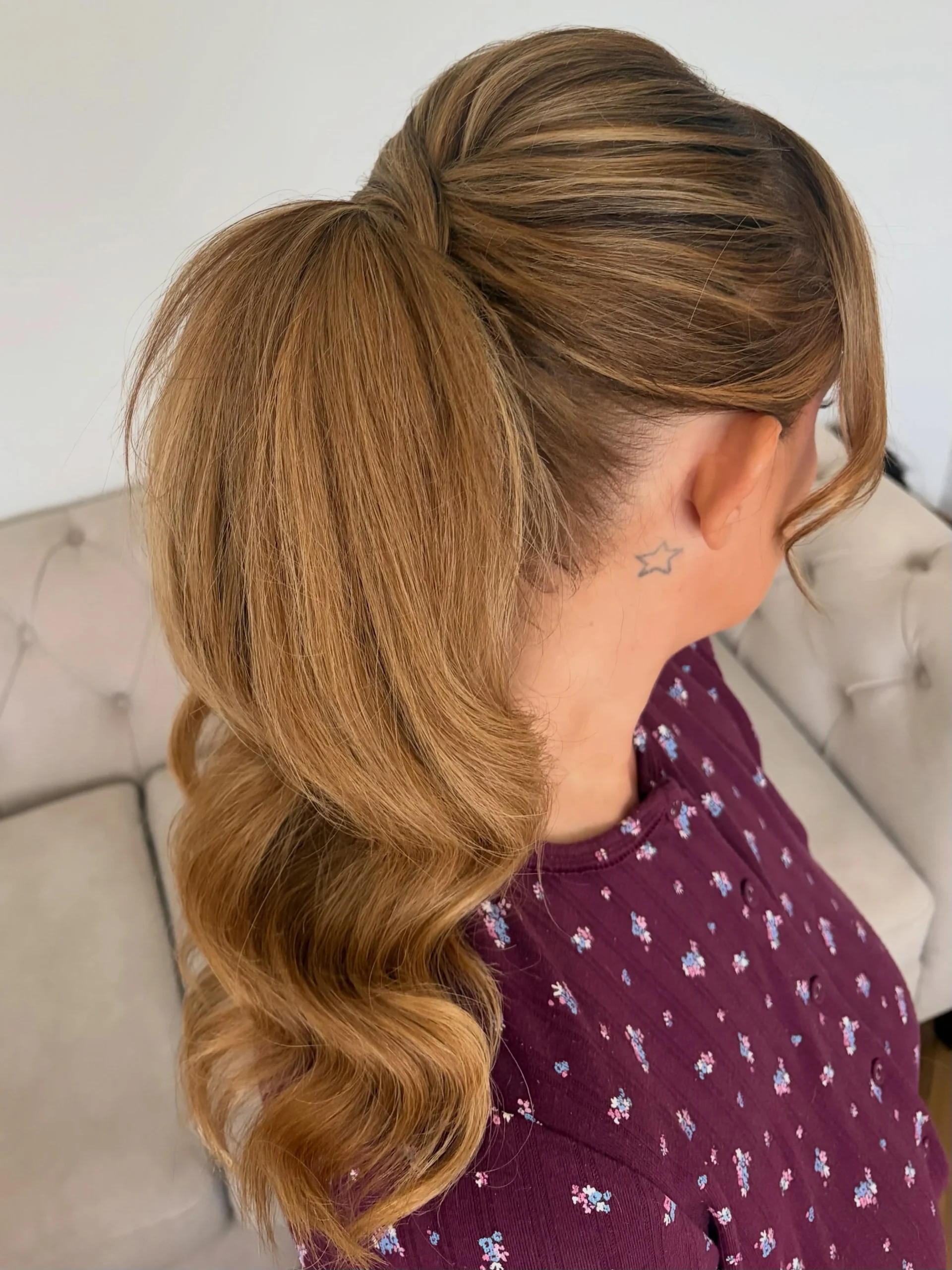
Credit: @sghairmaison
- Length: Shoulder or longer
- Texture: Fine, straight to wavy
- Volume trick: Double ponytail or hidden clip
- Tools: Two elastics, small claw clip, teasing comb
- Result: A ponytail that looks twice as thick
The double ponytail method stacks one ponytail above another so the top one hides the join and the tail looks full from every angle. Teasing the crown before gathering adds height that a single tight ponytail never gives. This suits gym days, workdays, and evenings out, and it takes less than five minutes.
19. Soft Perm Waves
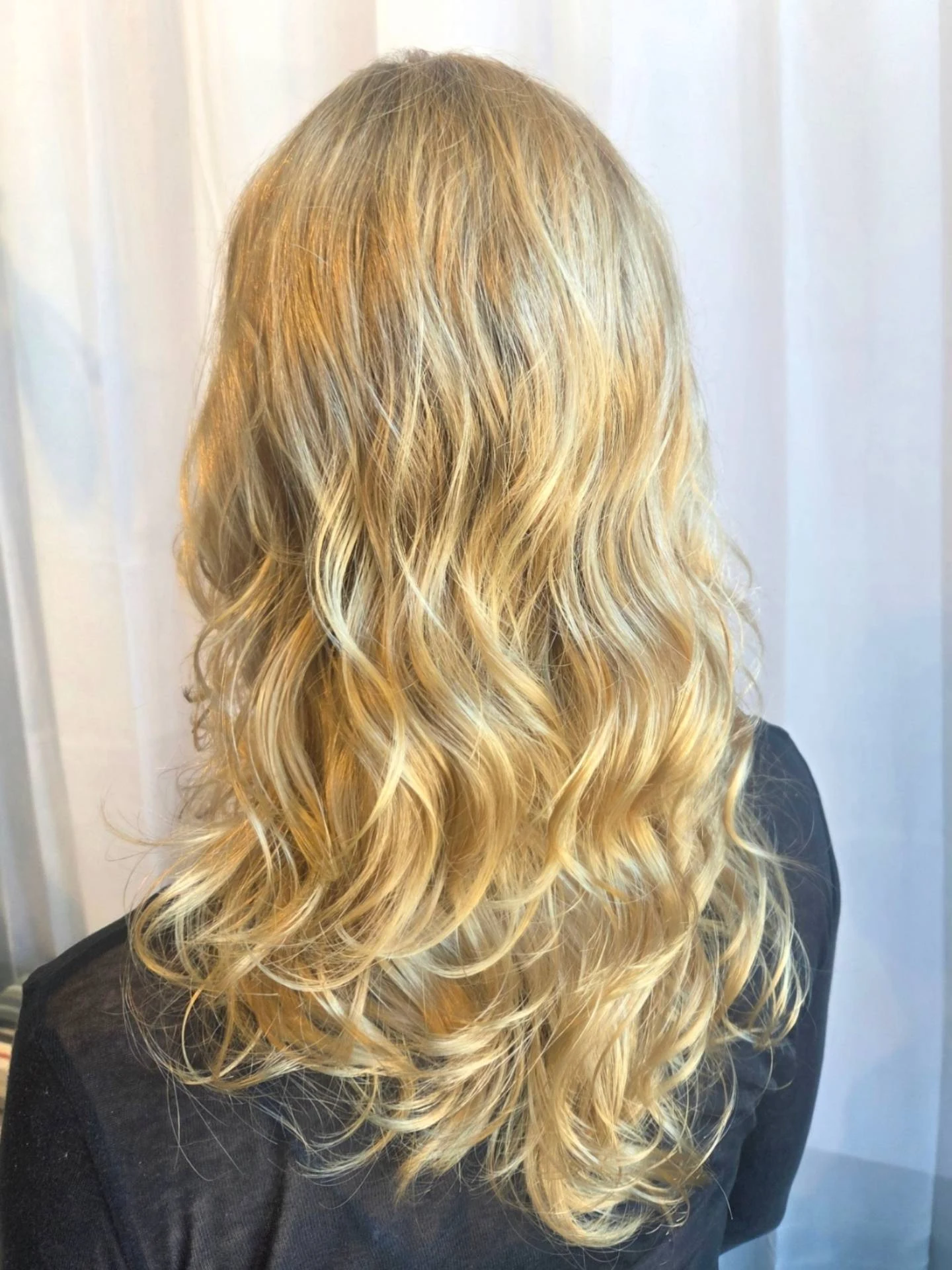
Credit: @stylist_yej1
Quick Tip: Ask for a modern soft perm with large rods, not the tight perms of the past. Large rods create loose, touchable waves that add body for months, while small rods make frizz that fine hair cannot support. A bond-building treatment during the perm keeps the texture healthy.
The result is wash-and-go volume that survives humidity better than a blowout. This suits women who want lasting body without daily heat styling. Expect the wave to soften over three to four months, and trim the ends regularly so the shape stays fresh.
20. Face-Framing Layers
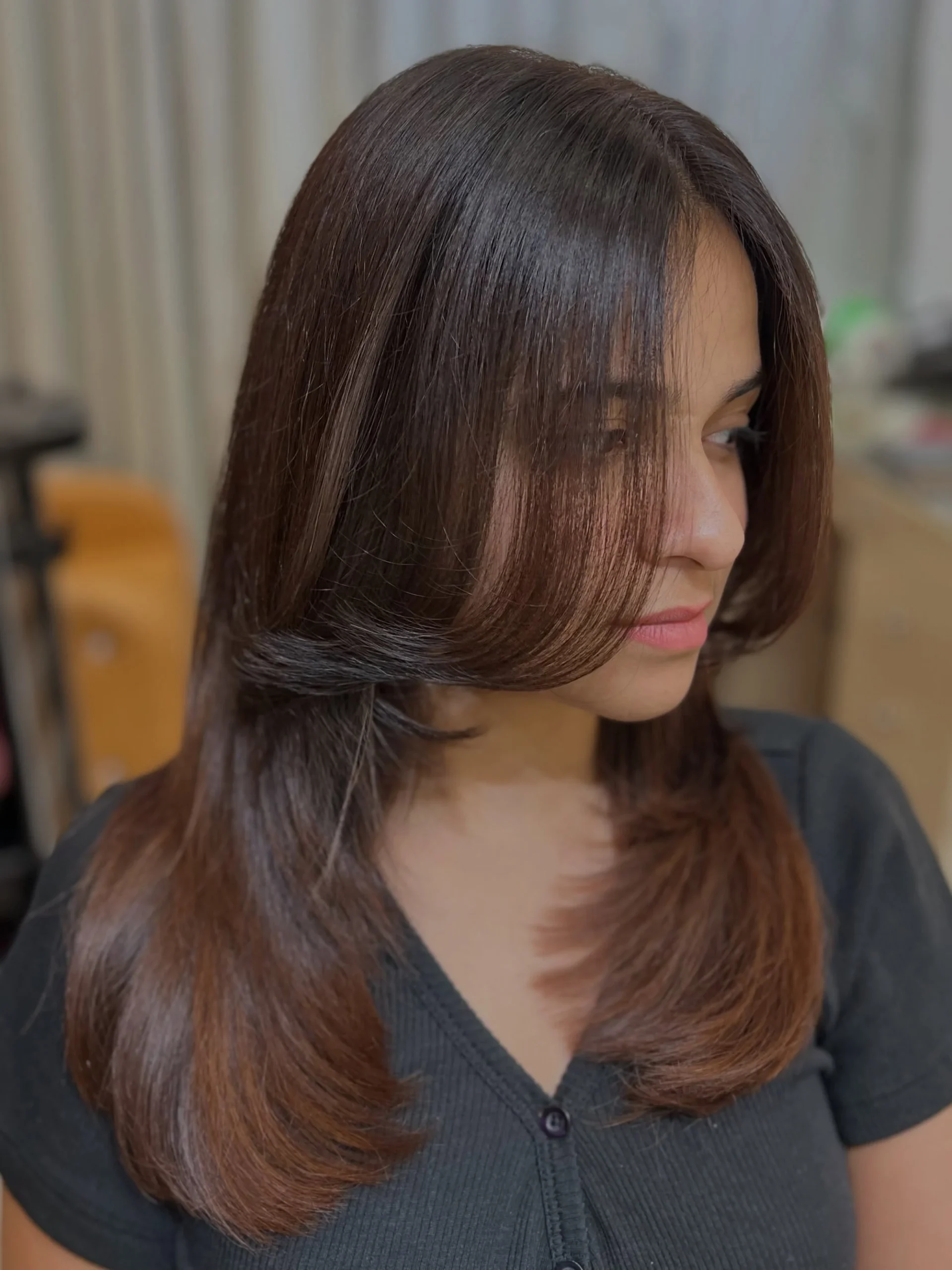
Credit: @revive_byoshin
BEFORE: Hair all one length framed the face with a heavy curtain that hid the cheekbones and made fine hair look thinner, since nothing broke up the flat fall around the face.
AFTER: Shorter pieces starting at the cheekbones open the face, add movement with every turn of the head, and make the rest of the hair look thicker by contrast.
Keep the shortest layer no higher than the cheekbone, or the pieces flip outward awkwardly. This suits every length from bob to long hair, and it grows out into the next cut without an awkward stage.
21. Low Messy Bun
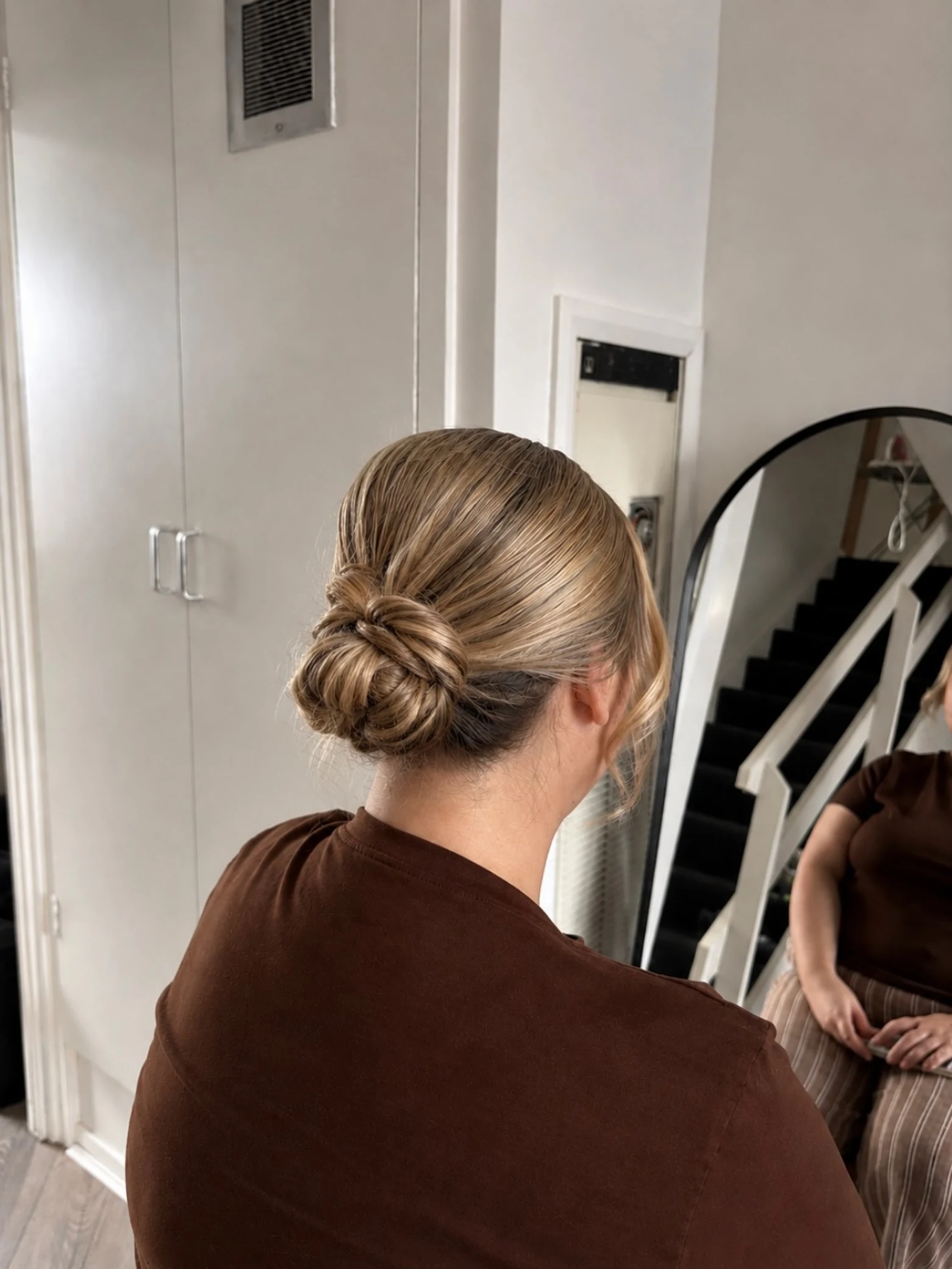
Credit: @styledbyelsax
- Gather the hair loosely at the nape without brushing it smooth.
- Twist it gently and wrap it into a soft bun, leaving the ends slightly loose.
- Secure with pins rather than a tight elastic.
- Pull a few strands free around the face and mist with texturizing spray.
A loose low bun suits fine hair better than a tight sleek one, since the softness and pulled-out pieces create width that a scraped-back bun removes. It works for weddings, dinners, and days when washing is not on the agenda. A little dry shampoo at the roots beforehand adds grip.
22. Wispy Bangs Style
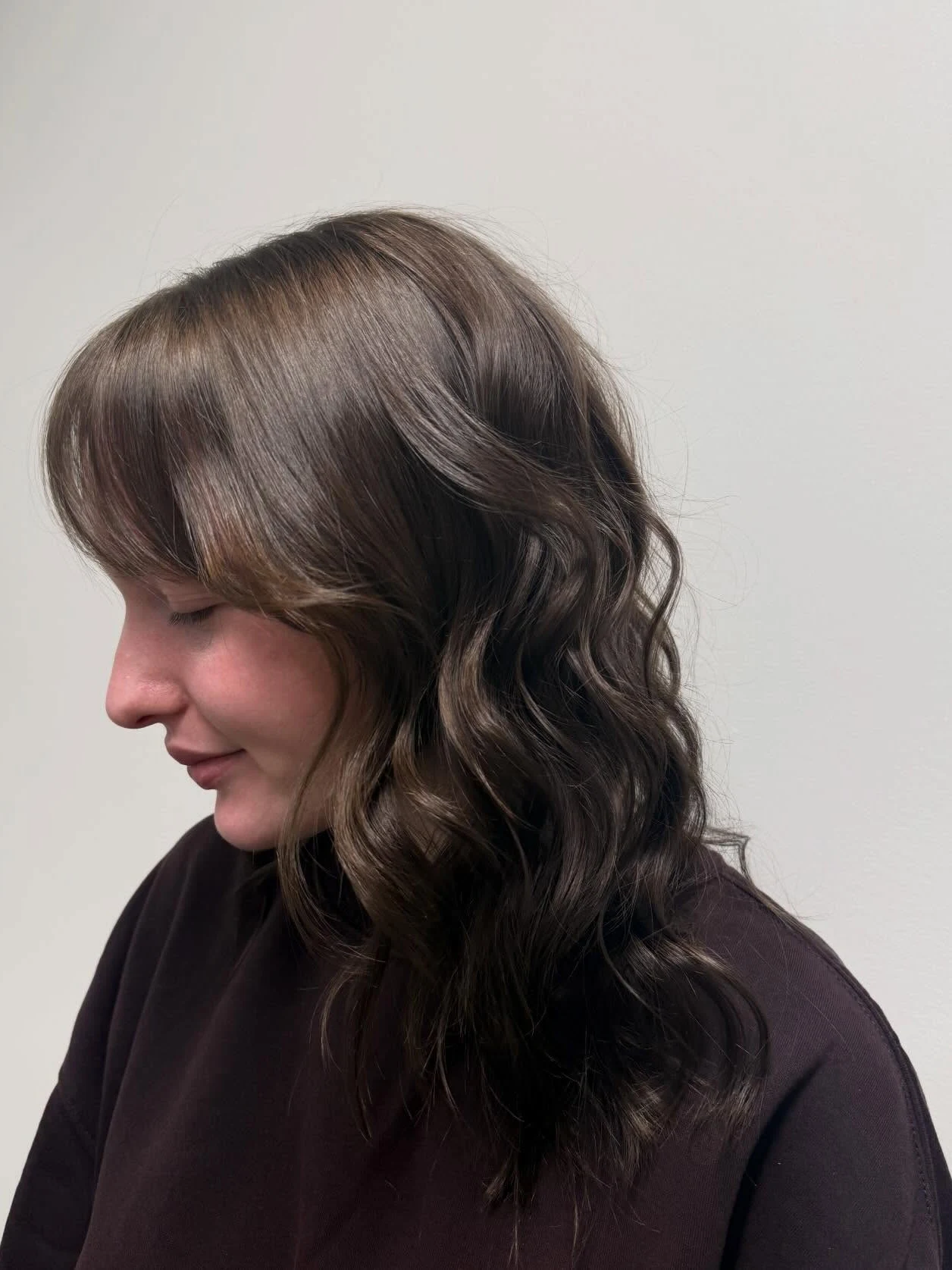
Credit: @styledbyjamiee
| Feature | Wispy Bangs | Blunt Bangs |
|---|---|---|
| Density | Light, feathered, see-through at ends | Solid, heavy line |
| Forehead coverage | Partial, soft | Full |
| Upkeep | Trim every 6 to 8 weeks | Trim every 3 to 4 weeks |
| Best for fine hair | Yes, adds shape without weight | Risky, can look sparse |
Wispy bangs give fine hair a fringe without spending much density on it. The feathered ends soften the forehead and blend into the rest of the cut, so the style never looks like a heavy block. They suit round and oval faces best and pair well with bobs and lobs.
23. Blunt Bangs Bob
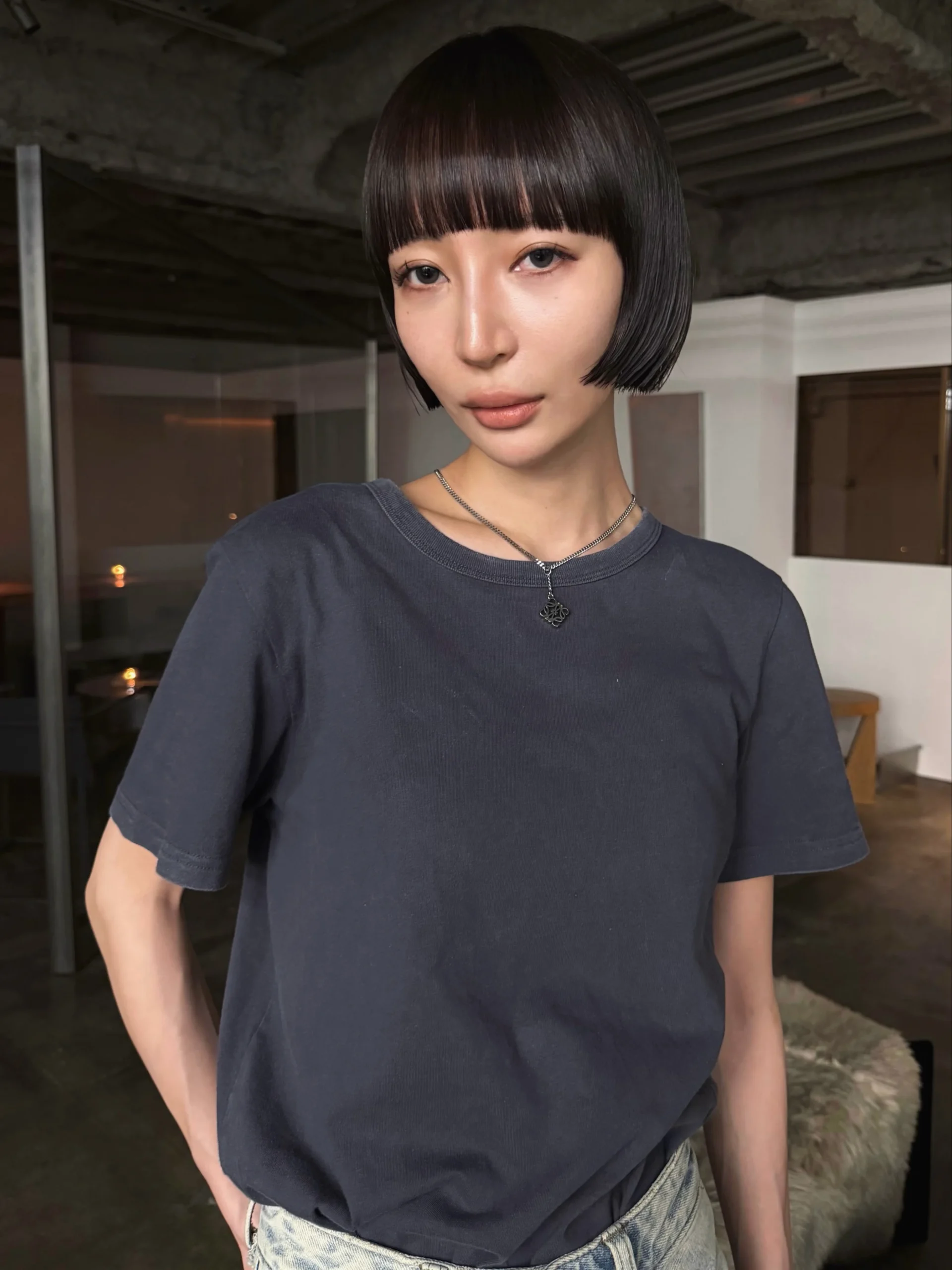
Credit: @tomoyo____hara
DO:
- Keep the fringe just above the eyebrows for a strong frame.
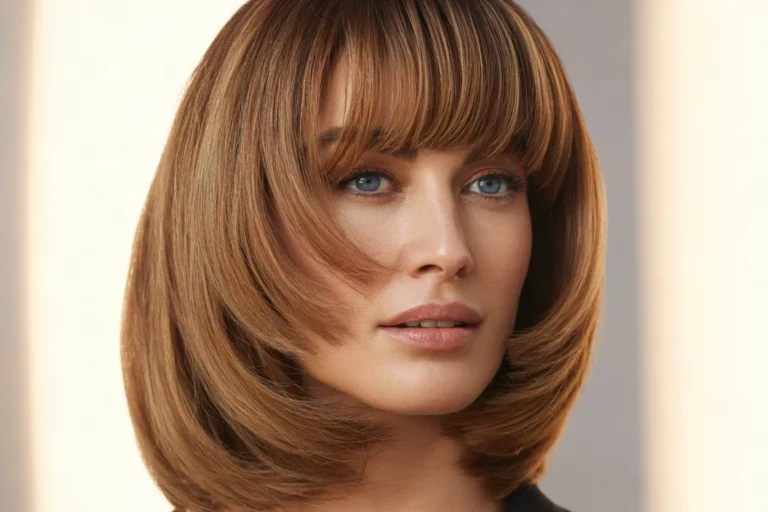
- Cut the bob blunt at the jaw for maximum density.
- Use a mini flat iron on the fringe only for a crisp edge.
- Trim the fringe between full haircuts to hold the line.
DON’T:
- Thin the fringe out, since sparse bangs show the scalp.
- Pair blunt bangs with heavy layers, which fight the clean shape.
- Use sticky pomade on the fringe, which separates it into strings.
- Let the fringe grow past the lashes, where it falls flat and hides the eyes.
The principle is density through clean lines: one strong fringe plus one strong perimeter makes fine hair look like much more hair than it is. This bold pairing suits confident dressers and straight hair best, and it photographs beautifully.
Thin Hair Styling Tips That Add Real Volume
These volume tricks work across most hairstyles for thin hair for women over 40, whatever length you choose. Wash with a volumizing shampoo and skip heavy conditioners on the roots, since weight at the scalp is the enemy of lift. Dry the roots first and upward before touching the lengths, and let each section cool before moving on.
A few habits matter as much as the cut: trim every six to eight weeks so ends never turn see-through, avoid daily high heat, and sleep on a silk pillowcase to cut breakage.
For color, ask about subtle dimension rather than one flat shade, since two close tones create depth that reads as thickness. Root touch-up powder between salon visits also hides a widening part in seconds.
Conclusion
These 23 hairstyles for thin hair for women over 40 share one principle: fullness starts with the cut, and styling only supports what the shape already gives. A blunt perimeter, well-placed layers, or a fringe that covers a sparse hairline can change how dense your hair looks every single day.
Pick the idea that fits your length comfort and your morning routine, then give it two or three washes before judging it. Save this guide on Pinterest so you can show your stylist the exact shape you want, and share it with a friend whose fine hair deserves the same lift.
FAQs
1. What is the best haircut for very thin hair?
A blunt bob or lob usually wins, since one strong perimeter line makes ends look dense. Short to medium lengths also help, because long fine hair gets pulled flat by its own weight. Layers should stay long and few, not short and many.
2. Do layers help or hurt thin hair?
Long, well-placed layers help by adding movement and shape. Short, choppy layers through the whole head hurt, since they remove weight where fine hair needs it most. Ask your stylist for invisible or long layers that keep the ends full.
3. How can I add volume without heat every day?
Dry shampoo at the roots, a deep side part, and sleeping with a loose topknot all add lift without heat. Root-lifting mousse applied to damp roots and air drying upside down also works. Avoid heavy oils and thick creams on the scalp.
4. How often should thin hair be trimmed?
Every six to eight weeks keeps ends from turning see-through and holds the shape of bobs and fringes. Pixie cuts need trims every four to five weeks. Skipping trims makes fine hair look thinner, not longer.
5. Does hair color make thin hair look thicker?
Yes, subtle dimension helps a lot. Two close tones, like a base shade with fine highlights a shade or two lighter, create depth that reads as thickness. Avoid one flat dark shade, which can show the scalp more, and avoid harsh bleach, which weakens fine hair.