21 Stunning Blonde Hairstyles for Women Over 40
Blonde hairstyles for women over 40 offer plenty of ways to refresh your look, whether you prefer a polished bob, a relaxed shoulder-length cut, or long hair with soft, flowing layers. The right combination of haircut, blonde shade, and styling can complement your features while working with your natural hair texture and daily routine.
From warm honey blonde and golden balayage to cool platinum and sophisticated ash blonde, there are colors to suit different complexions and personal styles. Some haircuts create the appearance of fuller hair, while others remove excess bulk or bring attention to the cheekbones and jawline.
In this guide, you will find 21 wearable blonde hairstyle ideas, along with practical styling advice to help you choose a flattering length, manage your color, and find a look that feels comfortable and current.
1. Shoulder-Length Blonde Bob
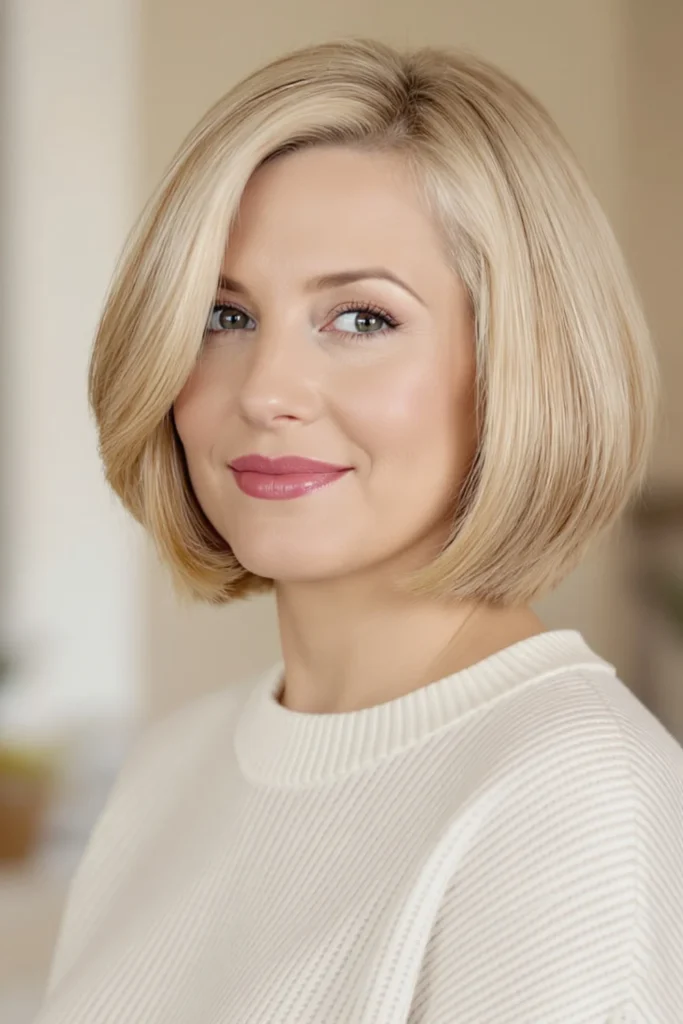
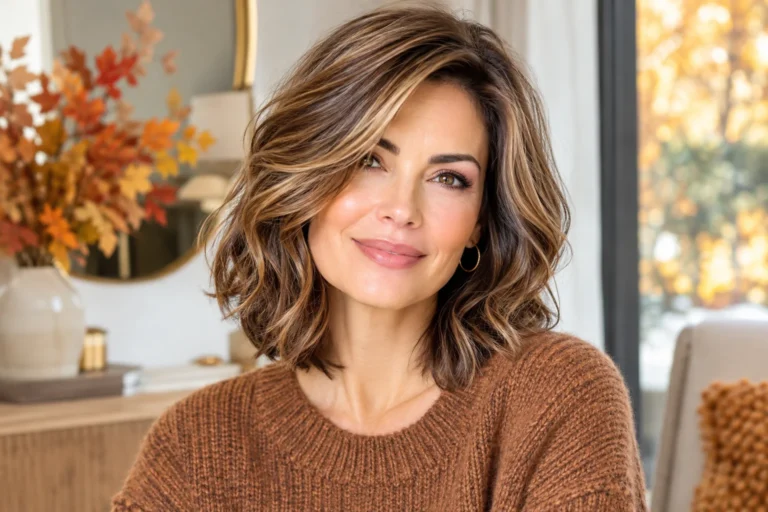
A shoulder-length blonde bob offers a balanced shape that feels polished without looking overly structured. The ends typically fall around the shoulders, while subtle layers and a soft side part add movement. A creamy blonde shade with slightly darker roots can create dimension, making the haircut look more natural as it grows out.
This length suits women who enjoy wearing their hair down but still want enough length for a low ponytail or loose half-up style. Fine hair may benefit from minimal layering to preserve fullness, while thicker hair can use carefully placed internal layers to reduce bulk. Blow-dry with a medium round brush to create a gentle bend at the ends.
2. Layered Blonde Haircut
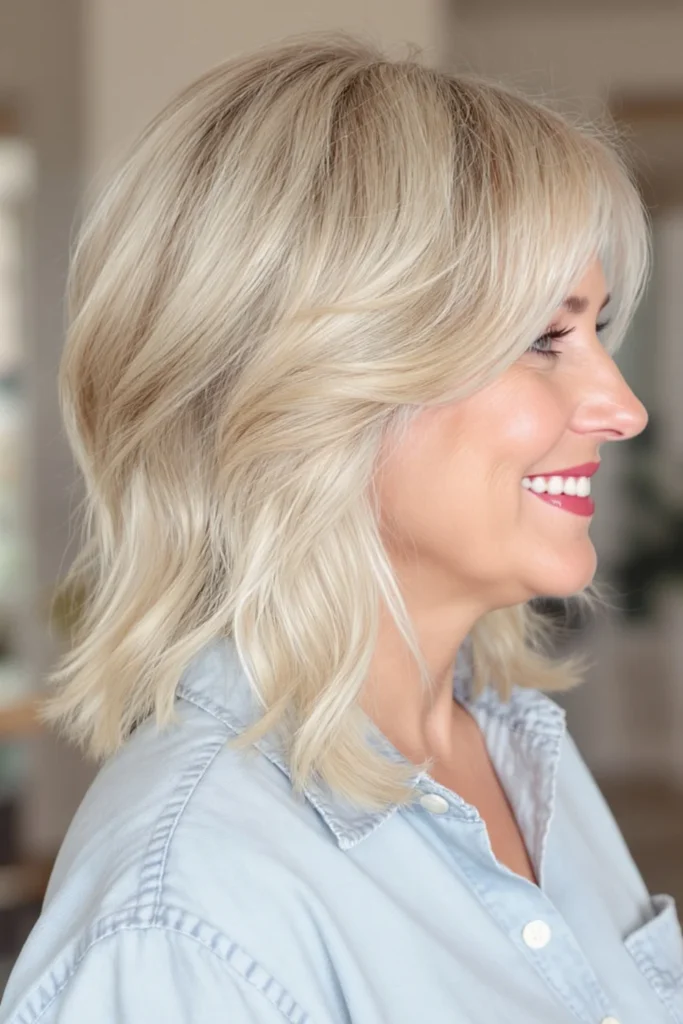
- Length: Medium to long, depending on your preference.
- Layer placement: Shorter layers around the crown create lift, while longer layers soften the lower lengths.
- Color choice: Champagne blonde or honey blonde highlights help emphasize the different layers.
- Best texture: Straight, wavy, or loosely curled hair.
- Styling tool: A round brush or large-barrel curling iron can define the shape.
Layered blonde hair adds movement without requiring a dramatic change in length. Ask your stylist to adjust the amount of layering to your hair density, particularly if your strands are fine and prone to looking thin at the ends. A lightweight volumizing mousse can help lift the roots while keeping the layers soft and touchable.
3. Blonde Pixie Cut
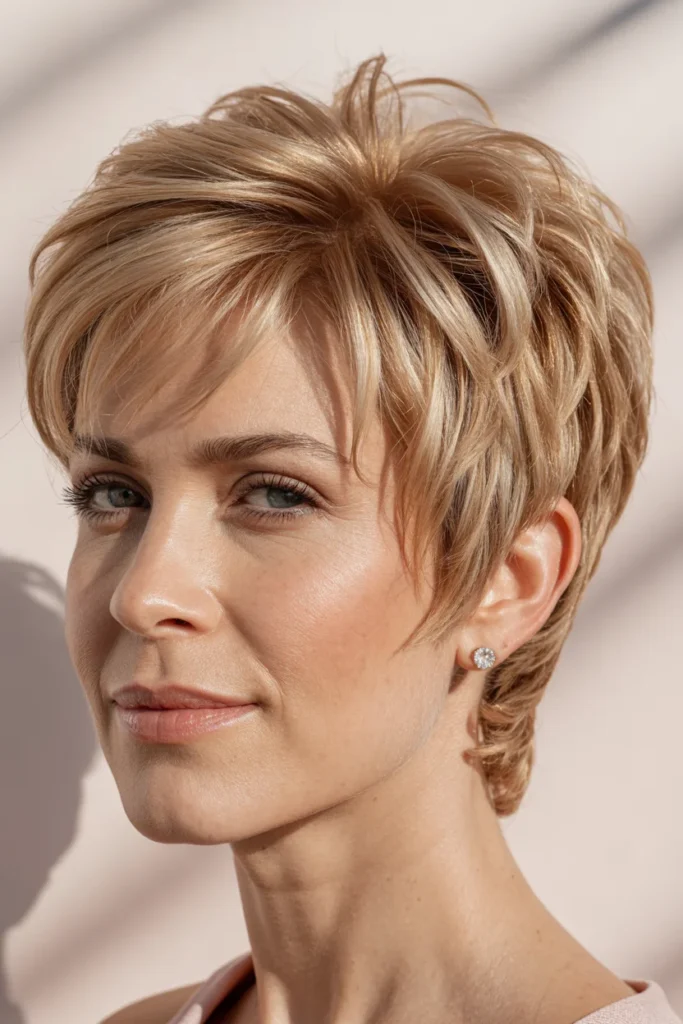
Quick Tip: For a blonde pixie cut with natural-looking volume, apply a small amount of lightweight styling mousse to damp roots. Blow-dry the top in different directions before guiding it into place with your fingers. Finish with a little texturizing paste rather than a heavy wax.
The finished cut features closely shaped sides and a slightly longer top that can be swept forward, lifted, or brushed to one side. A dimensional blonde shade adds visual interest to the short silhouette. This style can be especially convenient for women who prefer a short morning routine, although regular trims are needed to maintain the shape. It is also worth discussing your natural growth pattern with your stylist before choosing the length of the fringe.
4. Long Blonde Hair with Soft Layers
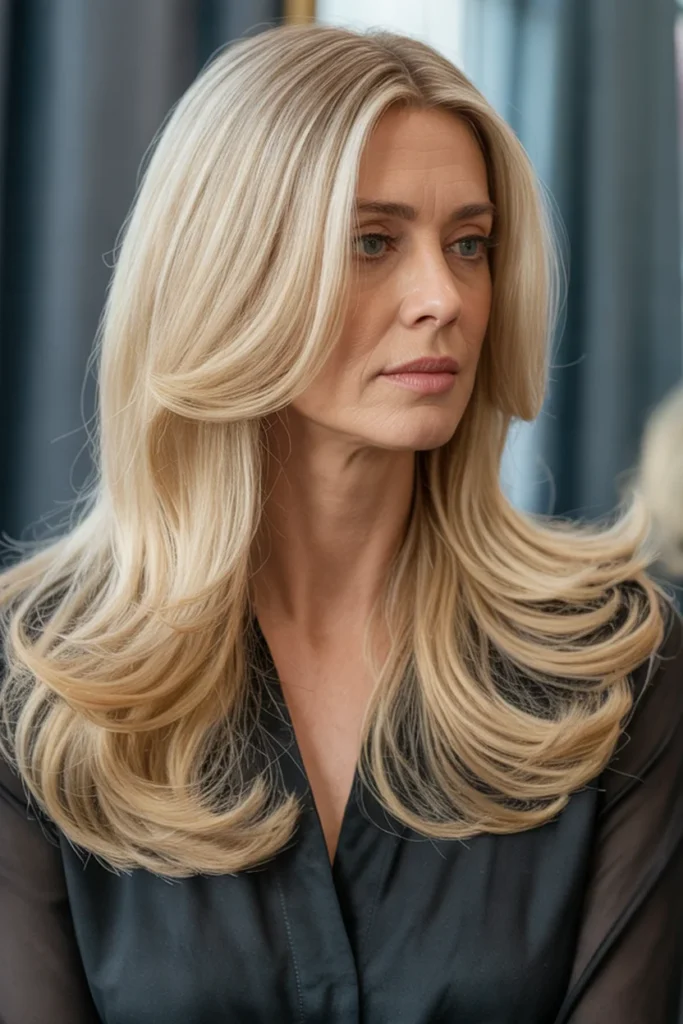
BEFORE
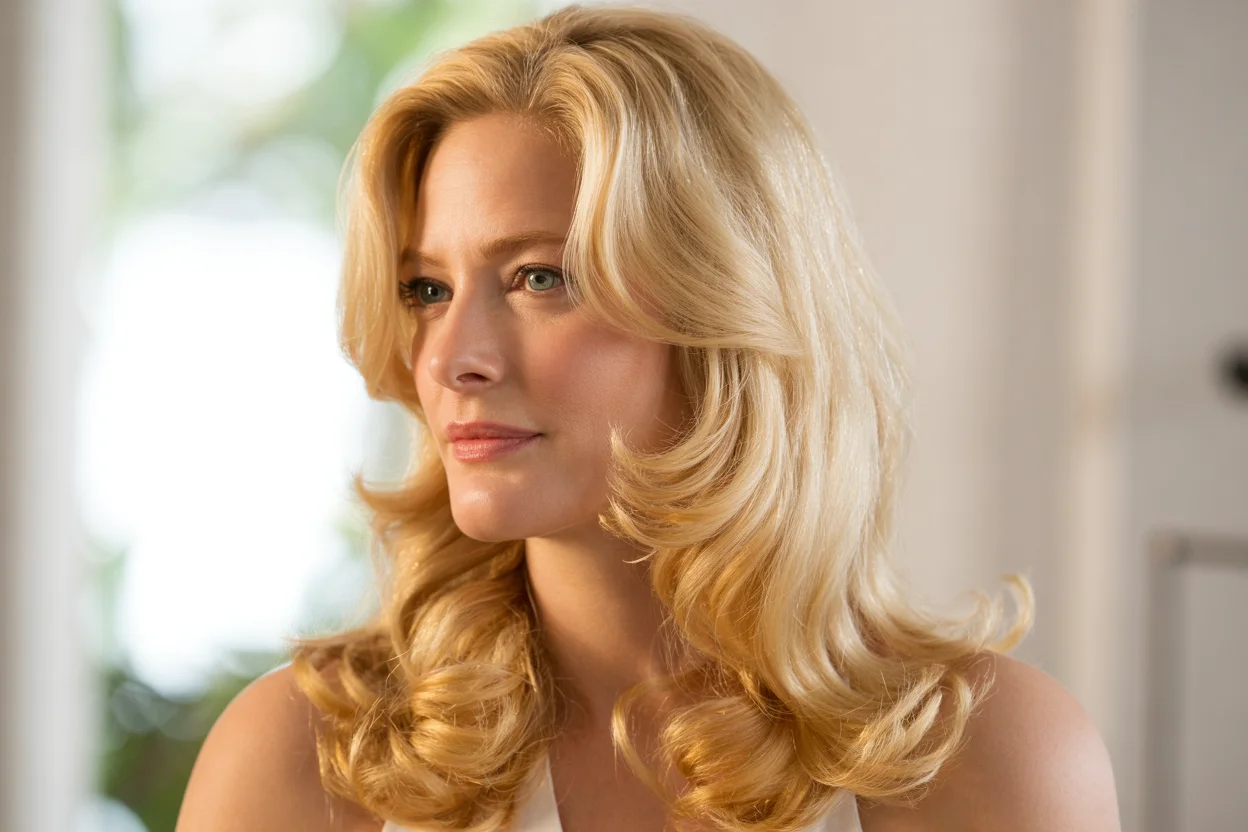
Long blonde hair can sometimes appear heavy around the ends, especially when it has one uniform length. Fine strands may lie flat against the head, while thick hair can lose its shape when the lower sections become too bulky.
AFTER
Soft, cascading layers create a more fluid outline, with the shortest pieces beginning around the cheekbones or collarbone. The longer sections retain enough length for loose curls, straight styling, and ponytails.
To maintain this shape, ask for blended layers rather than sharply disconnected sections. A heat protectant and a large round brush can help create a smooth finish, while a few loose curls through the mid-lengths add movement. Regular trims help prevent split ends from making the longest sections look uneven.
5. Blonde Lob with Side-Swept Bangs
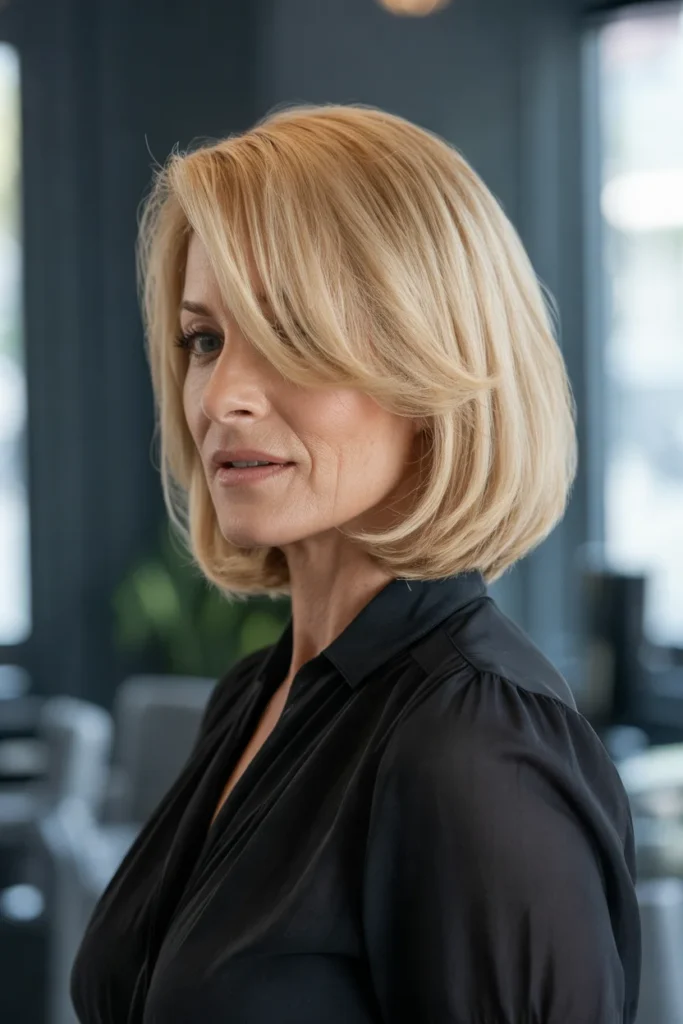
- Prepare the hair: Apply heat protectant and a lightweight blow-dry product to damp hair.
- Create the part: Make a deep or moderate side part, depending on your preferred amount of volume.
- Shape the bangs: Use a small round brush to direct the fringe diagonally across the forehead.
- Style the lob: Blow-dry the remaining hair smooth, turning the ends slightly inward or outward.
- Finish the look: Apply a small amount of smoothing serum to the ends.
A long bob with side-swept bangs combines a structured haircut with a softer front section. The fringe draws attention toward the eyes, while the length, usually between the chin and shoulders, provides styling flexibility. This cut is worth considering for women who want bangs without committing to a full, straight fringe. A root-lifting spray can help maintain volume around the part.
6. Honey Blonde Waves
| Feature | Soft Beach Waves | Polished Waves |
| Texture | Loose and slightly tousled | Smooth and defined |
| Finish | Casual and relaxed | Glossy and refined |
| Styling tool | Large curling wand | Curling iron and brush |
| Best occasion | Everyday wear, brunch, holidays | Dinners, parties, special events |
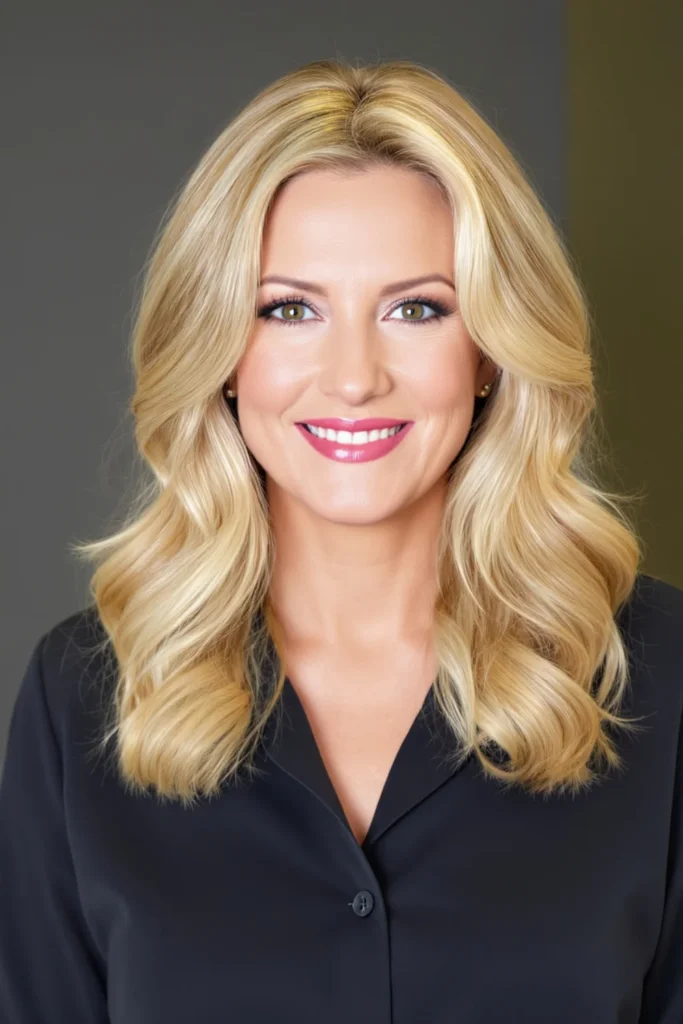
Honey blonde waves combine warm golden tones with soft curves through the mid-lengths and ends. The color can include a deeper blonde at the roots and lighter ribbons around the face for added dimension.
Both styling options can work beautifully, depending on your hair texture and routine. For relaxed waves, alternate the curling direction and leave the ends slightly straighter. For a polished finish, let the curls cool completely before brushing them into a unified shape. A flexible-hold hairspray helps keep the waves in place without making them stiff.
See Also 23 Sleek Straight Hairstyles for Women Over 40
7. Platinum Blonde Bob
DO:
- Choose a bob length that complements your jawline and neck.
- Discuss the condition of your hair before lightening it to platinum.
- Use a color-safe shampoo and a moisturizing conditioner.
- Schedule regular trims to keep the ends looking neat.
DON’T:
- Attempt dramatic bleaching at home without understanding the risks.
- Overuse purple shampoo, which can leave hair looking dull or overly cool.
- Apply excessive heat to already lightened strands.
- Assume that every platinum shade will flatter every complexion.
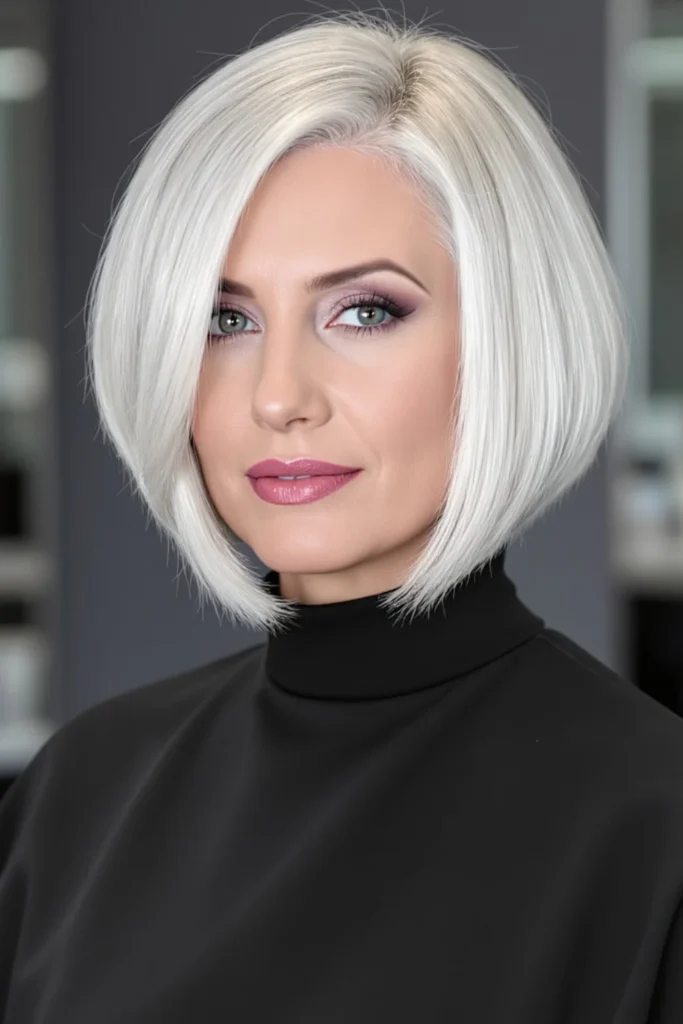
A platinum blonde bob has a bright, cool finish that makes a simple haircut feel distinctive. The shape can be blunt and sleek or slightly layered for movement. Because achieving platinum may require substantial lightening, the condition of your hair should guide the color decision. A professional colorist can help determine whether a softer icy blonde or a more gradual lightening process is a better option.
8. Blonde Shag Haircut
Quick hairstyle facts
- Hair length: Short to medium, with longer variations available.
- Texture: Works particularly well with natural waves and loose curls.
- Volume: Concentrated around the crown and upper layers.
- Maintenance: Occasional trims and light styling products help preserve the shape.
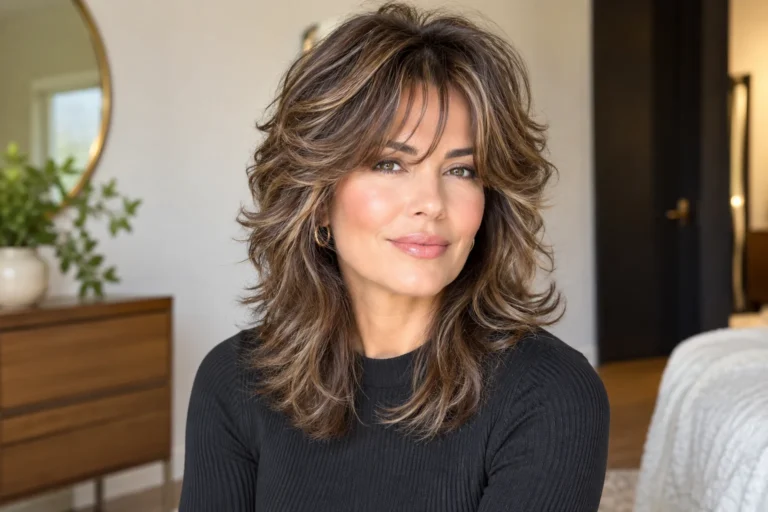
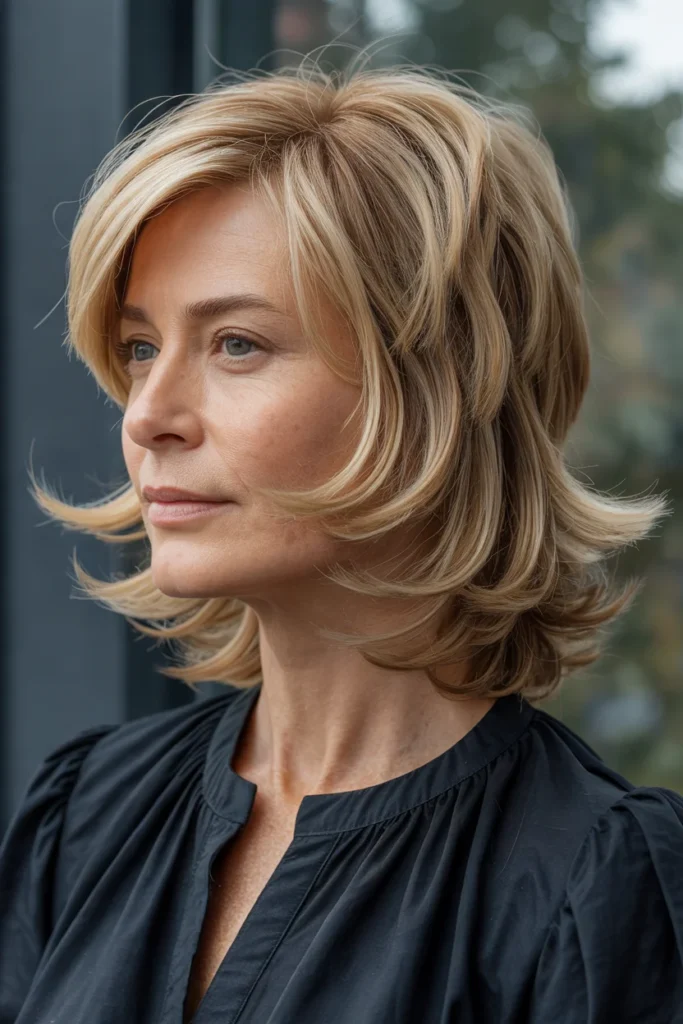
A blonde shag features choppy layers, a textured outline, and often a fringe that blends into the sides. Honey, sandy, or dimensional beige blonde shades can emphasize the separation between layers without requiring a uniform all-over color.
For daily styling, scrunch a lightweight mousse or curl cream into damp hair and let it air-dry when practical. If you prefer a blow-dryer, use a diffuser on a low setting to encourage texture. Women with very fine hair should ask for controlled layering so the ends retain enough density.
9. Chin-Length Blonde Bob
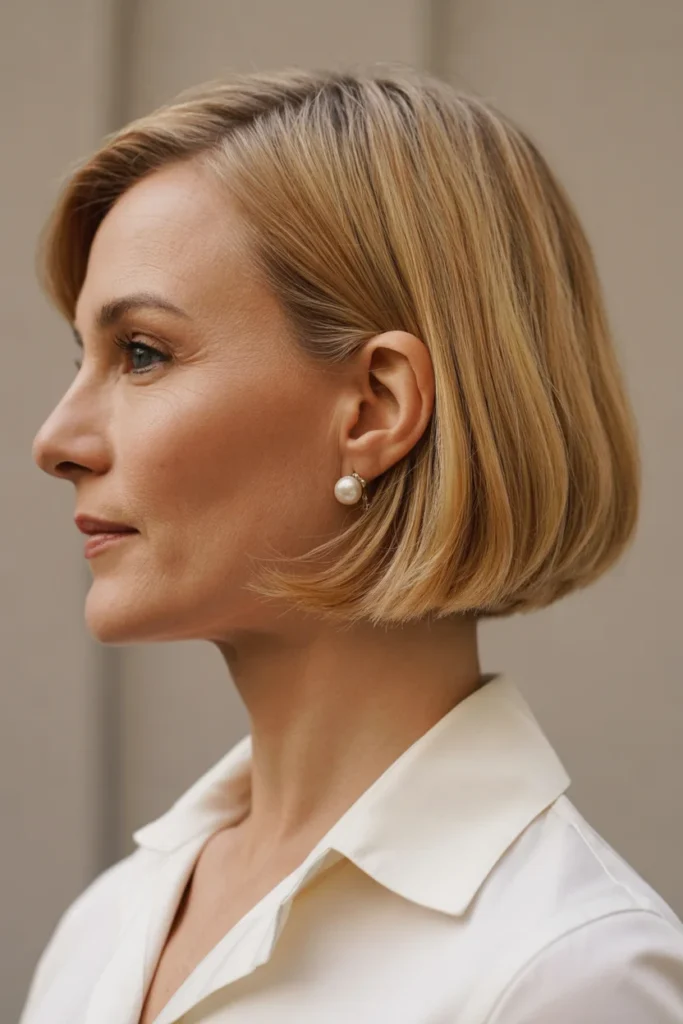
A chin-length blonde bob frames the face with a clean, compact silhouette. The ends sit around the chin, creating a defined outline that can be worn straight, tucked behind the ears, or styled with a slight curve. A neutral blonde shade keeps the finish understated, while brighter highlights around the front can bring extra light to the face.
This haircut can complement oval, heart-shaped, and some round faces, although the parting and amount of volume make a difference. A little lift at the crown can lengthen the appearance of the overall silhouette, while softer ends help avoid a rigid finish. Women with thick hair may benefit from discreet internal weight removal, whereas fine hair often looks fuller with a relatively blunt edge.
10. Golden Blonde Balayage
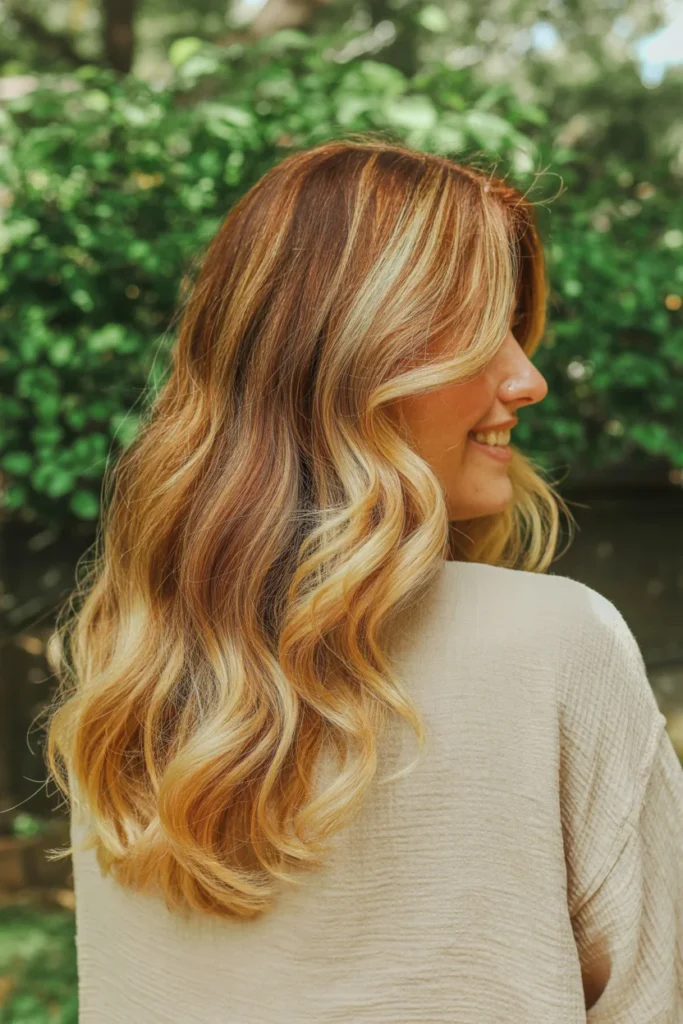
- Color placement: Keep the roots close to your natural shade and concentrate lighter golden ribbons through the mid-lengths and ends.
- Face framing: Add a few brighter pieces around the front if you want more light near your face.
- Hair texture: Waves and curls reveal the variation between darker and lighter sections.
- Maintenance: A blended root generally creates a softer grow-out than a solid, high-contrast blonde.
- Styling suggestion: Use a large curling iron to create loose bends that showcase the color placement.
Golden blonde balayage gives hair a sunlit appearance without requiring every strand to be lightened equally. The result can range from subtle caramel-gold ribbons to a brighter blonde finish, depending on your starting color and desired level of contrast.
Ask your colorist to consider your natural base, skin undertone, and hair condition before selecting the placement. A gloss or toner may help maintain the desired warmth between appointments. Color-safe conditioning products can also help keep lightened lengths smooth and manageable.
11. Blonde Hair with Curtain Bangs
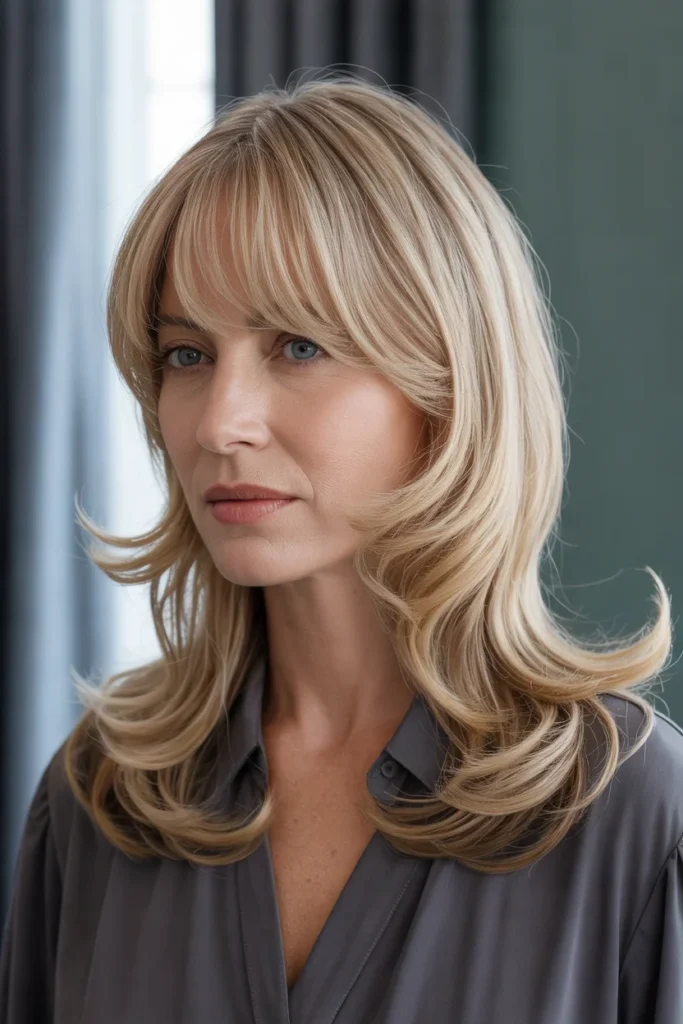
Quick Tip: Blow-dry curtain bangs while they are still damp, directing the roots forward first and then sweeping each side away from the center. Use a medium round brush to create a gentle curve, and allow the fringe to cool before adjusting it with your fingers.
Curtain bangs split near the middle and gradually blend into the longer sections around the temples and cheekbones. Paired with blonde hair, they add softness to a bob, lob, or long layered cut without creating a heavy fringe across the forehead.
The style is especially useful for women who like face-framing detail but want some flexibility when growing out their bangs. Fine hair may need a little root lift to prevent the fringe from separating too much, while thick hair may require internal shaping. Expect occasional bang trims to keep the front pieces at a comfortable length.
12. Short Blonde Layered Haircut
BEFORE
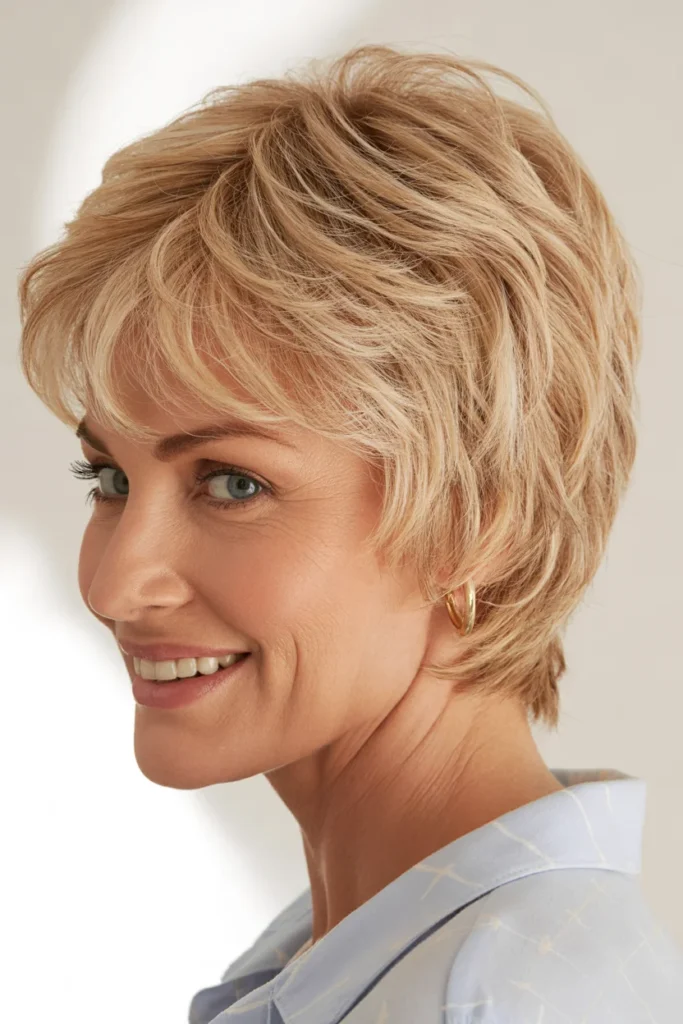
A short haircut can look flat when the crown lacks lift or the sides carry too much weight. Blonde hair may also appear one-dimensional when a single shade covers the entire head without variation.
AFTER
Strategically placed layers introduce movement around the crown, temples, and nape. Fine blonde highlights or a slightly deeper root can add depth without making the color look overly busy.
For a lasting result, ask your stylist to balance the layering with your natural density and growth pattern. A lightweight root-lifting spray followed by a quick blow-dry can create shape without requiring extensive styling. Short layers generally need more frequent trims than longer cuts to maintain their intended silhouette.
See Also 15 Wolf Cut Hairstyles for Women Over 40 to Try
13. Ash Blonde Shoulder-Length Hair
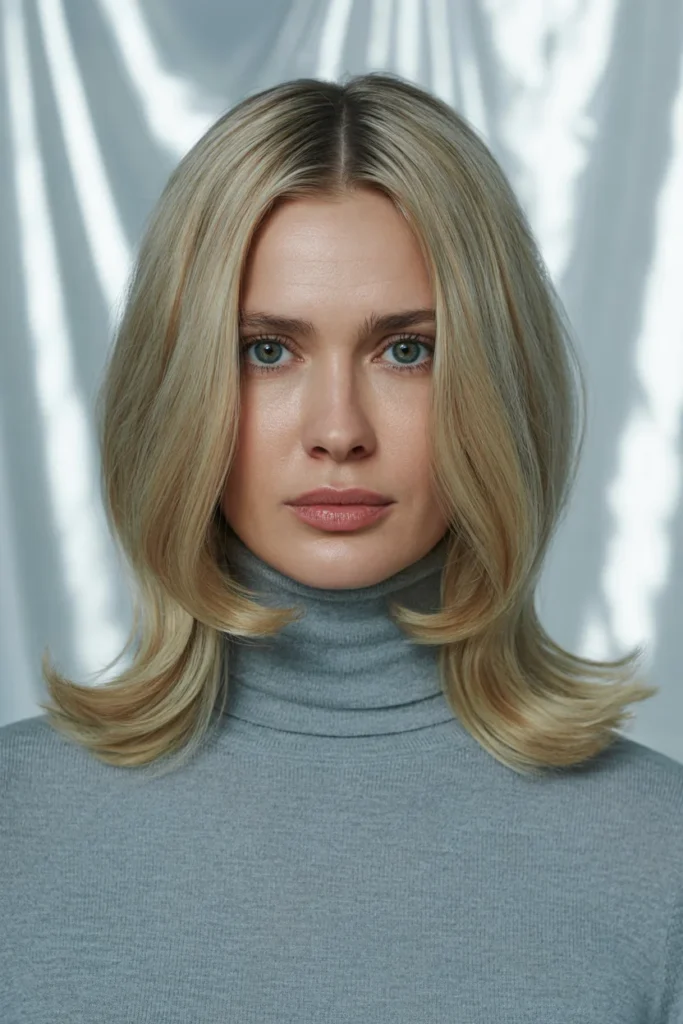
- Choose the shade: Ask your colorist whether a soft ash blonde, smoky beige blonde, or neutral-cool blend works best with your natural base.
- Prepare the hair: Apply heat protectant and a small amount of smoothing lotion.
- Create a clean shape: Blow-dry in sections using a paddle brush for a straighter finish.
- Add movement: Turn the ends slightly inward or create loose bends through the middle.
- Finish carefully: Use a lightweight shine product, concentrating on the ends rather than the roots.
Ash blonde has cooler, muted undertones that can range from silvery beige to smoky blonde. At shoulder length, the shade pairs well with a blunt cut, soft layers, or a side part. It can be a good choice for women who prefer a less golden blonde finish.
Cool tones may require occasional toning, but the ideal schedule depends on your color service, water quality, and how quickly warmth returns. Ask your colorist how to maintain the shade without overusing toning products.
14. Wavy Blonde Lob
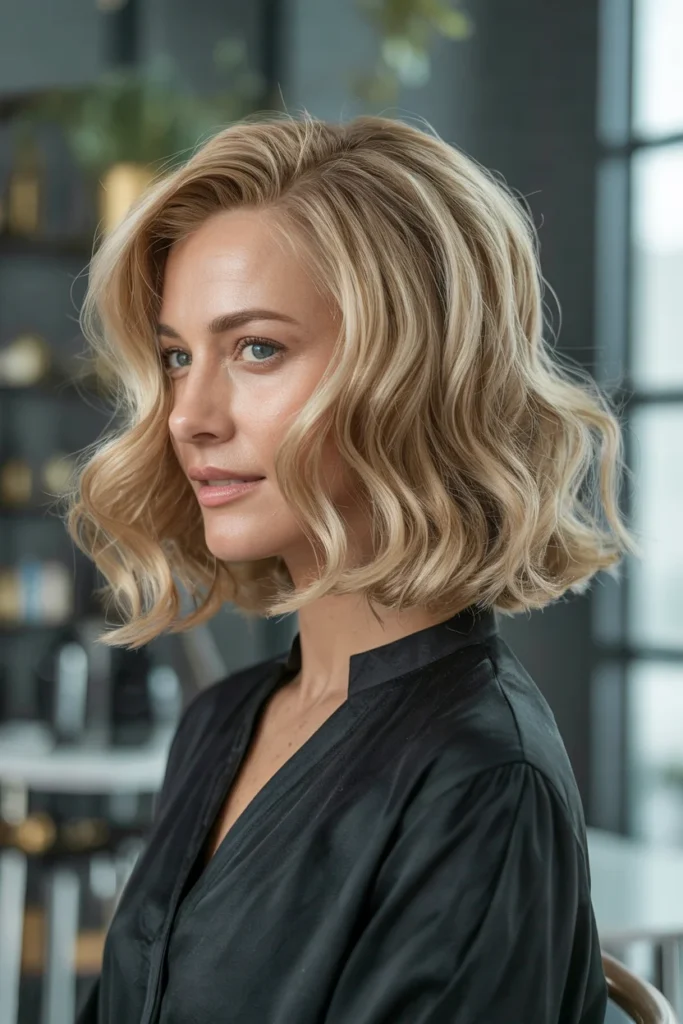
| Feature | Natural-Looking Waves | Defined Waves |
| Hair preparation | Lightweight mousse | Heat protectant and styling lotion |
| Wave pattern | Irregular, relaxed bends | More uniform S-shaped curves |
| Styling time | Often shorter | Usually requires more sectioning |
| Finish | Airy and casual | Polished and structured |
A wavy blonde lob usually falls between the chin and shoulders, with gentle waves that create movement without overwhelming the haircut. Subtle blonde highlights become more noticeable as the hair curves, adding depth to the overall shape.
Natural-looking waves suit a relaxed daily routine, while defined waves can be useful for occasions when you want a more finished appearance. If your hair is naturally wavy, a diffuser and a lightweight curl cream may be enough. Straighter hair may need a curling wand, but avoid repeatedly applying high heat to chemically lightened lengths.
15. Blonde Bob with Wispy Bangs
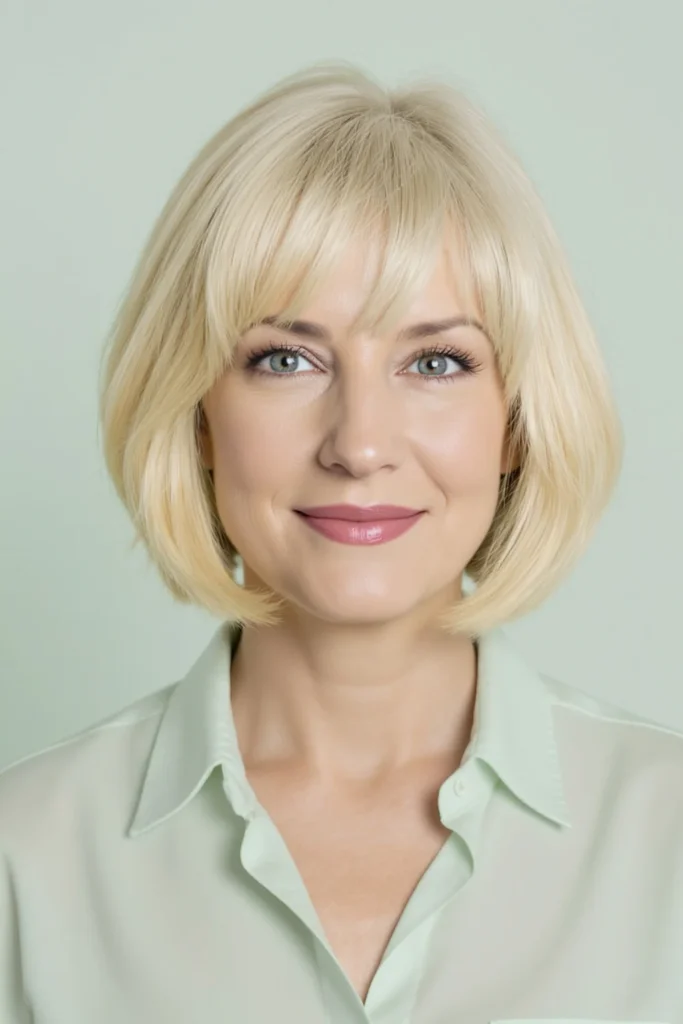
DO:
- Keep the fringe light and airy so the forehead remains partly visible.
- Ask for delicate texturing rather than removing too much hair from the front.
- Blow-dry the bangs first because short fringe sections can dry quickly.
- Choose a blonde shade that complements your existing color and skin undertone.
DON’T:
- Cut the fringe too short without discussing how it will sit when dry.
- Apply heavy oils directly to the bangs.
- Use excessive heat to force every strand into position.
- Ignore regular trims if you want the fringe to remain above the eyes.
A blonde bob with wispy bangs has a soft, slightly undone appearance. The bob provides a defined outline, while the delicate fringe breaks up the forehead area without creating the weight of a thick, blunt bang. A neutral or creamy blonde keeps the overall look balanced.
This combination can be adapted to chin-length and shoulder-length cuts. The key is keeping the fringe proportionate to the rest of the haircut. On fine hair, a lighter fringe can preserve density through the front, while thicker hair may need careful shaping to prevent the bangs from separating into bulky sections.
16. Dimensional Blonde Highlights
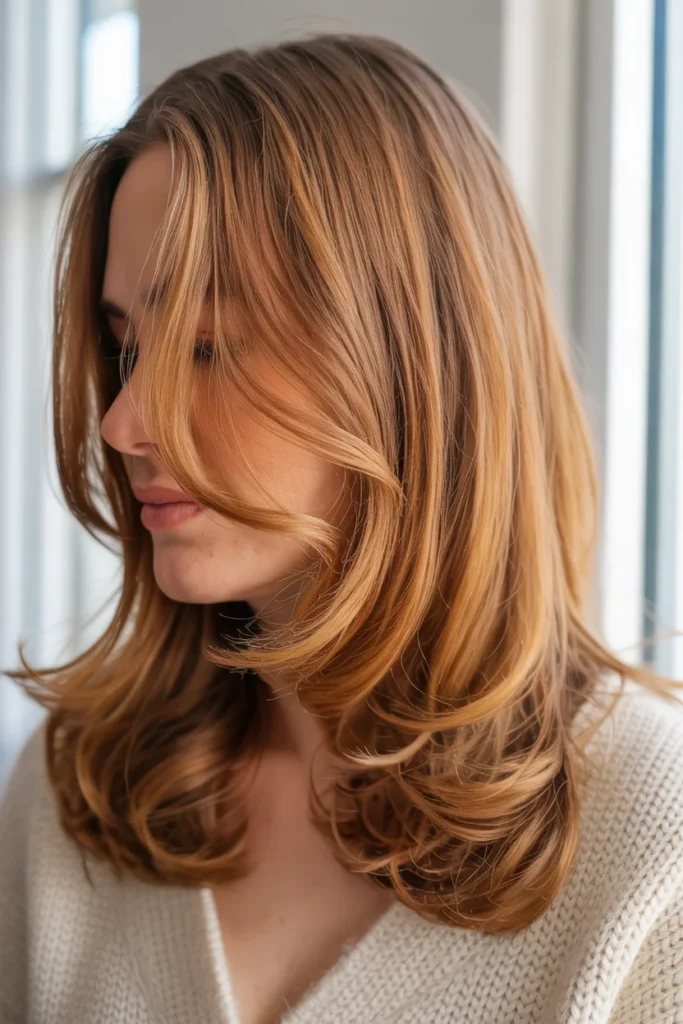
- Color effect: A mixture of lighter blonde ribbons and a slightly deeper base creates visual depth.
- Placement: Highlights can be concentrated around the face, crown, or mid-lengths, depending on the desired result.
- Best styling: Soft waves, layered cuts, and smooth blowouts can all reveal the color variation.
- Maintenance: A blended root and thoughtfully spaced highlights can reduce the need for frequent full-head touch-ups.
Dimensional blonde highlights offer an alternative to a flat, all-over blonde color. Combining several closely related tones creates subtle contrast that remains visible as the hair moves. The approach can work with a bob, lob, shoulder-length layers, or longer hair.
Ask your colorist to choose a blend that fits your natural base and the amount of maintenance you prefer. If your hair is fine or fragile, discuss the placement and lightening strength carefully. A few strategically placed highlights may provide enough brightness without unnecessarily processing every section.
17. Textured Blonde Pixie
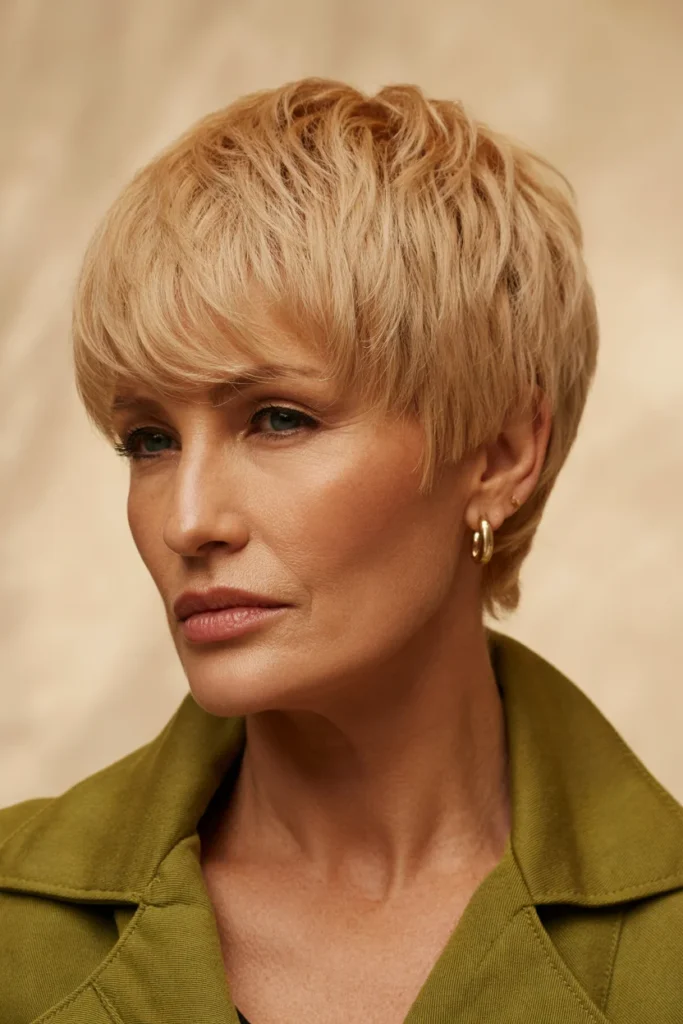
A textured blonde pixie has a short, sculpted base with longer pieces through the top. The layers can be styled upward for height, swept across the forehead, or separated into soft, piecey sections. A combination of deeper roots and lighter blonde ends can make the texture more visible.
For women who prefer a short, expressive haircut, this style offers several options without the time needed for longer hair. Fine strands often respond well to a small amount of volumizing mousse, while thicker hair may need careful thinning or internal shaping by a stylist. Apply texturizing paste sparingly and work it through the ends rather than coating the roots. Plan regular trims to prevent the top from becoming heavy or the sides from losing their shape.
18. Long Blonde Hair with Face-Framing Layers
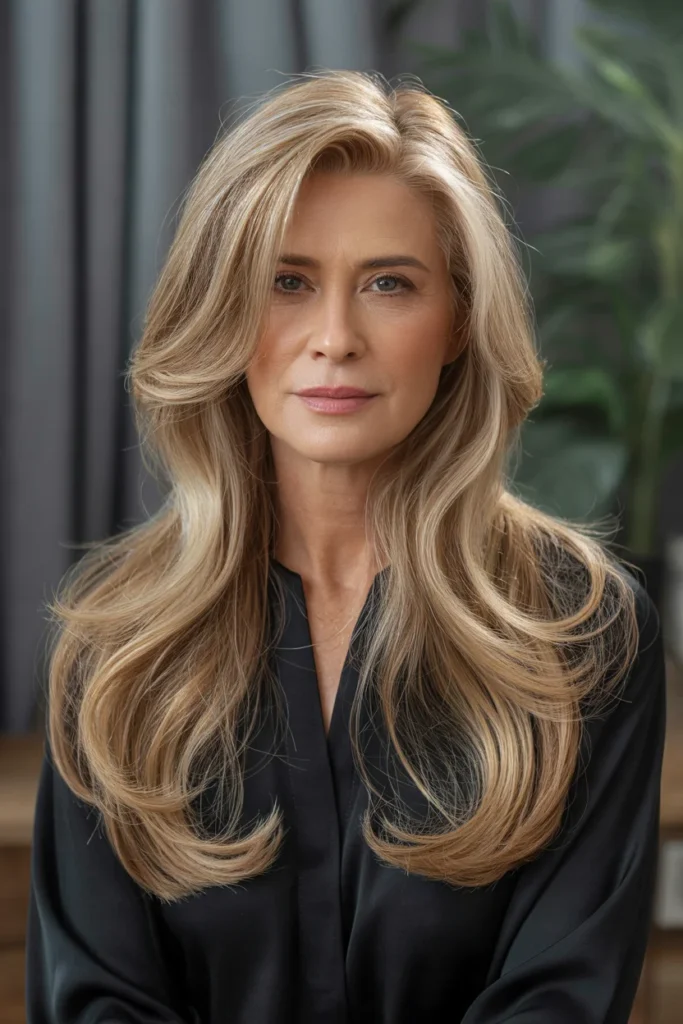
- Front layers: Begin the shortest pieces around the cheekbones, jawline, or collarbone, depending on the amount of framing you want.
- Length retention: Keep the back sections long if you enjoy ponytails, braids, or half-up hairstyles.
- Color placement: Brighter blonde pieces around the face can emphasize the front layers, while a blended base keeps the color softer.
- Hair density: Fine hair often benefits from fewer, longer layers, while thick hair can usually support more internal shaping.
- Styling technique: Blow-dry the front sections away from the face using a round brush, then allow them to cool before releasing them.
Face-framing layers give long blonde hair a more defined outline without requiring a shorter overall cut. They can soften the transition between the forehead, cheekbones, and jawline while allowing the remaining hair to retain its length.
The amount of framing should suit your natural texture and styling habits. If you air-dry frequently, ask for layers that fall well without requiring a daily blowout. For a more polished finish, use a large round brush and a lightweight heat protectant. Regular conditioning is particularly helpful when long hair has been lightened.
19. Beige Blonde Bob
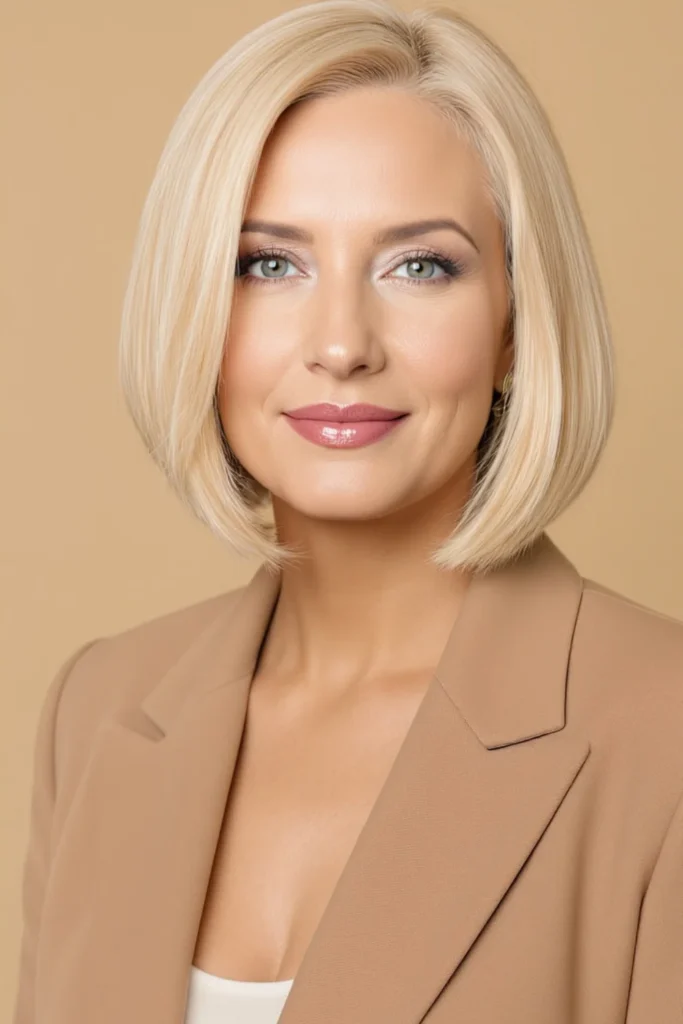
Quick Tip: To keep a beige blonde bob looking smooth and dimensional, use a lightweight conditioner and a heat protectant before blow-drying. Finish with a small amount of shine serum through the ends. If the color starts looking too warm or too cool, ask your colorist whether a gloss is appropriate.
Beige blonde combines neutral, sandy, and sometimes slightly golden undertones. On a bob, this shade creates a softer alternative to very icy platinum or strongly golden blonde. A blunt edge produces a crisp silhouette, while light layering gives the hair a more relaxed finish.
This shade can be customized for a range of complexions, but the balance of warm and cool tones matters. Bring reference photos to your color appointment and discuss how the color will look alongside your natural roots. A bob is relatively easy to style, although the ends may need regular trims to preserve the outline.
20. Champagne Blonde Waves
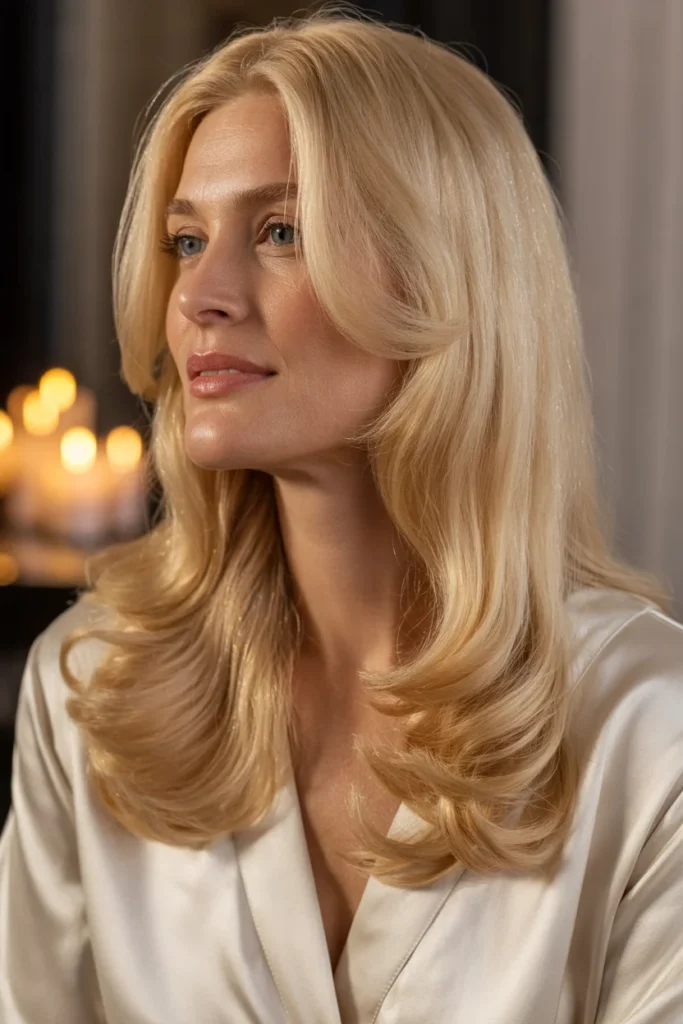
BEFORE
Blonde hair with a uniform color can sometimes look flat, particularly when the hair is styled straight or lacks movement. Waves may also fall out quickly if the hair is very fine or weighed down by styling products.
AFTER
Champagne blonde waves combine a refined, softly luminous shade with loose curls or flowing S-shaped bends. The color can mix neutral blonde with delicate golden and cool beige tones, depending on the starting shade and desired finish.
To recreate the look, apply heat protectant before curling medium-sized sections. Allow each curl to cool before gently separating it with your fingers. A flexible-hold hairspray helps preserve the shape without making the hair feel rigid. Women with naturally wavy hair may achieve a similar finish with a diffuser and a suitable styling cream.
21. Classic Blonde French Bob
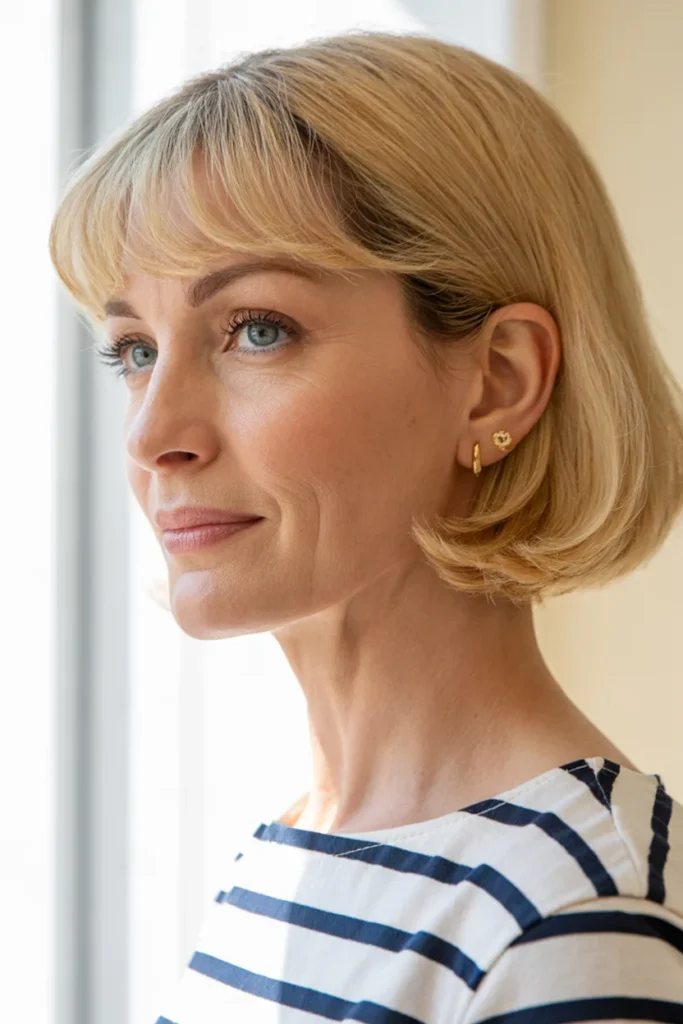
- Set the length: Ask for a bob that sits near the jawline, with the exact length adjusted to your face shape and hair texture.
- Choose the fringe: A full fringe, wispy bangs, or a soft side part can change the character of the cut.
- Prepare the hair: Apply a small amount of styling cream to damp strands.
- Shape the ends: Blow-dry with a small round brush or let the hair air-dry if you prefer a more natural finish.
- Complete the look: Use a light styling paste to define individual pieces without making the hair stiff.
The classic French bob is a short, jaw-skimming haircut with a distinctive, understated silhouette. It often features bangs and slightly imperfect texture, although a sleek version can look equally refined. A soft beige blonde or natural-looking golden blonde gives the cut a fresh finish without overpowering its shape.
This haircut is worth considering if you enjoy shorter hair and do not mind regular trims. Its success depends on the relationship between the bob length, fringe, and natural hair movement. Ask your stylist to tailor the shape to your hair density so the ends do not become overly bulky or sparse.
How to Choose the Best Blonde Hairstyle After 40
The most suitable haircut depends on more than age. Your hair density, natural texture, face shape, color preferences, and available styling time all influence the result.
Consider your hair texture
- Fine hair: Blunt bobs, softly layered lobs, and carefully shaped pixies can help preserve the appearance of fullness. Too many short layers may leave the ends looking thin.
- Thick hair: Long layers, textured bobs, and internal weight removal can reduce bulk while retaining movement.
- Naturally wavy hair: Shags, layered lobs, and shoulder-length cuts can work with the existing wave pattern instead of requiring a completely smooth finish.
- Curly hair: Ask for a cut that accounts for shrinkage and the way your curls sit when dry. Layers should support the curl pattern rather than create unwanted volume.
Choose a length that fits your routine
Short hair may require more frequent salon visits because small changes in length affect its shape. Medium-length hair offers flexibility for loose waves, ponytails, and half-up styles. Long hair provides the most length for braids and updos, but lightened ends may require extra conditioning and careful detangling.
Find a blonde shade that suits your complexion
Warm honey and golden blonde shades can complement warm undertones, while ash and icy blondes may appeal to those who prefer cooler tones. Beige, champagne, and neutral blonde shades offer alternatives between the two.
These are starting points, not strict rules. Your natural base color, eye color, personal preference, and the contrast between your hair and skin can all influence the final choice. A colorist can help select a shade that works with your existing hair and the amount of upkeep you want.
Think about your styling time
If you prefer low-maintenance hair, choose a cut that works with your natural texture and does not depend on daily heat styling. Blended highlights and a root color close to your natural shade may also make regrowth less noticeable.
If you enjoy styling your hair, bangs, layered bobs, and longer face-framing cuts offer more opportunities to experiment with brushes, curling tools, and different partings.
Tips for Maintaining Blonde Hair After 40
Blonde hair can look healthy and polished at any length, but lightening services may leave the strands more vulnerable to dryness and breakage. A simple, consistent routine can help preserve both the color and the haircut.
- Use suitable shampoo and conditioner. Choose products formulated for color-treated hair and adjust the level of moisture to your hair’s needs.
- Protect against heat. Apply a heat protectant before using a blow-dryer, curling iron, or straightener. Use the lowest effective temperature for your texture.
- Use purple shampoo selectively. Violet pigments can help neutralize unwanted yellow tones in suitable blonde shades. Follow the product instructions and avoid overuse if your hair starts looking dull or overly cool.
- Condition the ends regularly. A moisturizing conditioner or occasional hair mask can help improve softness and manageability in lightened lengths.
- Schedule trims based on the cut. Short pixies and precise bobs generally need more frequent shaping than long layers.
- Protect your hair from sun exposure. UV exposure can contribute to color changes and dryness. Wear a hat when practical and consider hair products with UV protection.
- Discuss regrowth with your colorist. Balayage, blended roots, and strategically placed highlights may allow for longer intervals between color appointments.
- Avoid overlapping chemical treatments unnecessarily. Tell your stylist about previous color services and home treatments before lightening your hair again.
Healthy-looking blonde hair is not solely about achieving the lightest shade. The condition of the ends, the suitability of the haircut, and the balance of the color all contribute to the final appearance.
Frequently Asked Questions
Which blonde hairstyle is best for women over 40?
The best choice depends on your hair texture, face shape, and styling preferences. A shoulder-length bob offers versatility, a layered cut adds movement, and a pixie can reduce daily styling time. Choose a haircut that works with your natural hair rather than relying on a style that requires extensive daily maintenance.
Does blonde hair make women over 40 look younger?
Blonde hair does not automatically make someone look younger, but the right shade and haircut can create a softer or brighter overall appearance. Face-framing highlights, blended roots, and well-shaped layers may complement your features. The most flattering result usually comes from choosing a color that suits your complexion and maintaining healthy-looking hair.
What is the easiest blonde hairstyle to maintain?
A softly layered lob, a shoulder-length cut with blended color, or a longer style that works with your natural texture can be relatively easy to manage. Maintenance depends on how quickly your hair grows, whether you have bangs, and how frequently you need color touch-ups. A cut that air-dries well can save time.
Which blonde shade looks most natural after 40?
Beige blonde, honey blonde, neutral blonde, and blended golden highlights can all create natural-looking results. The most suitable option depends on your natural base color and complexion. A colorist can combine highlights and lowlights to create dimension while keeping the regrowth less noticeable.
Is short or long blonde hair better for women over 40?
Neither length is universally better. Short hair can feel light and structured, but precise cuts may need frequent trims. Long hair provides more options for ponytails, braids, and updos, although it may require more conditioning and detangling. Choose the length that fits your hair condition, lifestyle, and preferred styling routine.
Final Thoughts
The best blonde hairstyles for women over 40 combine a flattering shape, a suitable shade, and a manageable styling routine. Whether you prefer a classic French bob, dimensional balayage, soft champagne waves, or long layers, there are plenty of ways to find a look that feels like you.
Before booking your next appointment, consider your natural texture, how much time you want to spend styling, and the level of color maintenance you are comfortable with. Save your favorite ideas on Pinterest and bring a few reference photos to your stylist. A thoughtful combination of cut, color, and everyday care can help you enjoy your blonde hair at any length.