25 Professional Hairstyles for Women Over 40 for Work
Finding a polished hairstyle that feels appropriate for the office does not mean choosing a stiff or overly formal look. The best Professional Hairstyles for Women Over 40 balance neatness, comfort, personal style, and easy maintenance. Whether your hair is short, medium, or long, there are plenty of work-friendly options that can look refined without taking a long time to style.
This collection includes sleek bobs, layered cuts, polished ponytails, classic updos, soft waves, and practical styles for busy mornings. You will also find ideas for different hair textures, face shapes, and styling preferences. Some options require only a few minutes and a brush, while others are better suited to presentations, meetings, or more formal office settings.
1. Sleek Shoulder-Length Bob
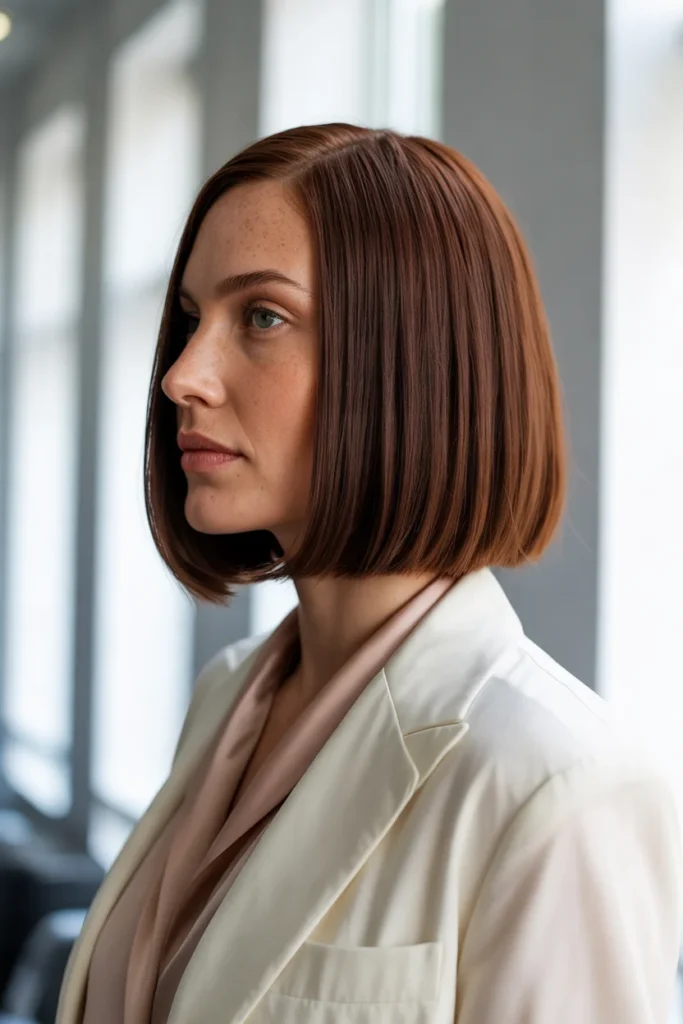
A sleek shoulder-length bob creates a clean silhouette with enough length to tuck behind the ears or style with a slight bend at the ends. A center or side part can change the overall impression, while smooth ends keep the haircut looking intentional and polished. Subtle shine makes this classic shape especially office-friendly.
For fine or medium-density hair, keeping the perimeter relatively full can help the ends look substantial. A round brush can create gentle movement without turning the style into a full blowout. This length also offers flexibility for occasional ponytails or low buns when you want your hair completely away from your face.
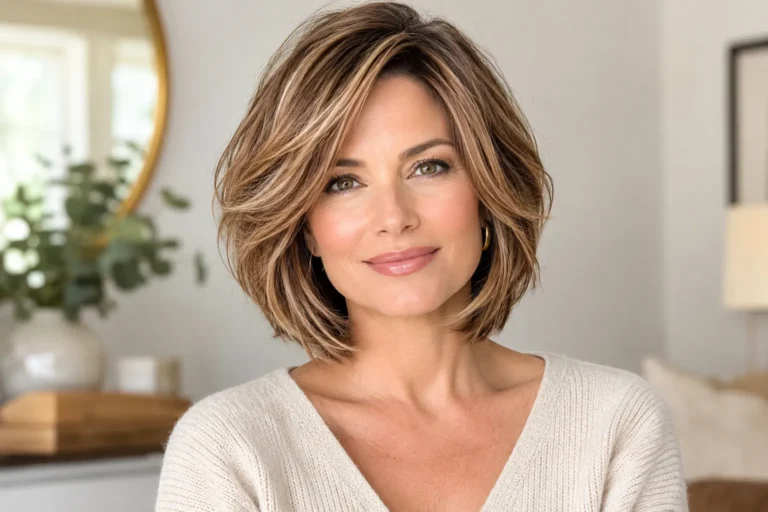
2. Soft Layered Bob
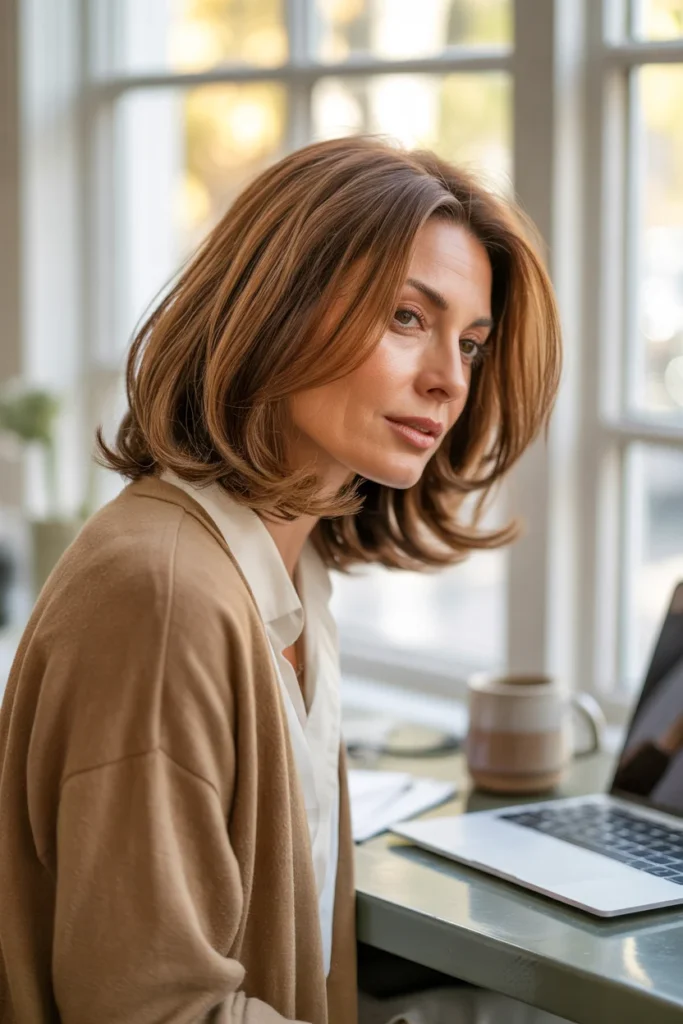
- Length: Around chin to jaw level, with softly graduated layers.
- Texture: Straight, slightly wavy, or lightly curled hair can all suit the shape.
- Volume: Layers placed through the crown can prevent a rounded bob from looking flat.
- Styling: A medium round brush helps direct the ends inward while preserving movement.
- Maintenance: Regular trims help keep the layers and perimeter looking controlled.
The softer layering makes this bob less rigid than a blunt cut while maintaining a professional outline. If your hair is thick, ask for controlled weight removal rather than excessive layering. Fine hair usually benefits from fewer, strategically placed layers so the shape does not lose density.
3. Classic Blunt Bob
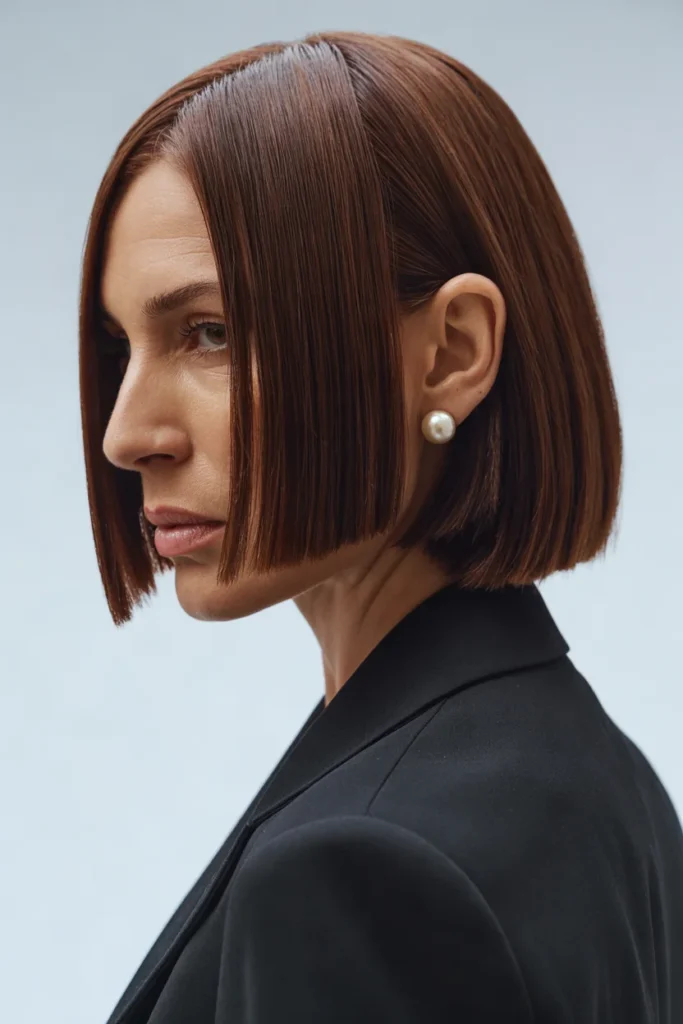
Quick Tip: For a crisp blunt bob, dry the roots first and then use a flat brush or paddle brush to smooth the lengths. Finish the ends with a small amount of lightweight smoothing product rather than heavy oil.
The defining feature is the clean, nearly one-length perimeter. It works particularly well for straight hair because the sharp edge remains visible, but slightly wavy hair can also look sophisticated when gently smoothed. A side part softens the geometry, while a center part gives the haircut a more contemporary office appearance.
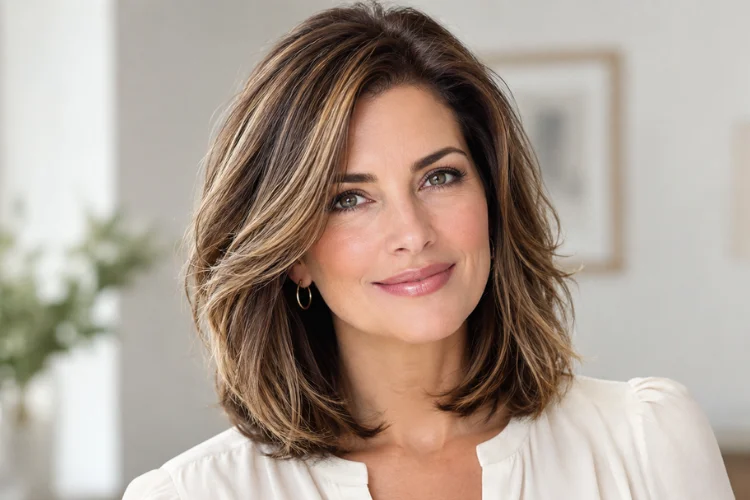
4. Long Bob With Side Part
BEFORE
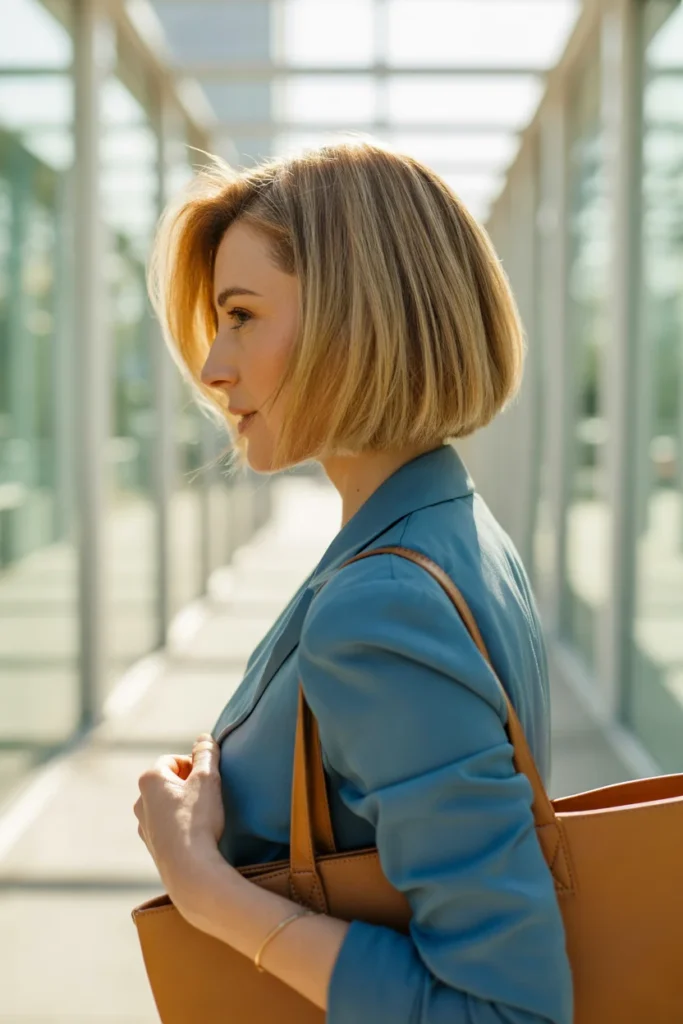
Fine or medium hair can sometimes look visually flat when it falls at one length, particularly around the sides of the face. A deep side part may also collapse after several hours if the roots are not supported.
AFTER
A shoulder-grazing lob with a controlled side part creates more visible shape around the face. The longer front pieces can be tucked behind one ear or left loose for gentle framing.
For lasting volume, apply a lightweight root-lifting product before blow-drying the part into position. Avoid applying too much product near the scalp. The goal is a clean, flexible finish that can move naturally throughout the workday without becoming greasy or stiff.
5. Layered Hair With Side-Swept Bangs
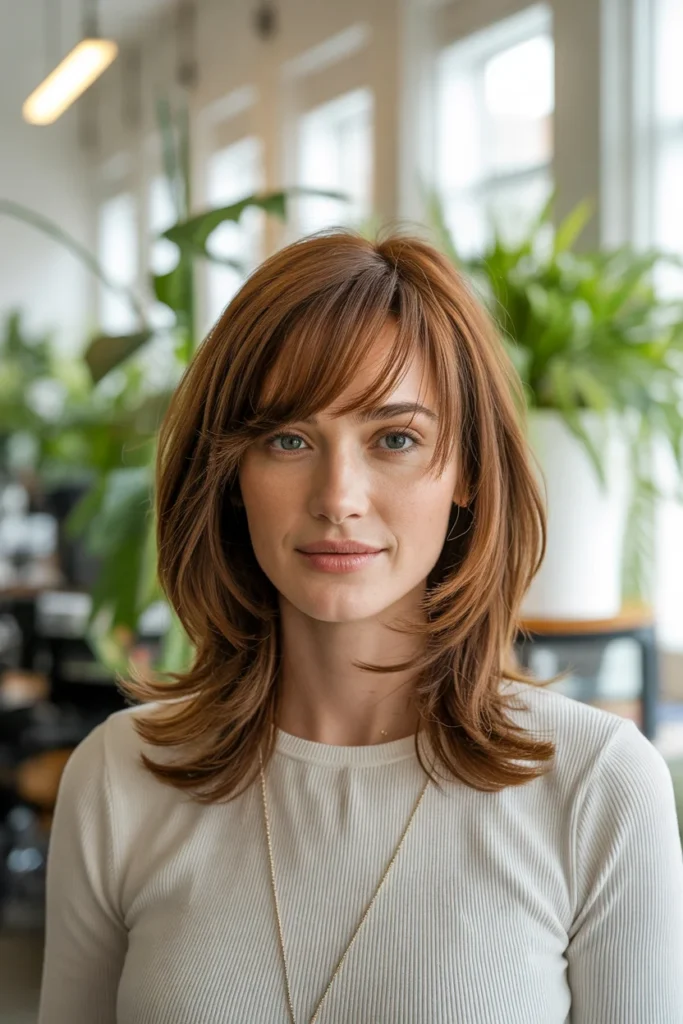
- Prepare: Start with damp hair and apply heat protectant, especially through the lengths.
- Shape the layers: Blow-dry the main sections using a round brush, directing the ends away from the face.
- Style the bangs: Sweep the fringe diagonally while drying so it follows the natural curve of the forehead.
- Finish: Use a light mist of flexible hairspray to keep the side sweep in place.
This combination works nicely when you want movement without sacrificing a tidy appearance. Side-swept bangs can also be adjusted according to forehead proportions and hair density. Keep the fringe light enough to move naturally, and schedule trims regularly if you want the diagonal shape to remain defined.
6. Polished Pixie Cut
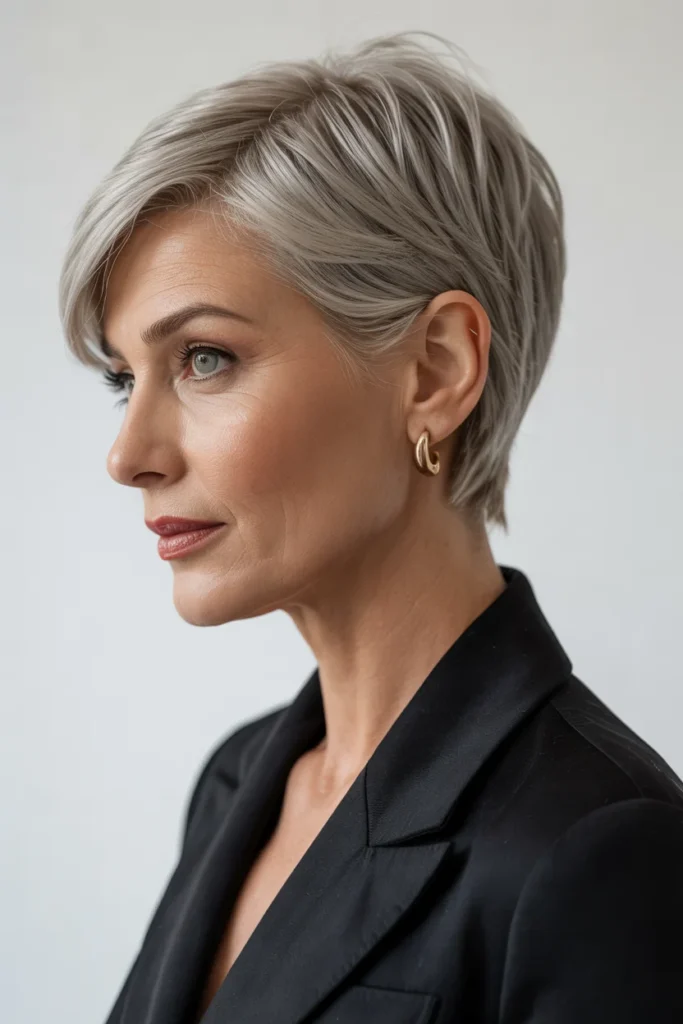
| Feature | Smooth Finish | Textured Finish |
| Texture | Sleek and controlled | Lightly piecey |
| Volume | Low to moderate | Moderate at the crown |
| Styling time | About 5 to 10 minutes | About 5 to 10 minutes |
| Office feel | Refined and classic | Modern and relaxed |
A pixie can be adapted to the amount of texture and volume your hair naturally provides. A smooth version emphasizes the clean haircut, while subtle texture adds dimension to fine or straight hair. Use a small amount of styling cream or paste and concentrate it on the ends rather than coating the entire scalp.
7. Long Pixie With Side Bangs
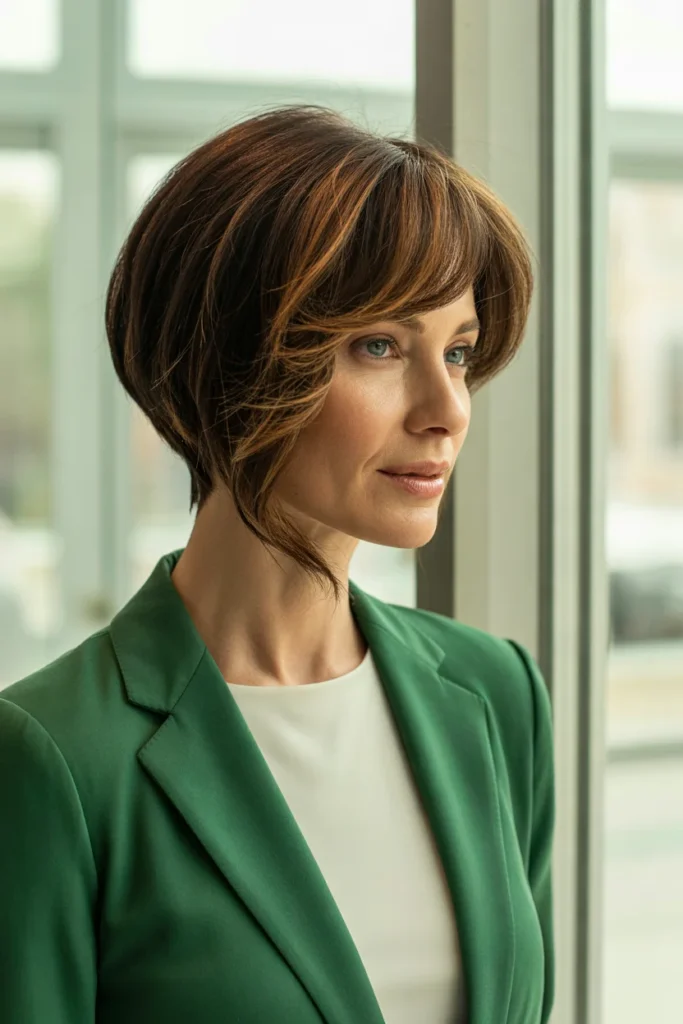
DO
- Keep the side fringe long enough to sweep naturally across the forehead.
- Add slight lift at the crown if your hair tends to lie flat.
- Use a lightweight styling cream for separation.
- Keep the neckline neatly trimmed.
DON’T
- Overload fine hair with wax or pomade.
- Make every strand sharply defined.
- Allow the fringe to become excessively heavy around the eyes.
- Use high heat repeatedly without protection.
The main styling principle is controlled texture. A long pixie should look shaped rather than rigid, especially for everyday office wear. The side bangs provide softness around the face, while the shorter back and sides keep the haircut practical. A quick morning refresh with damp fingertips can often restore the shape.
8. Chin-Length Bob With Soft Waves
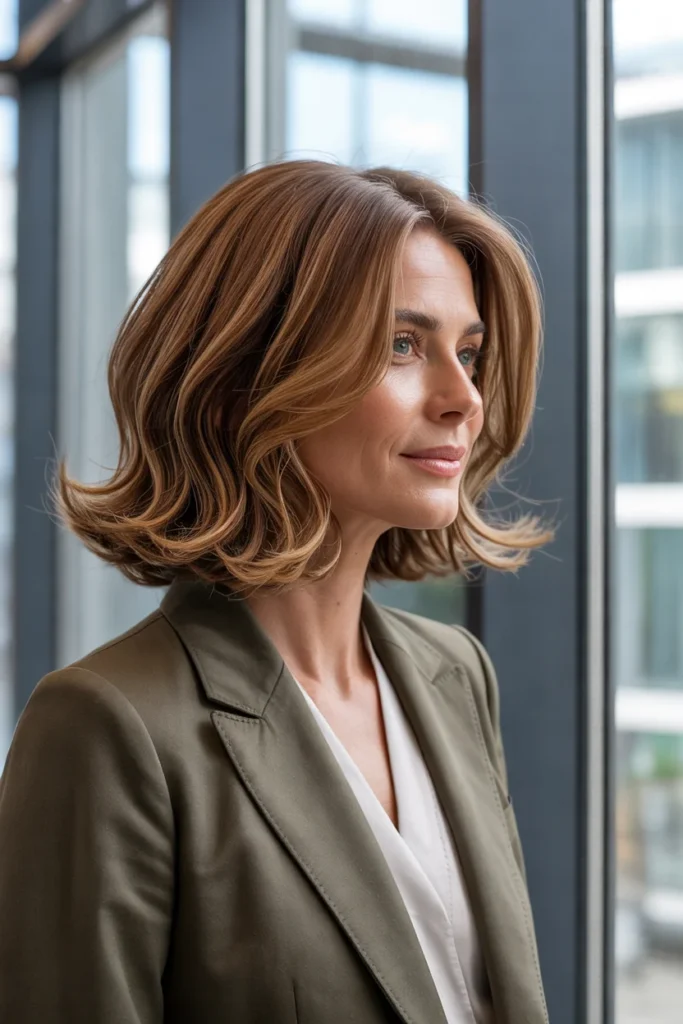
Hair Length: Chin to slightly below the jaw
Hair Type: Straight, wavy, or fine-to-medium texture
Texture: Loose bends rather than tight curls
Part: Center or gentle side part
Best Occasion: Meetings, office days, and business-casual settings
To create the waves, use a medium-barrel iron or curling wand on selected sections, leaving the ends slightly straighter. Once the hair cools, loosen the bends with your fingers. This keeps the bob polished while preventing it from appearing overly curled or formal.
9. Straight Lob With Middle Part
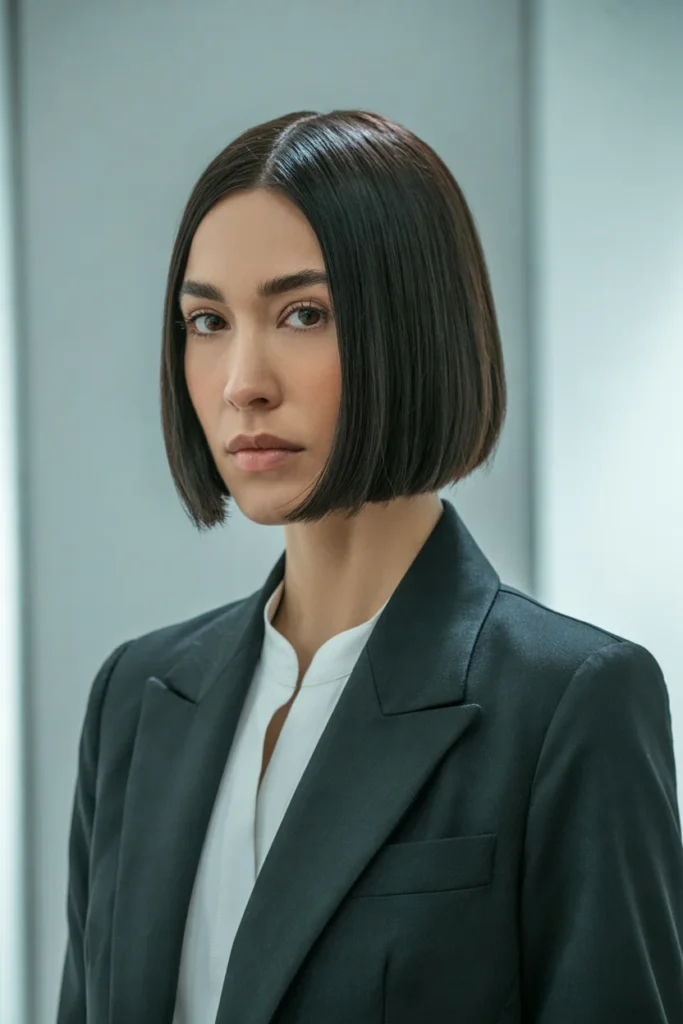
A straight lob with a middle part gives medium-length hair a symmetrical, streamlined appearance. The ends can rest around the collarbone or slightly above it, depending on the haircut. Keeping the perimeter neat is important because this style relies on the clean relationship between the center part and straight lengths.
For naturally straight hair, a paddle brush and low heat may be enough. Wavy hair can be smoothed with a blow dryer before using a flat iron only where necessary. If your hair is fine, avoid repeatedly pressing the roots flat. A little natural lift can keep the center part from looking severe.
10. Voluminous Layered Hair
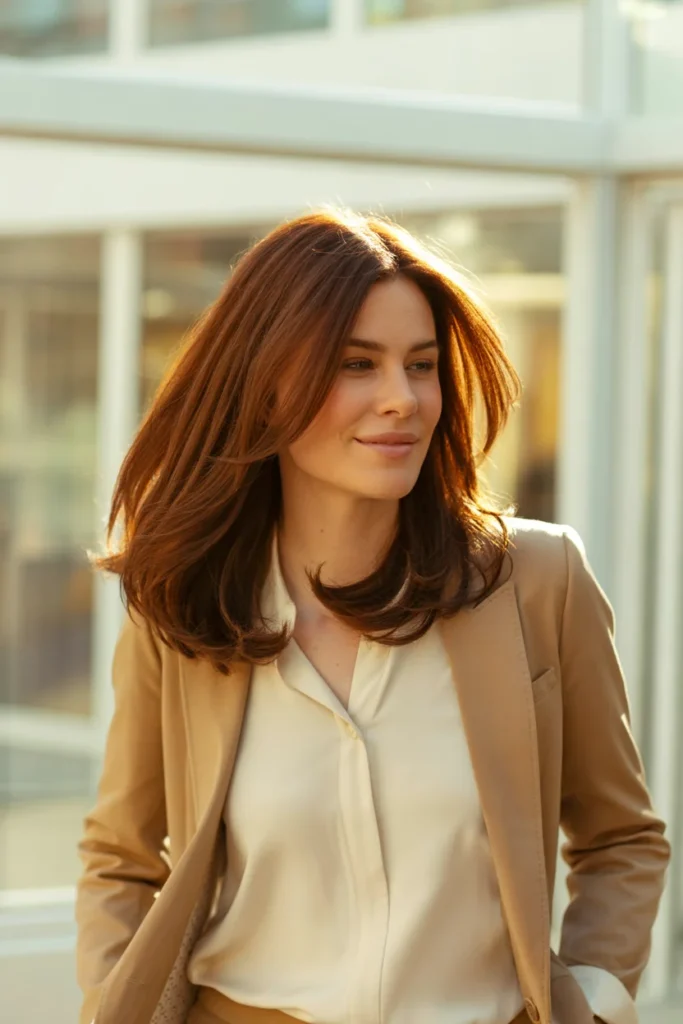
- Start with the roots: Apply a lightweight volumizing mousse to damp roots rather than saturating the entire head.
- Build the shape: Blow-dry sections upward and slightly away from the scalp.
- Keep the ends controlled: Use a round brush to create a soft curve instead of exaggerated volume.
- Finish lightly: A flexible hairspray can help hold the shape without making the layers stiff.
Longer layered hair can look professional when the volume is concentrated strategically. Face-framing pieces should blend into the rest of the haircut rather than creating abrupt steps. This approach is particularly useful for medium-to-thick hair that needs movement, while fine hair may benefit from fewer layers.
11. Low Sleek Ponytail
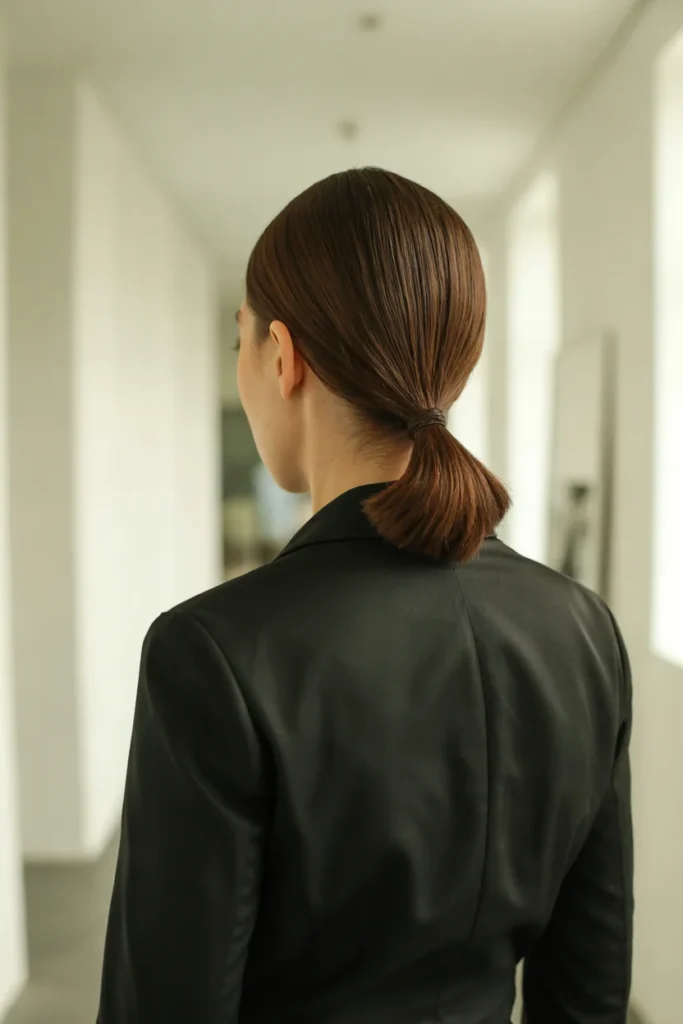
Quick Tip: Smooth the crown before gathering the ponytail, but leave enough natural movement around the face to prevent the result from looking overly tight. Secure the base with a covered elastic and wrap a small section of hair around it for a finished appearance.
Positioning the ponytail at the nape keeps the style understated and office-appropriate. Straight hair produces the cleanest finish, while slightly wavy hair can create a softer version. If your ends are dry, apply a tiny amount of smoothing serum to the lower lengths rather than adding product near the roots.
12. Low Ponytail With Face-Framing Layers
BEFORE
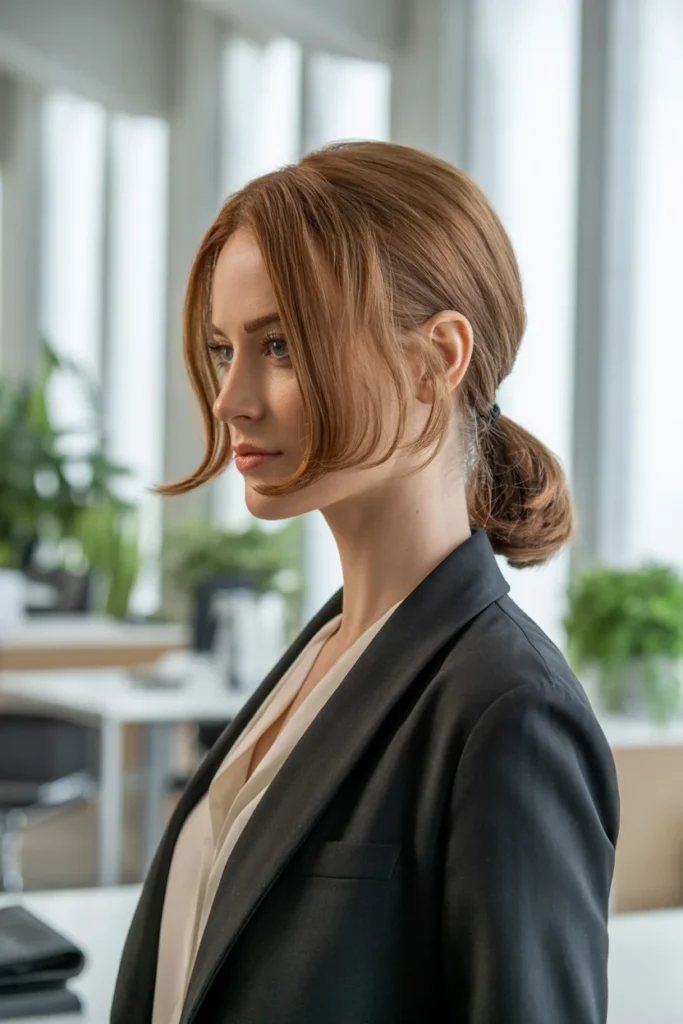
Long hair can feel visually heavy when all of it is pulled straight back. Fine strands may also lose shape around the face when secured tightly at the nape.
AFTER
A low ponytail leaves the front layers loose, creating a softer frame while keeping the main length controlled. The ponytail itself can be smooth, lightly waved, or gently textured.
Use a center or side part according to your natural growth pattern. For a more polished finish, smooth the ponytail with a brush before securing it. A small amount of flyaway-control product around the hairline can help, particularly in humid conditions.
13. Classic French Twist
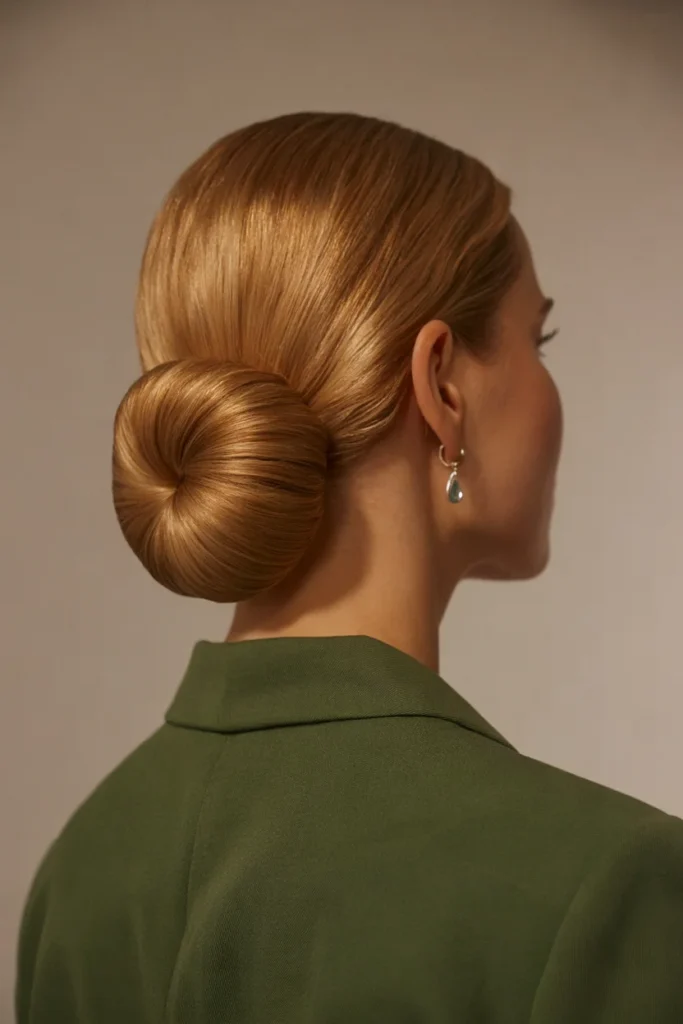
- Brush the hair: Smooth the sides and gather the lengths toward the back of the head.
- Create the twist: Rotate the gathered hair upward, allowing the ends to fold inward.
- Secure: Insert pins vertically along the twist, placing them underneath the visible outer layer.
- Refine: Smooth loose sections and gently pull a few face-framing pieces forward if desired.
A French twist is especially useful for formal office days, presentations, interviews, and events immediately after work. Medium to long hair usually provides enough length to create the structure. If your hair is very fine, light texturizing spray before pinning can provide additional grip.
14. Low Chignon
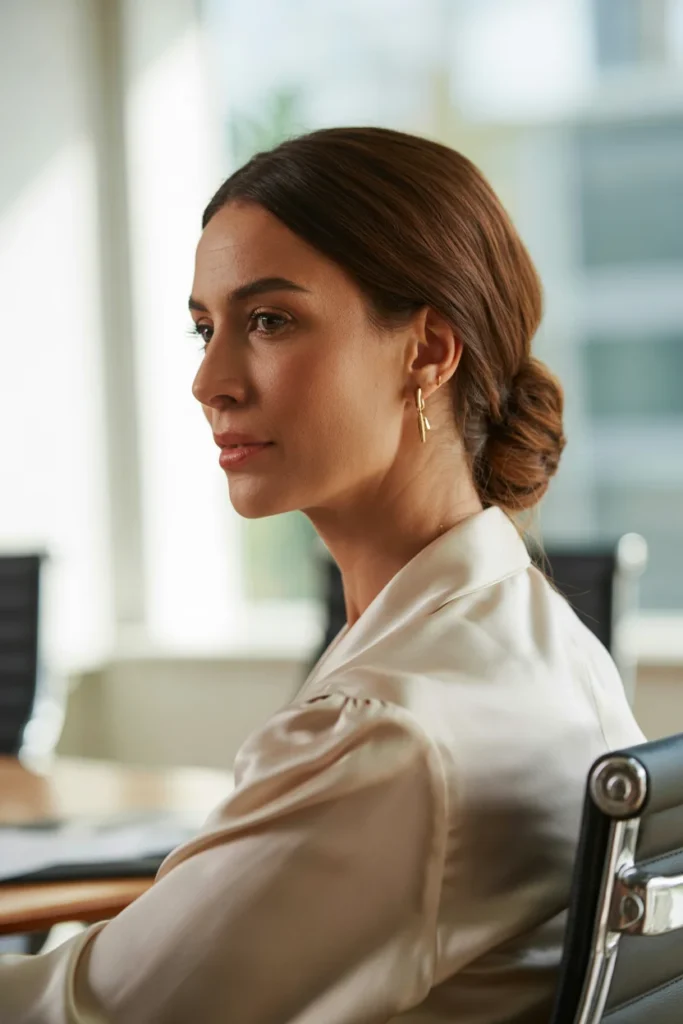
| Feature | Soft Chignon | Structured Chignon |
| Finish | Slightly relaxed | Smooth and controlled |
| Texture | Gentle bends | Straight or brushed |
| Best hair | Medium to thick | Fine to medium |
| Setting | Everyday office | Formal meetings or events |
The chignon can be adjusted to match the atmosphere of your workplace. A soft version leaves a little texture around the bun, while a structured version keeps the entire shape smooth. Positioning the bun low at the nape makes it comfortable for long periods and keeps the overall silhouette understated.
15. Sleek Low Bun
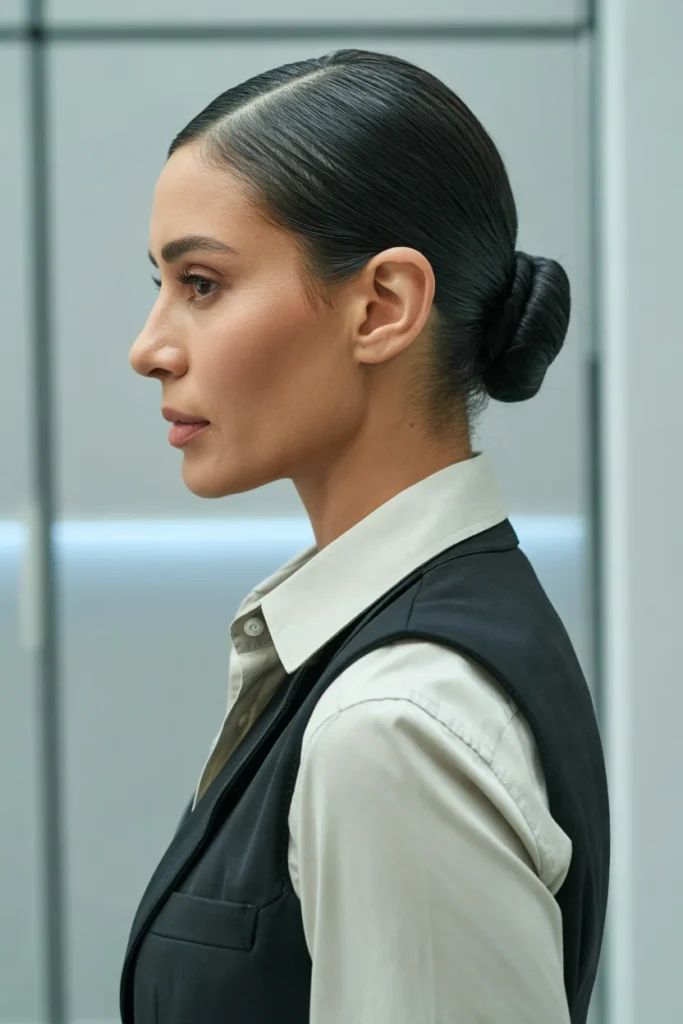
DO
- Brush the hair smoothly toward the nape.
- Use a fine-tooth comb around the hairline for a clean finish.
- Apply a small amount of smoothing cream to the lengths.
- Secure the bun firmly but comfortably.
DON’T
- Pull the hair so tightly that the style becomes uncomfortable.
- Coat the entire scalp with heavy gel.
- Ignore dry or uneven ends.
- Use excessive heat before every styling session.
A sleek low bun relies more on neat preparation than complicated technique. It can be particularly practical for long or medium-length hair on days when you want a distraction-free style. If your hair has natural texture, you can smooth only the outer layer while retaining some of the underlying texture for easier styling.
16. Soft Messy Bun
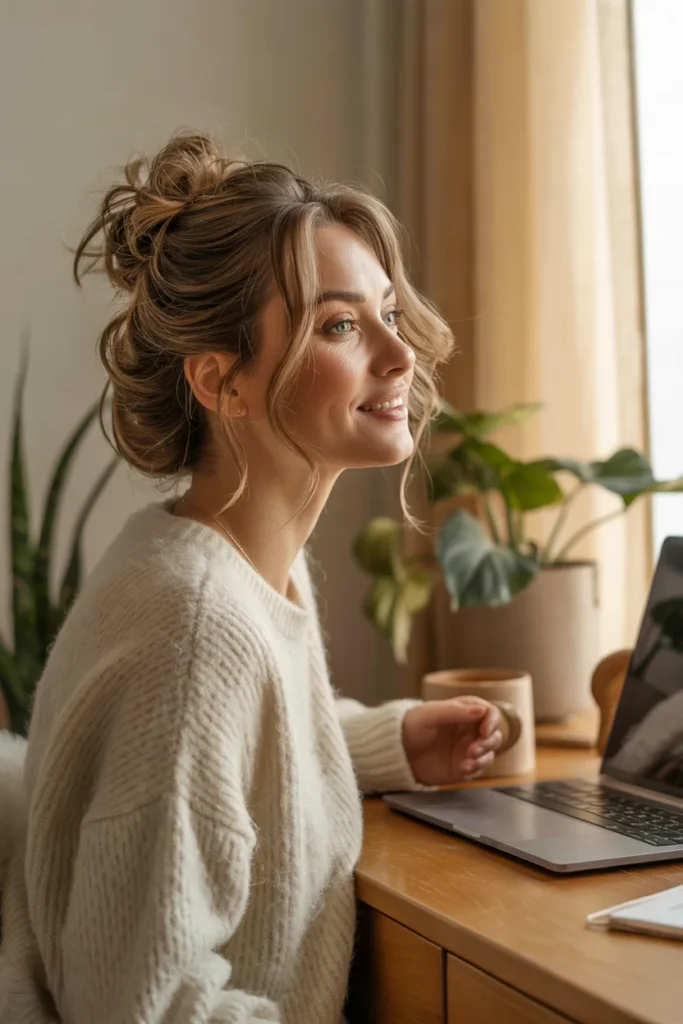
Hair Length: Medium to long
Texture: Straight, wavy, or naturally textured
Volume: Moderate, with gentle looseness
Styling Time: Approximately 5 to 10 minutes
Best For: Business-casual offices and busy mornings
For an office-friendly messy bun, keep the looseness controlled rather than deliberately creating a very undone appearance. Pull a few fine pieces around the temples and soften the bun with your fingers after securing it. A flexible elastic and a few discreet pins can keep the shape comfortable throughout the day.
17. Half-Up Hairstyle With Loose Waves
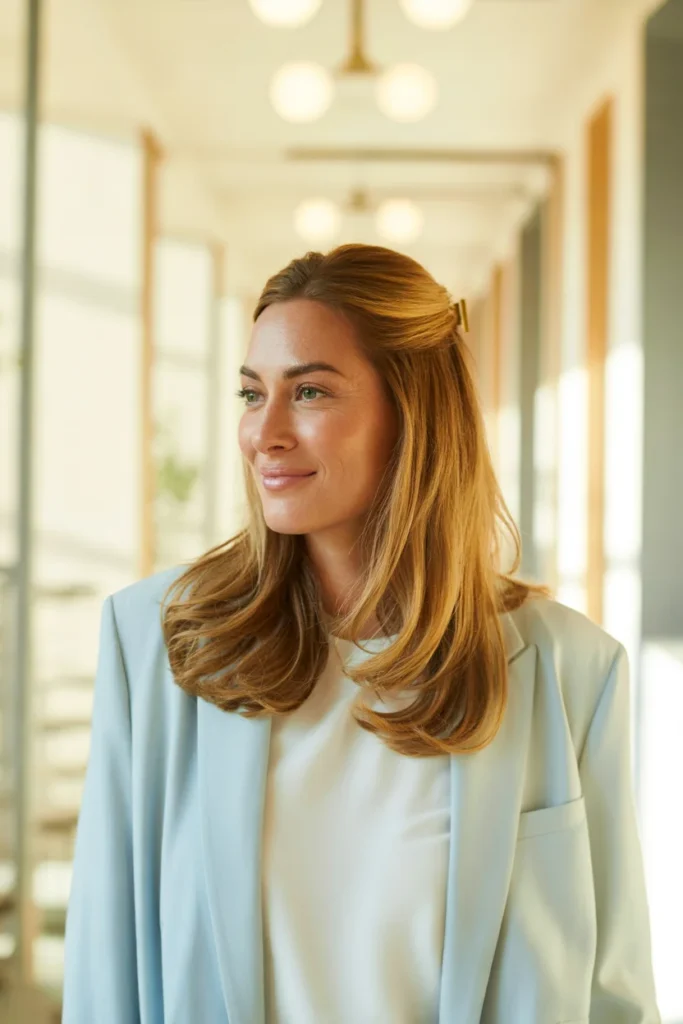
Loose waves combined with a half-up section give long or medium hair a polished balance between wearing it down and keeping it controlled. The upper section can be secured at the crown or slightly lower at the back, while the remaining lengths fall around the shoulders.
The most useful adjustment is controlling the wave size. Larger bends create a relaxed office look, while smaller waves can appear more styled. For fine hair, tease only the underside of the crown if extra height is needed. Avoid excessive backcombing, which can make the hair difficult to detangle later.
18. Half-Up Twist for Medium Hair
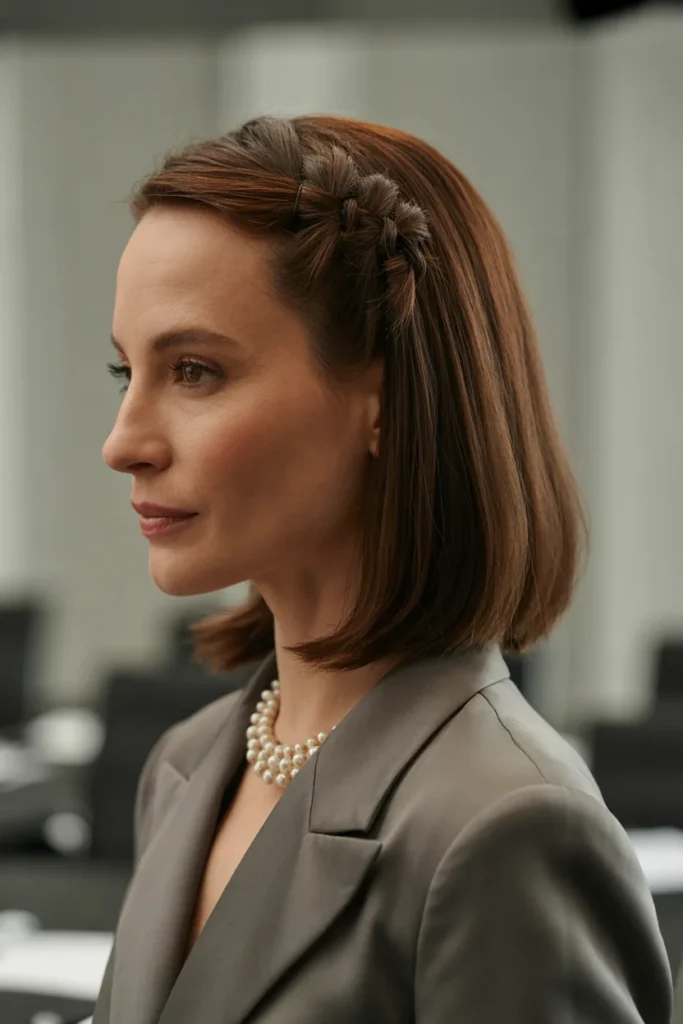
Quick Tip: Take two small sections from either side of the face, twist them backward, and overlap them at the back of the head. Secure them with discreet pins or a small clip, then loosen the twists slightly for softness.
This technique keeps medium-length hair away from the eyes while allowing the rest of the haircut to remain visible. It works particularly well with layered hair because the shorter pieces can contribute to the face-framing effect. A light mist of hairspray around the twist can reduce flyaways without making the hair stiff.
19. Shoulder-Length Waves
BEFORE
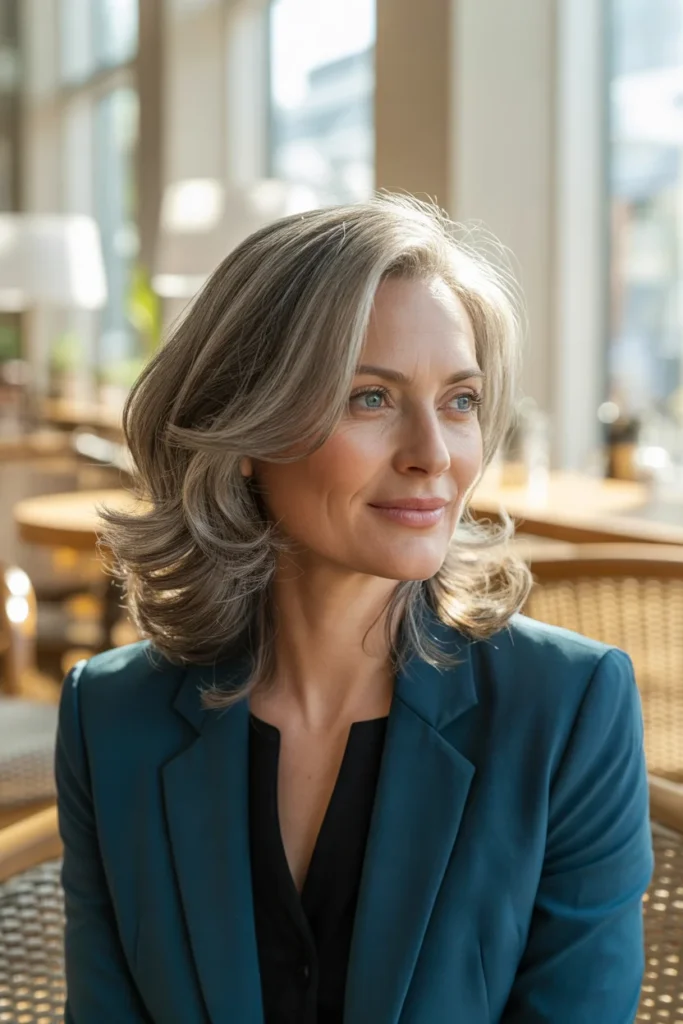
Shoulder-length hair can sometimes fall into an undefined shape, especially when the ends naturally flip outward or the hair has inconsistent wave patterns.
AFTER
Soft, uniform waves give the length a clearer silhouette while retaining movement. The ends can remain slightly relaxed so the hairstyle feels appropriate for everyday work rather than looking heavily curled.
A large-barrel curling tool or heatless overnight method can create gentle bends, depending on your hair type. Always allow heated sections to cool before brushing them out. This helps the wave pattern settle while reducing the need for repeated passes with a hot tool.
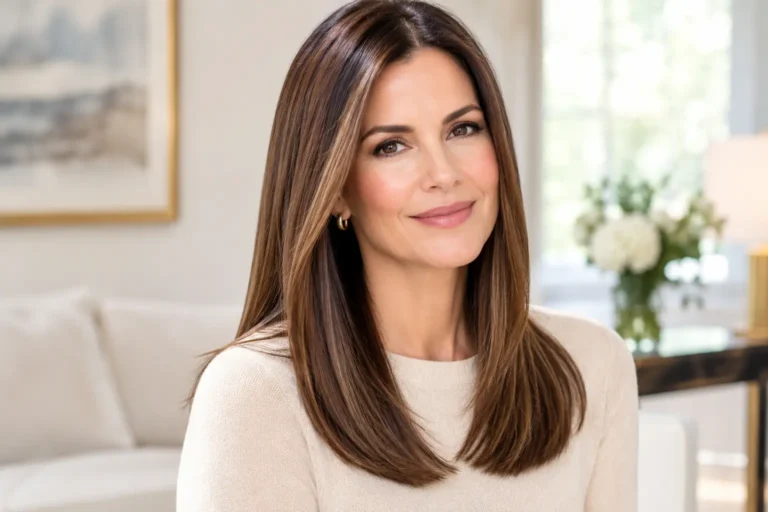
20. Long Straight Hair With Side Part
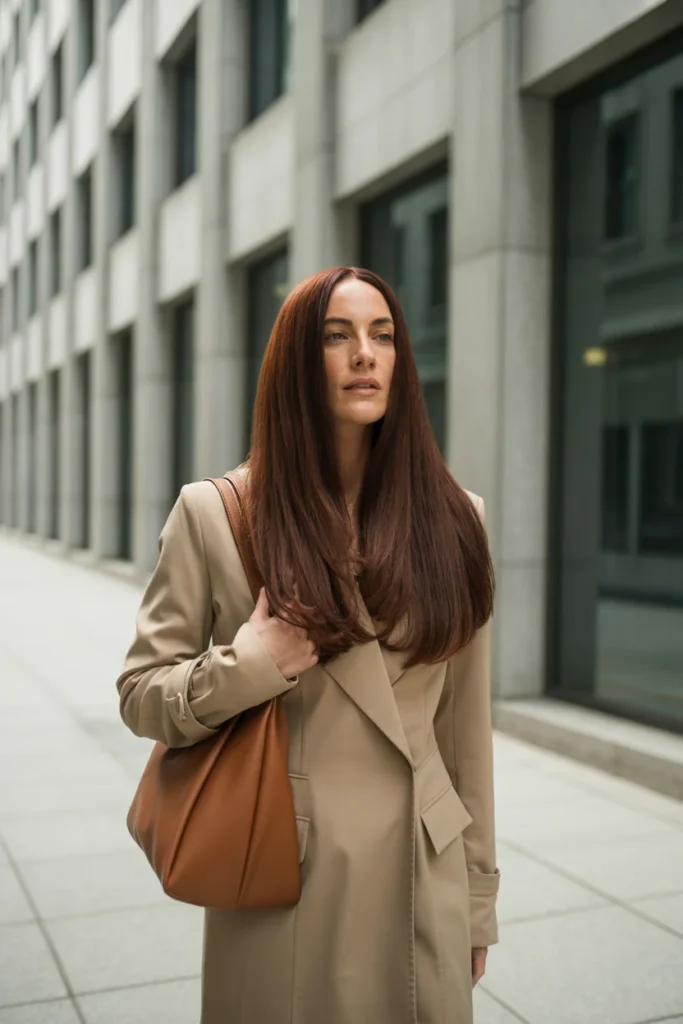
- Detangle: Brush through the lengths gently, beginning at the ends and moving upward.
- Protect: Apply a heat protectant if you plan to blow-dry or flat-iron the hair.
- Set the part: Create a clean side part that follows your natural growth pattern.
- Smooth: Use a paddle brush or flat iron to polish only areas that need extra control.
- Finish: Add a small amount of serum to the ends if they appear dry.
Long straight hair can look particularly refined when the perimeter is healthy and the part is intentional. A side part adds asymmetry without requiring bangs or layers. If your hair is thick, ask for subtle internal weight management rather than removing too much from the visible ends.
21. Long Layered Hair With Curtain Bangs
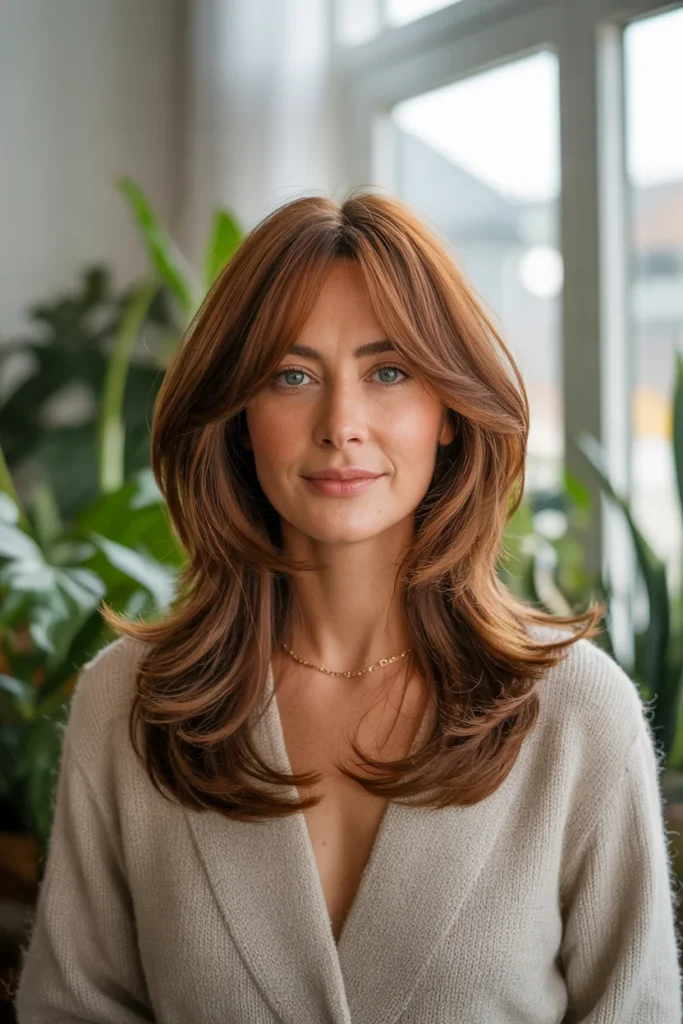
| Feature | Airy Curtain Bangs | Fuller Curtain Bangs |
| Fringe density | Light | Medium to fuller |
| Face framing | Subtle | More noticeable |
| Styling | Quick blow-dry | Round-brush shaping |
| Best for | Low-maintenance routines | More styled looks |
Curtain bangs can be customized by adjusting their starting point and density. A lighter fringe is easier to grow out and generally requires less daily shaping. Fuller bangs create more visible framing but may need regular trimming. Direct the shortest sections away from the face while blow-drying to establish the characteristic opening.
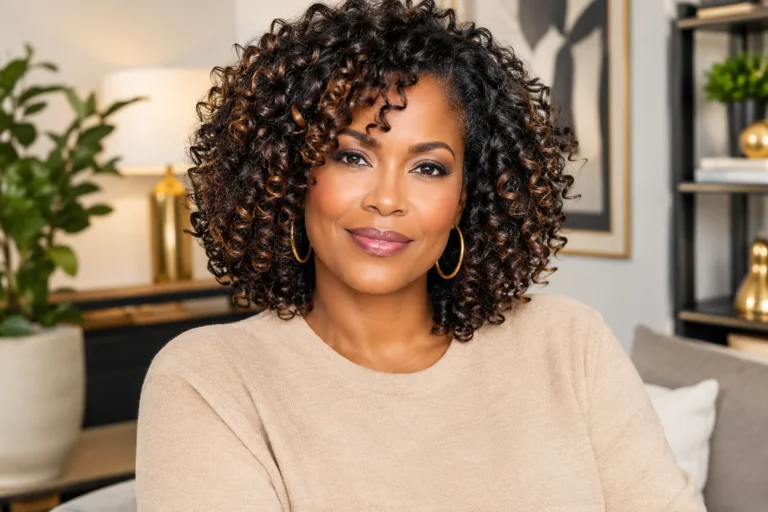
22. Soft Curls With Side Part
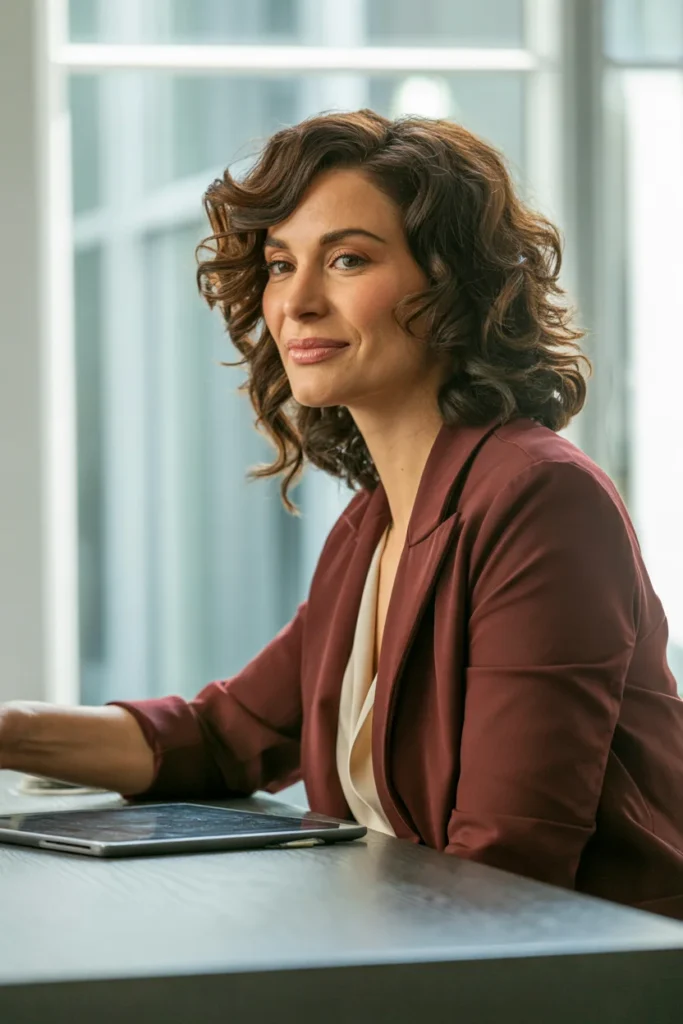
DO
- Define curls with a lightweight cream or mousse appropriate for your texture.
- Use a diffuser on low or moderate heat when needed.
- Keep the side part intentional rather than repeatedly disturbing the roots.
- Smooth only obvious flyaways after the curls have formed.
DON’T
- Brush dry curls aggressively.
- Apply large amounts of heavy oil before the style sets.
- Overheat already dry or fragile lengths.
- Break apart every curl in an attempt to increase volume.
A side part can redistribute volume and create a flattering diagonal line through naturally curly hair. The key for a professional finish is definition without stiffness. Let the curls retain their natural pattern while keeping the hairline and part controlled. Humidity-resistant products can be useful when frizz tends to appear during the workday.
23. Claw Clip Updo for Work
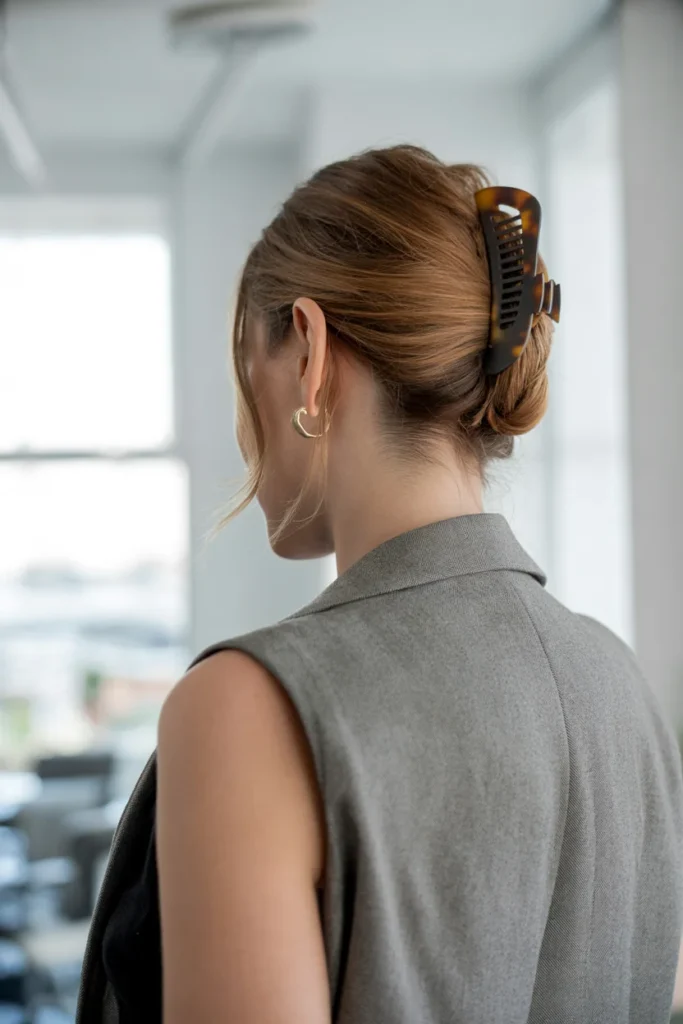
Hair Length: Medium to long
Hair Type: Straight, wavy, or curly
Skill Level: Beginner-friendly
Tools: Large claw clip, brush, optional pins
Best For: Casual and business-casual workplaces
Gather the hair at the back of the head, twist it upward, and secure the folded length with a claw clip. For a cleaner result, smooth the sides first. A few face-framing strands can remain loose, but keep the overall shape controlled. Choose a clip that holds the full thickness of your hair without pulling.
24. Braided Low Bun
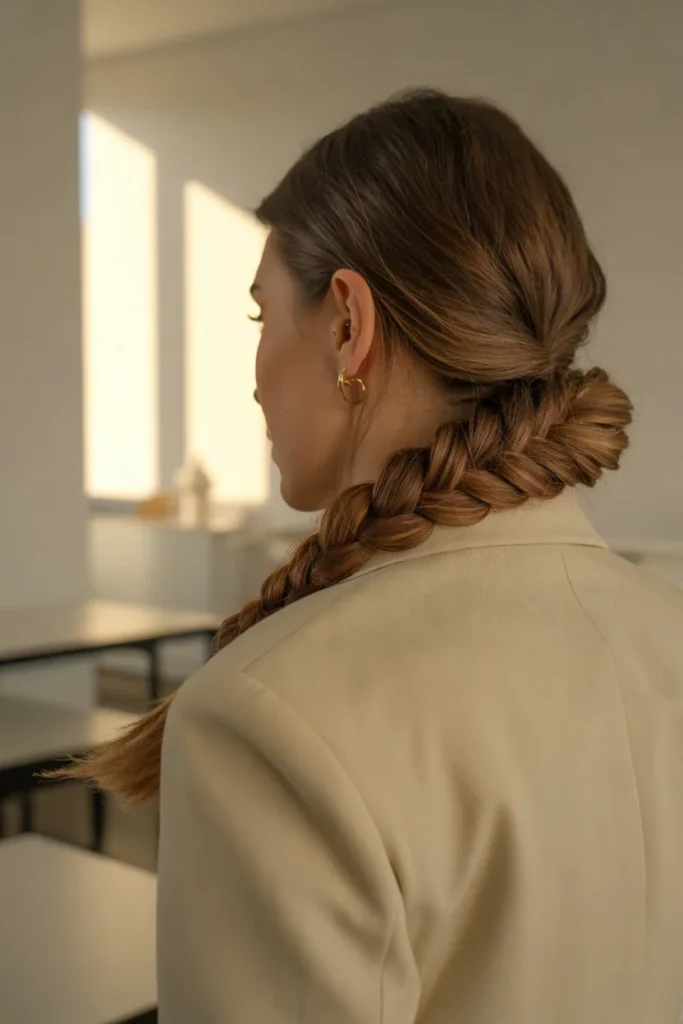
A braided low bun adds visual detail without requiring an elaborate updo. Begin with a low ponytail, braid the length, and wrap the braid around its base. Pin the bun underneath so the fasteners remain discreet. The braid also gives fine or slippery hair additional texture, which can make the bun easier to secure.
For thicker hair, a looser braid can prevent the finished bun from becoming too bulky. For fine hair, gently pull the braid outward before wrapping it to create a little more width. This style works particularly well for days when you need your hair secured during meetings or a busy schedule.
25. Sophisticated Side-Swept Hairstyle
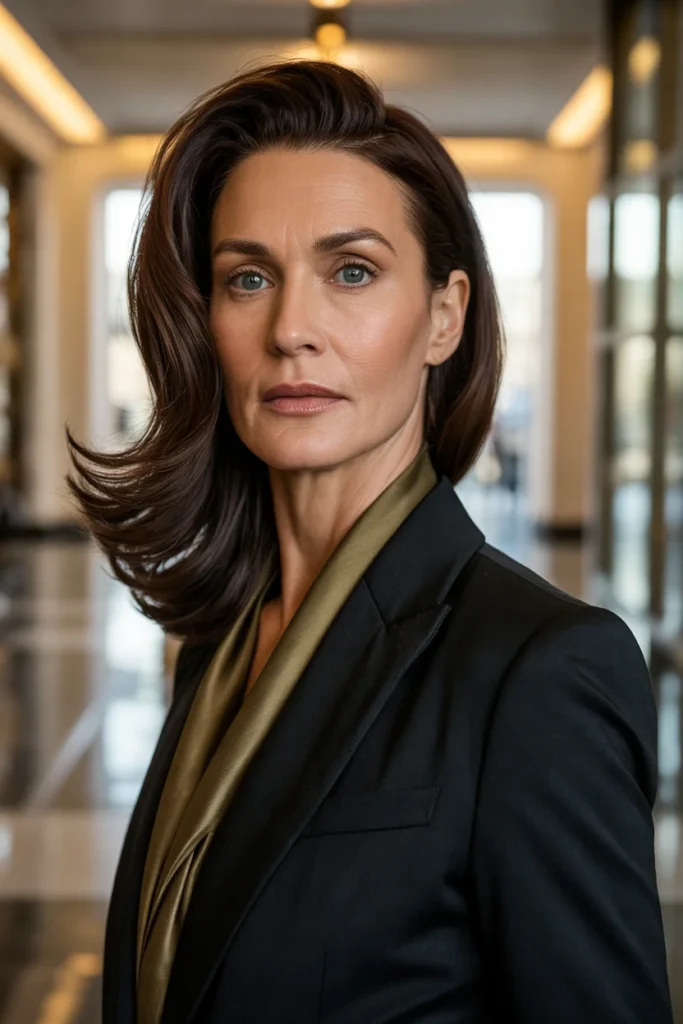
A side-swept hairstyle brings together polished movement and face-framing softness. The hair can be worn straight with the front section directed across the forehead, or styled with loose waves that sweep toward one shoulder. The asymmetrical arrangement adds interest without requiring an elaborate updo.
For a formal office setting, keep the surface smooth and the ends controlled. For everyday wear, a little texture through the mid-lengths can make the style feel less rigid. If the hair is very fine, create the side part before styling and use a lightweight root product to help maintain the direction.
How to Choose the Right Professional Hairstyle After 40
The most suitable work hairstyle depends on more than age. Start with your natural hair texture, the amount of time you want to spend styling, and the level of formality expected at work.
Consider your hair length. Short pixies and bobs can reduce daily styling time, while medium and long hair offer more options for ponytails, buns, twists, and half-up styles.
Think about density. Fine hair often benefits from strategic layering rather than excessive texturing. Thick hair may need internal weight removed so the finished shape does not become bulky.
Match the style to your routine. If mornings are busy, a low ponytail, claw clip updo, polished bob, or low bun may be more practical than a hairstyle requiring extensive heat styling.
Consider face framing. Side parts, curtain bangs, side-swept fringe, and graduated layers can all change how the hair surrounds the face. The best placement depends on your proportions and natural growth pattern.
Remember your workplace. A sleek bun or French twist may suit a formal corporate environment, while soft waves, a layered bob, or a claw clip style may fit a more relaxed workplace.
Professional Hairstyle Tips for the Workplace
- Keep the finish intentional. Even a relaxed hairstyle looks polished when the part, ends, and hairline are controlled.
- Use lightweight products. Too much product can make hair look greasy or weighed down, particularly when applied close to the scalp.
- Protect your hair from heat. If you regularly use a blow dryer, curling iron, or flat iron, use an appropriate heat protectant and avoid unnecessary repeated passes.
- Plan around humidity. Naturally wavy or curly hair may need products that provide flexible hold and frizz control on humid days.
- Do not ignore trims. Bobs, pixies, bangs, and layered cuts depend on their shape, so regular maintenance helps preserve the intended silhouette.
- Work with your texture. Straightening naturally curly hair every morning may require considerably more time and heat than defining the existing curl pattern.
- Keep emergency tools nearby. A small brush, elastic, pins, or compact claw clip can rescue a ponytail, bun, or loose style during a long workday.
- Prioritize comfort. A hairstyle should remain secure without creating unnecessary tension around the hairline or scalp.
Conclusion
The right professional hairstyle can make a workday routine simpler while still giving you room to express your personal style. From polished bobs and pixies to soft waves, low buns, ponytails, and practical half-up styles, there are plenty of options for different hair lengths, textures, and maintenance preferences.
When choosing Professional Hairstyles for Women Over 40, focus on the shape that works with your natural hair and the amount of styling time you realistically have. Save this collection on Pinterest for future workwear inspiration, then choose a few styles that suit your hair type, face shape, workplace, and daily routine.
Frequently Asked Questions
What are the best professional hairstyles for women over 40?
Professional hairstyles can include polished bobs, pixie cuts, shoulder-length layers, sleek ponytails, low buns, French twists, soft waves, and half-up styles. The most practical choice depends on hair texture, length, maintenance preferences, and workplace expectations.
Is short hair more professional for women over 40?
Short hair is not inherently more professional than medium or long hair. A well-maintained pixie, bob, or longer hairstyle can all look polished. The overall finish, shape, and suitability for the workplace matter more than simply choosing a particular length.
What is the best hairstyle for a business office?
A sleek bob, polished pixie, low bun, French twist, straight lob, or controlled side-swept style can work well in a business office. The appropriate choice depends on the organization’s dress and grooming expectations.
Are bangs appropriate for professional hairstyles?
Yes. Side-swept bangs, curtain bangs, and softly blended fringe can all be incorporated into professional hairstyles. Bangs should be shaped and maintained so they stay comfortable and do not repeatedly fall into the eyes during the workday.
How can I make my work hairstyle look polished all day?
Start with clean sectioning, appropriate styling products, and a finish suited to your hair texture. Use flexible hold instead of excessive product, secure loose styles comfortably, and keep simple tools such as pins, an elastic, or a small brush available for quick touch-ups.