24 Blonde Hair Color Ideas for Women Over 40 That Glow
Finding the right blonde hair color ideas after 40 is less about chasing youth and more about choosing a shade that brightens your skin, blends gray gracefully, and fits your routine. This guide covers 24 flattering tones, from soft honey and creamy beige to dimensional balayage and face-framing highlights.
Each idea explains what the color looks like, which hair types and skin tones it suits, and how much upkeep to expect. You will also find advice on picking warm or cool tones, keeping blonde shiny, and answers to common questions about gray coverage and touch-ups. Save your favorites as you scroll, then bring the photos to your colorist.
1. Honey Blonde Hair Color
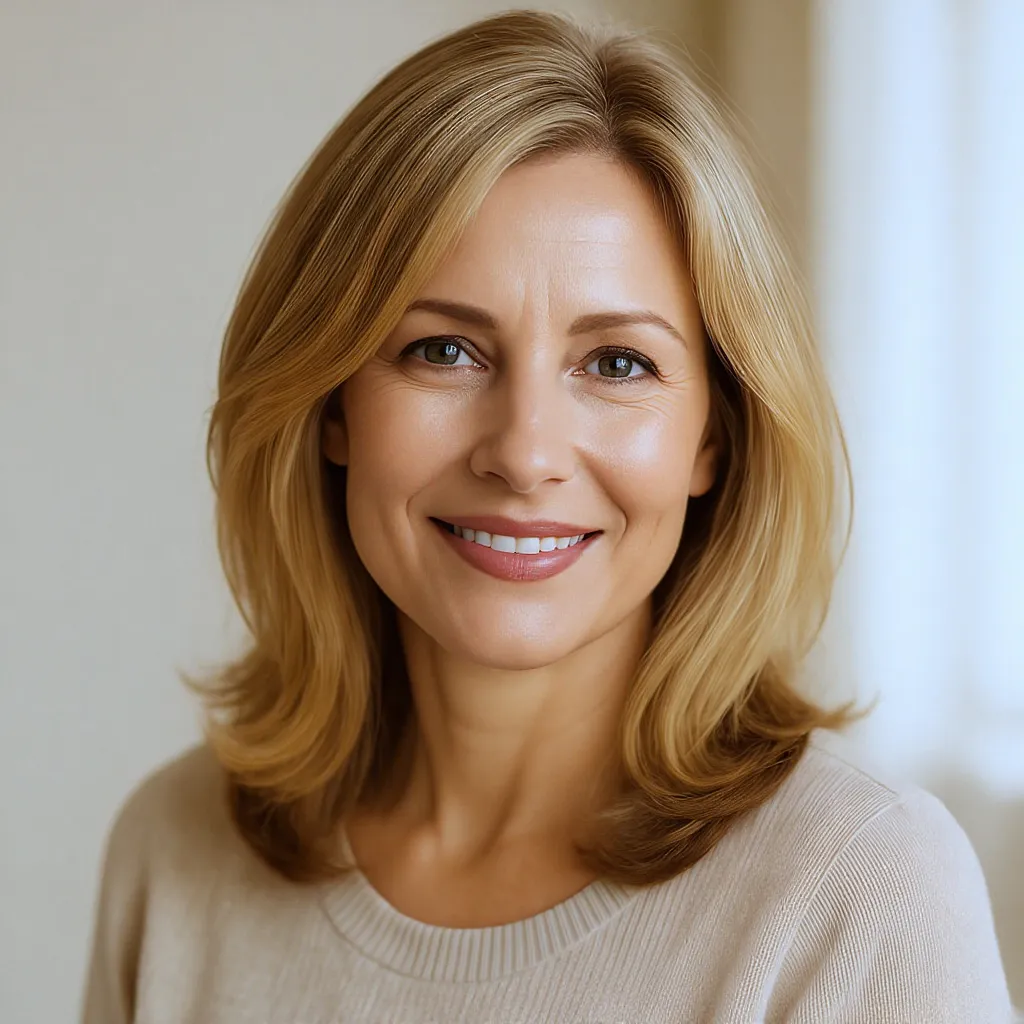
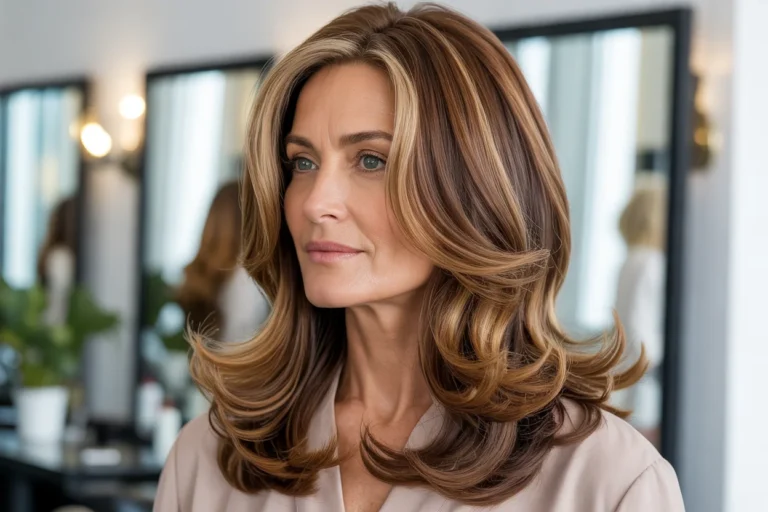
Honey blonde combines golden and caramel undertones to create a rich, sunlit finish. The color looks especially appealing on layered bobs, shoulder-length cuts, and long hairstyles with soft waves. Its mixture of warm tones gives the hair visual depth, so the finished look does not appear like one flat shade of blonde.
For women over 40, honey blonde can be a lovely option if you prefer warmth rather than a very pale color. It often complements warm and neutral complexions, although the exact shade should be adjusted to your skin’s undertones. Ask your colorist for fine highlights and a slightly deeper root if you want a softer grow-out.
2. Champagne Blonde Hair
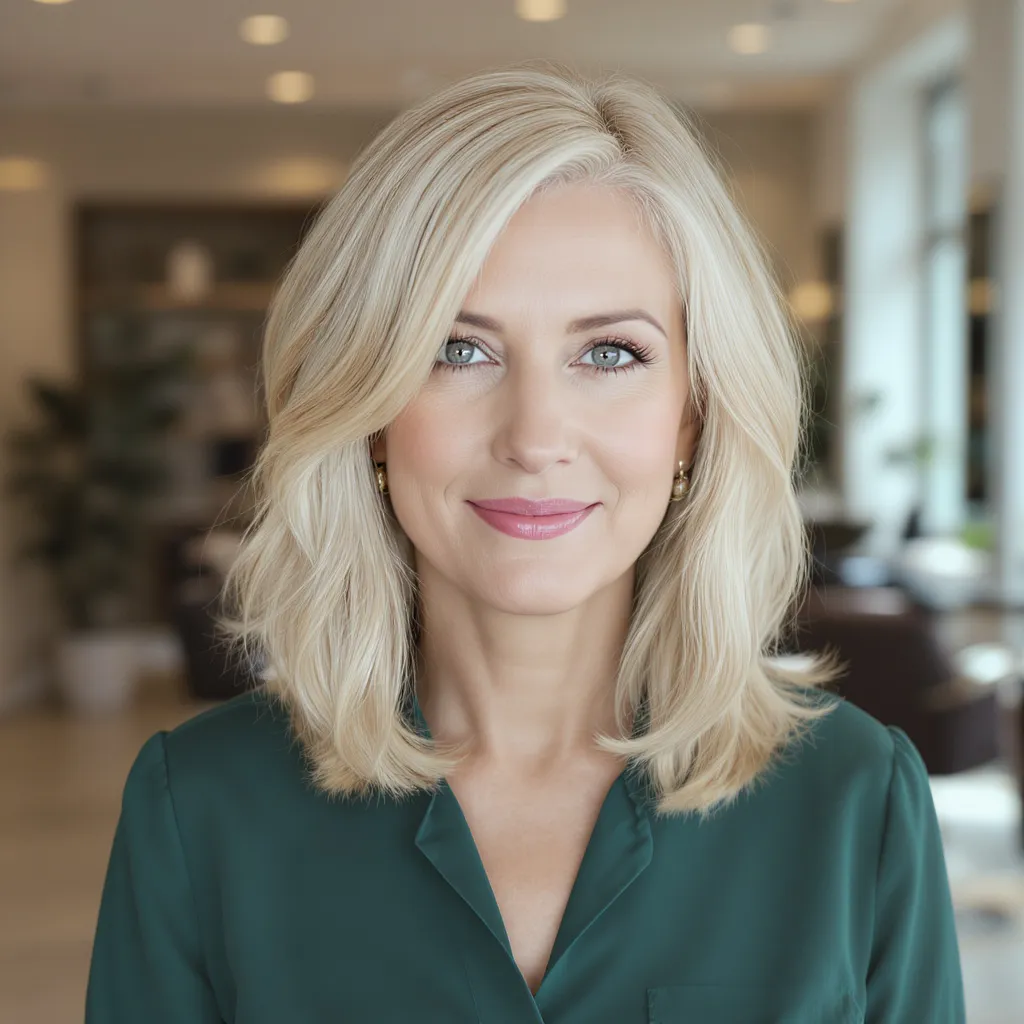
- Color tone: A balanced blend of beige, neutral gold, and soft cool blonde.
- Best haircuts: Shoulder-length layers, a sleek lob, or a softly textured bob.
- Styling finish: Loose waves show the subtle variation between lighter and darker strands.
- Maintenance: Purple shampoo may help control unwanted yellow tones when used as directed.
- Salon request: Ask for a champagne toner tailored to your starting color and complexion.
Champagne blonde offers a polished alternative to bright platinum. Its balanced undertones can suit women who find golden blonde too warm but prefer something softer than icy silver. A smooth blowout makes the shade look refined, while loose curls create a more relaxed finish. For fine hair, delicate highlights can add the appearance of dimension without requiring heavy layering.
3. Golden Blonde Hair Color
Quick Tip:
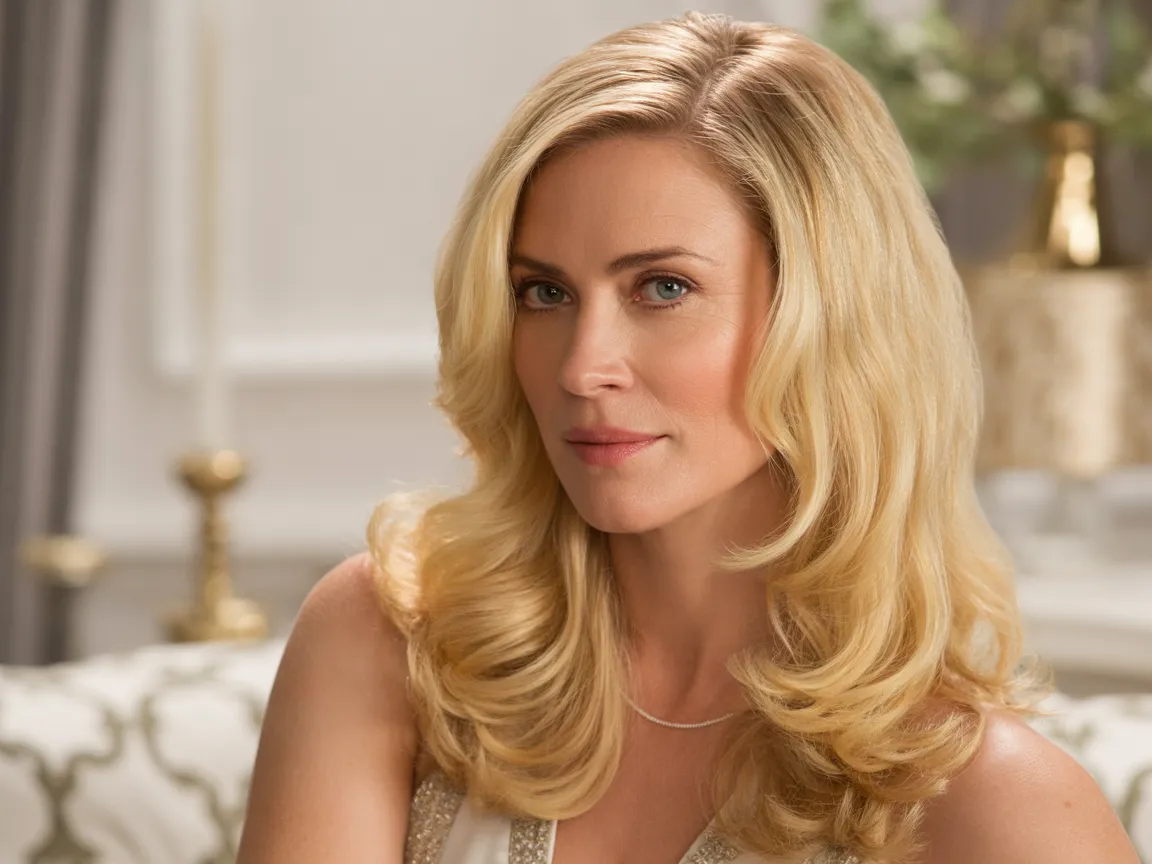
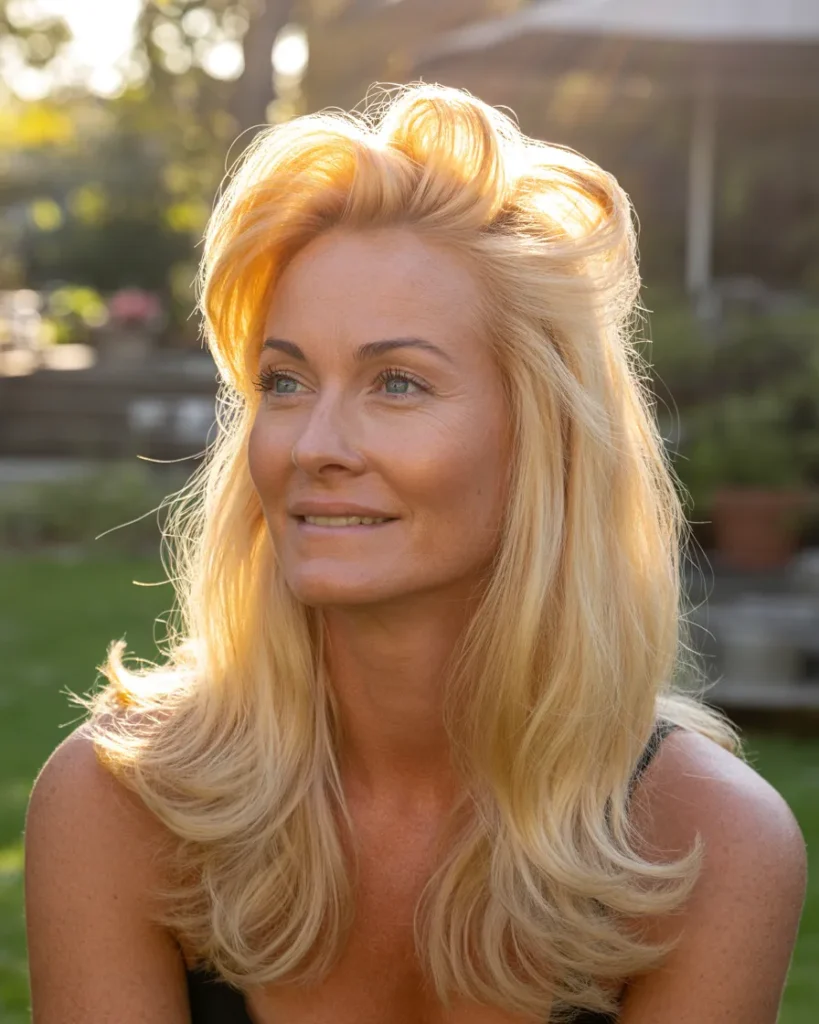
Use a heat protectant before blow-drying golden blonde hair with a round brush. Direct the airflow downward along the hair shaft to encourage a smoother finish and help reduce frizz. A lightweight shine serum on the mid-lengths and ends can enhance the golden reflections without weighing down the roots.
Golden blonde has a sunny, luminous appearance that works beautifully on long layers, rounded bobs, and softly curled hairstyles. Its yellow-gold undertones make it particularly appealing for warm complexions, while a more neutral golden shade may suit other skin tones. Keep the color balanced with conditioning treatments, especially if your hair has been lightened several levels.
4. Beige Blonde Hair
BEFORE
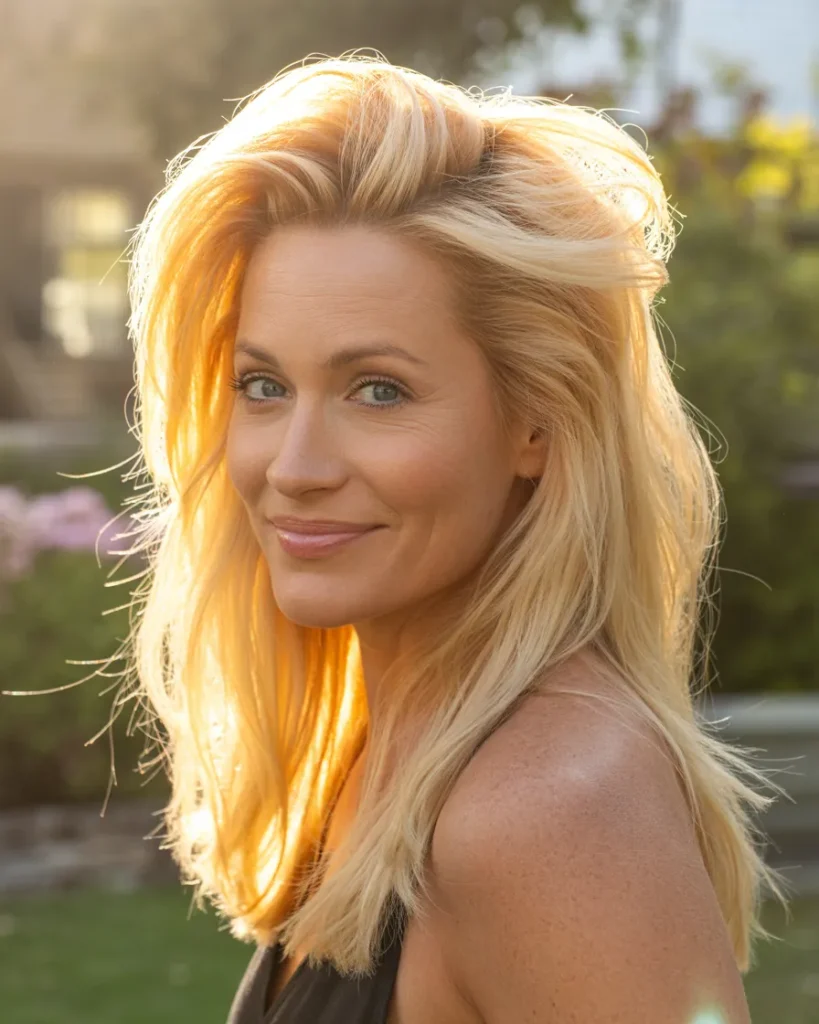
Hair with a strong yellow cast or uneven highlights can look less blended, especially when several shades have grown out at different rates. The ends may also appear lighter than the roots.
AFTER
A beige blonde toner brings the color closer to a soft, neutral finish. Fine highlights and a natural-looking root blend help create a more balanced result, with gentle contrast rather than stark stripes.
To maintain this look, ask your colorist whether a gloss or toner is appropriate for your hair. Beige blonde suits straight lobs, soft layers, and natural waves. Because the shade sits between warm and cool blonde, it can be adapted to many complexions rather than treated as a one-shade-fits-all color.
5. Creamy Blonde Hair
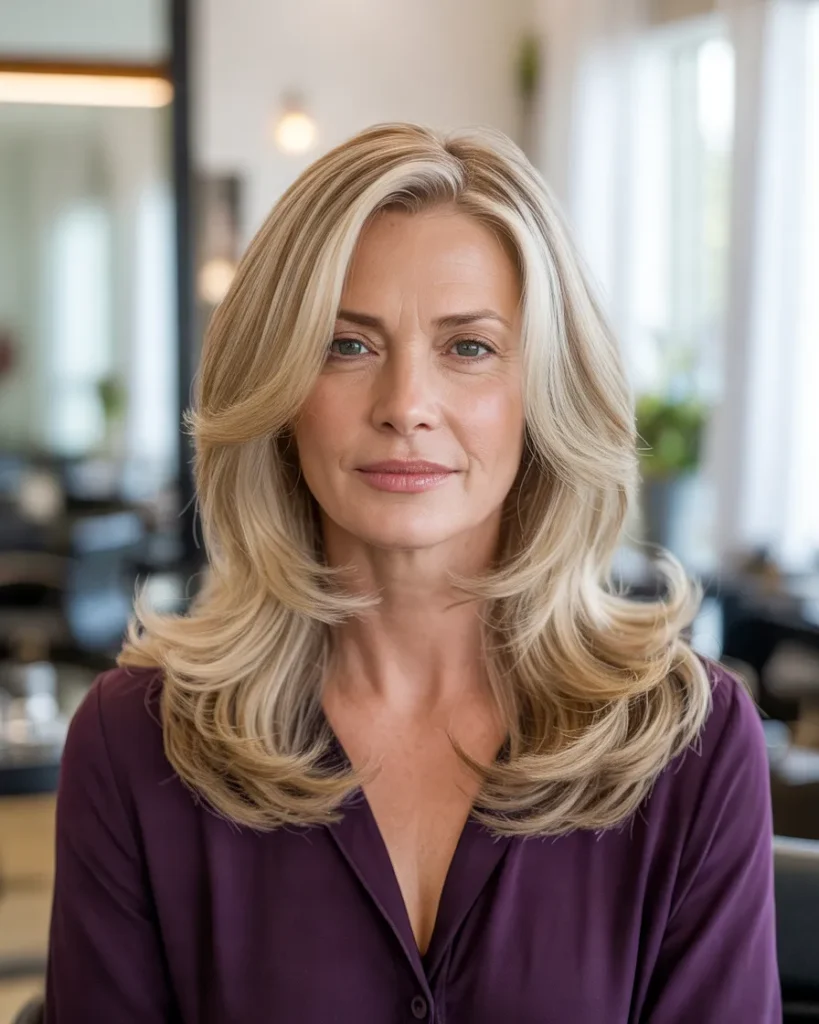
- Prepare the hair: Start with clean, detangled hair and apply a heat protectant if you plan to blow-dry.
- Build a smooth shape: Use a round brush to lift the roots slightly while keeping the ends soft.
- Add gentle movement: Wrap a few sections around a large-barrel curling iron, leaving the ends slightly relaxed.
- Finish lightly: Separate the waves with your fingers and use a small amount of lightweight serum.
Creamy blonde has a soft, milky appearance with balanced warmth. It looks especially elegant on collarbone-length cuts, long layers, and rounded bobs. The color is a good choice for women who want a bright blonde without an overly yellow or icy finish. Your colorist can adjust the level of warmth to complement your complexion and natural root color.
See Also 23 Sleek Straight Hairstyles for Women Over 40
6. Strawberry Blonde Hair
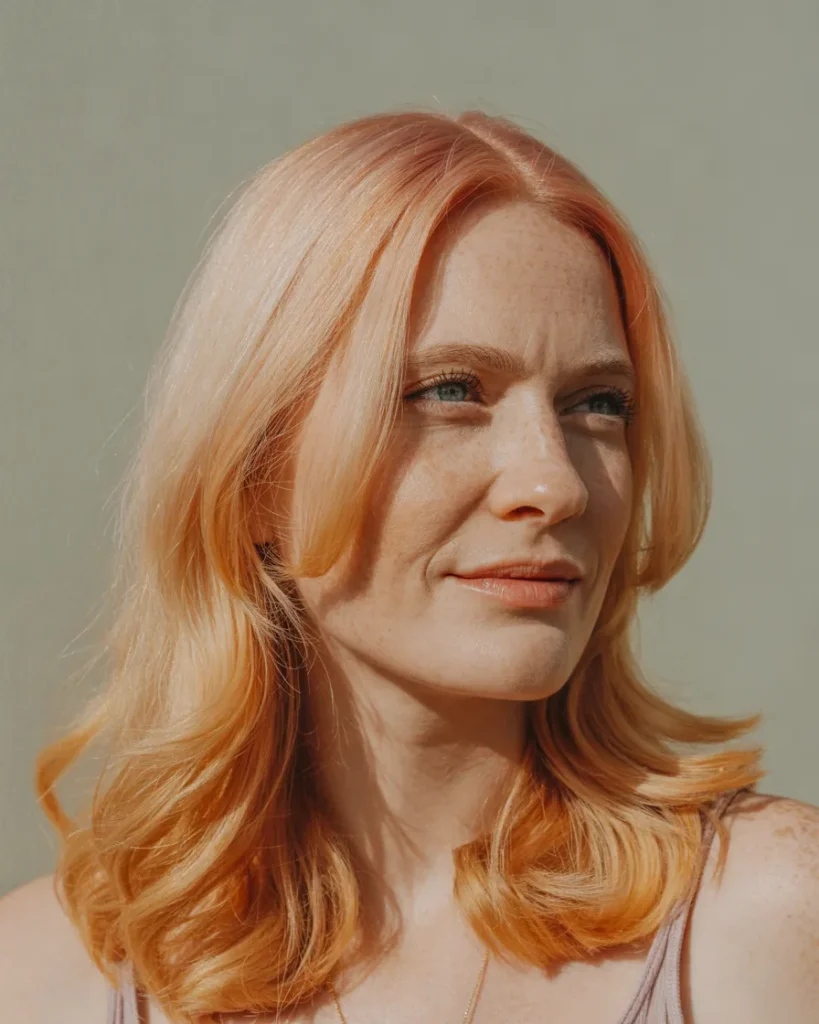
| Feature | Soft Strawberry Blonde | Copper-Rich Strawberry Blonde |
| Color effect | Delicate peach-gold reflections | More noticeable copper and rose warmth |
| Overall look | Subtle and natural-looking | Richer and more expressive |
| Best styling | Loose waves and layered cuts | Textured bobs and voluminous curls |
| Color upkeep | Refresh warmth when needed | May need more frequent color refreshing |
Strawberry blonde blends blonde with gentle red or copper undertones, creating a warm, distinctive finish. The softer version works well for women who want only a hint of rosy warmth, while a copper-rich variation creates a stronger statement. Both shades can complement fair and warm complexions, but a customized formula helps prevent the color from looking too orange or too pink.
7. Buttery Blonde Hair
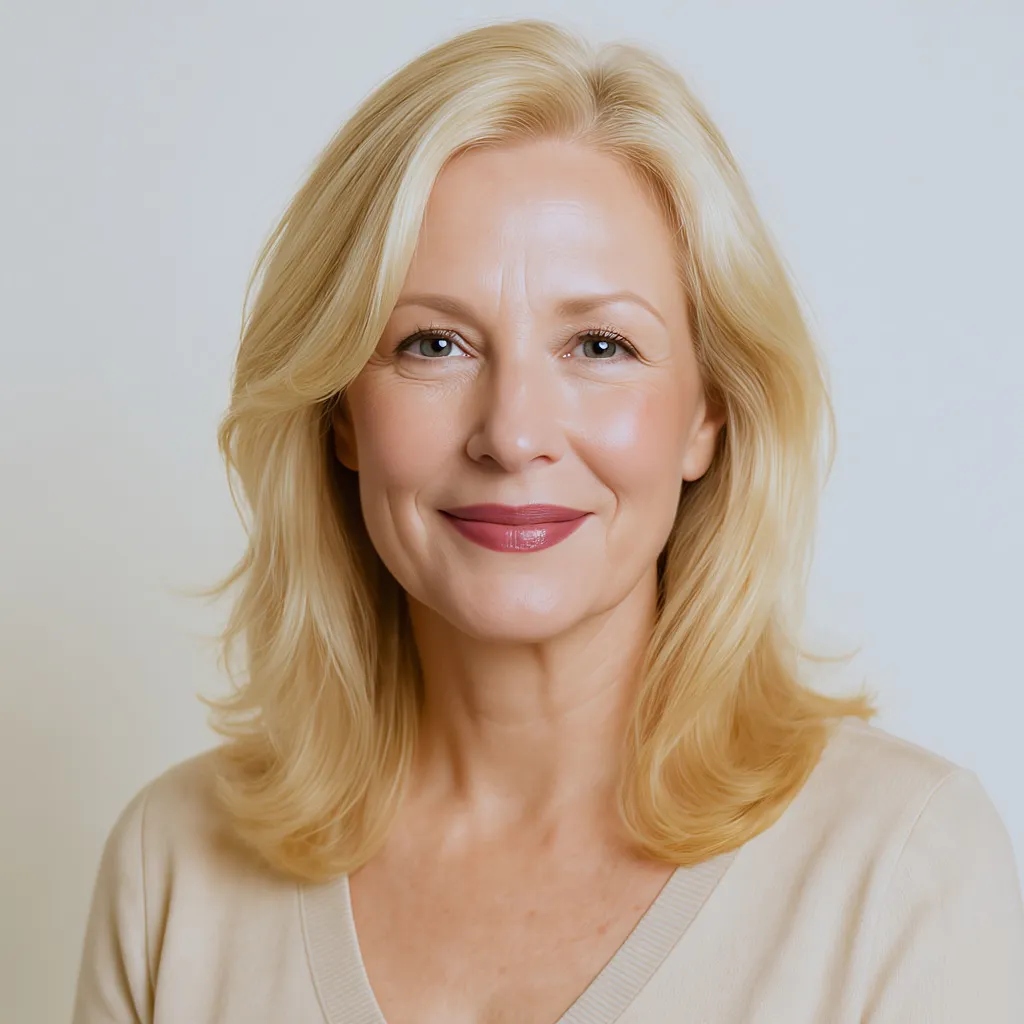
DO:
- Choose soft golden tones if you enjoy a warm, luminous finish.
- Keep the roots slightly deeper for a more natural transition.
- Use a color-safe conditioner to help maintain softness.
- Add loose bends to layered hair to show off the different blonde tones.
DON’T:
- Overuse purple shampoo, which can dull warmth when used too frequently.
- Apply heavy oils at the roots if your hair becomes greasy quickly.
- Ignore dryness after lightening treatments.
- Expect the same buttery tone on every starting hair color.
Buttery blonde features a creamy golden finish that looks especially pretty with shoulder-length layers and soft curtain bangs. Its warmth can complement golden or peachy complexions, while a less yellow version may suit neutral undertones. Ask for a controlled blend of creamy and golden tones so the result remains soft rather than brassy.
8. Ash Blonde Hair Color
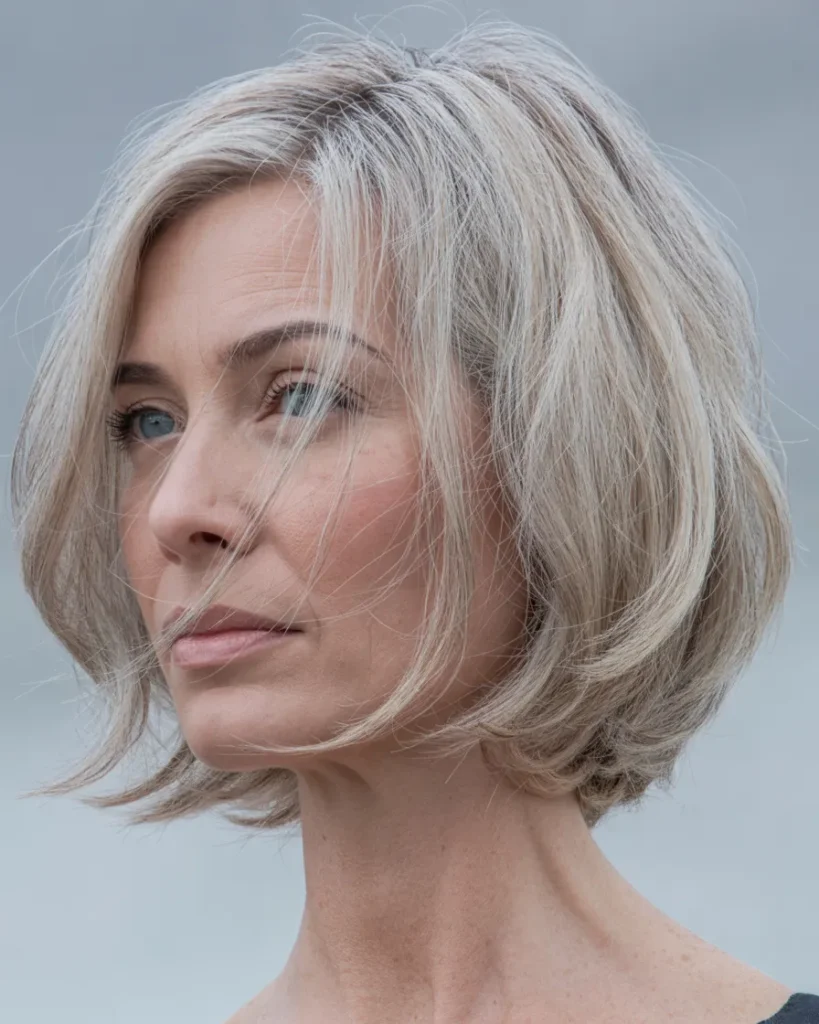
Hair Length: Short pixies to long layers
Undertone: Cool, smoky, and slightly silvery
Best Styling: Sleek straight hair or soft, brushed-out waves
Maintenance: Regular toning may be needed to manage yellow undertones
Ash blonde creates a sophisticated, muted look that pairs beautifully with modern bobs, textured pixies, and shoulder-length cuts. Its cool undertones can be particularly flattering on cool or neutral complexions. If your hair is naturally dark, reaching a light ash shade may require several salon sessions, so discuss hair condition and realistic color goals before lightening.
9. Caramel Blonde Highlights
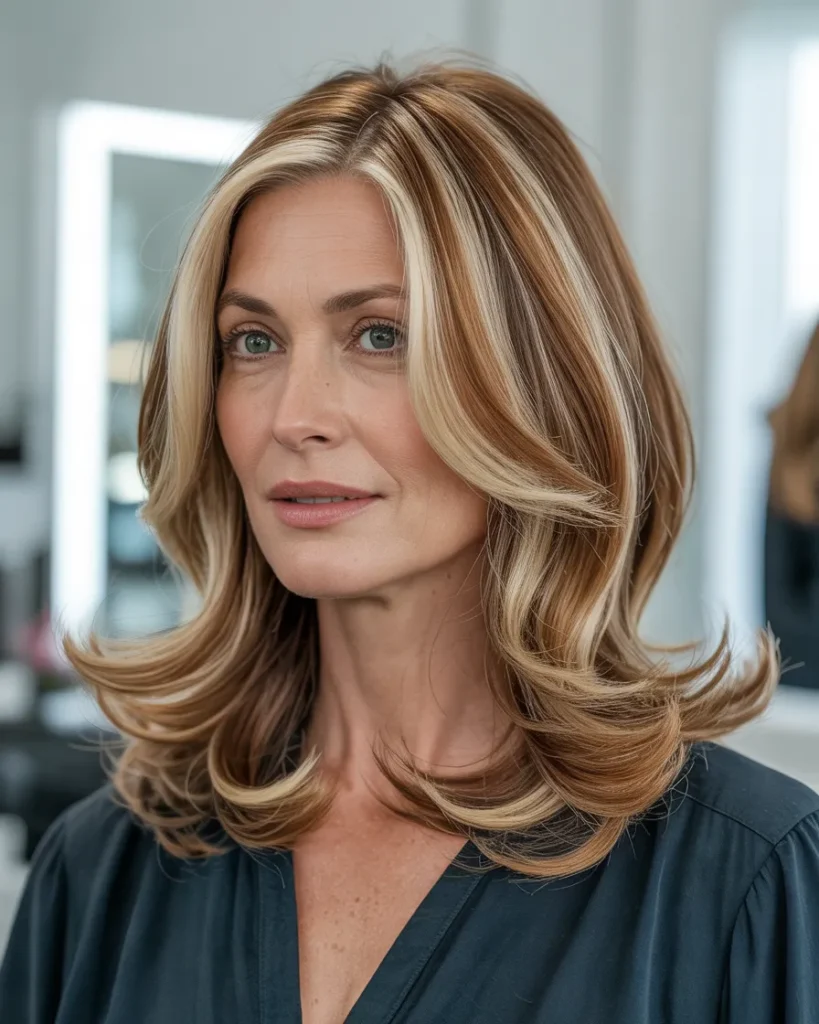
Caramel blonde highlights add ribbons of golden beige and light caramel to a blonde or light brown base. The contrast is especially attractive on layered hair because the lighter pieces follow the movement of the cut. A long bob with face-framing layers is a lovely option, although the technique can also work on longer hair.
These highlights suit women who want warmth and dimension without committing to an all-over blonde shade. Ask your colorist to concentrate a few lighter pieces around the face and through the mid-lengths, keeping the root area softly blended. This approach can make regrowth less noticeable than a solid color, depending on your natural base and the placement of the highlights.
10. Sandy Blonde Hair
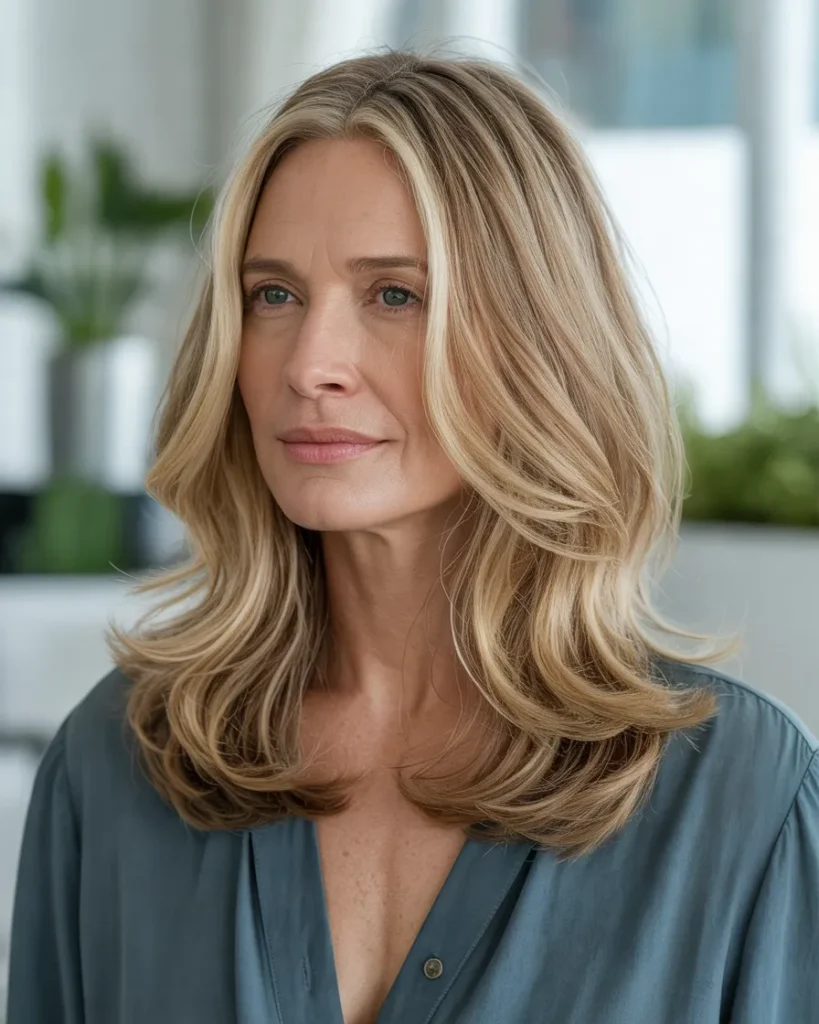
- Color palette: Neutral beige mixed with soft golden and slightly cool blonde tones.
- Ideal haircut: A shoulder-length lob with subtle layers or a long, softly graduated cut.
- For fine hair: Keep layers restrained and use a lightweight volumizing mousse at the roots.
- For thick hair: Add internal layers to reduce bulk without sacrificing the overall length.
- Styling suggestion: Create relaxed waves to reveal the different sandy blonde tones.
Sandy blonde sits between golden and ash blonde, making it a versatile choice for women who prefer a natural-looking color. It works well with casual everyday styling, from a smooth blowout to a loose ponytail. A blended root and delicate highlights can also make the color easier to maintain than a uniform, very light blonde.
11. Pearl Blonde Hair
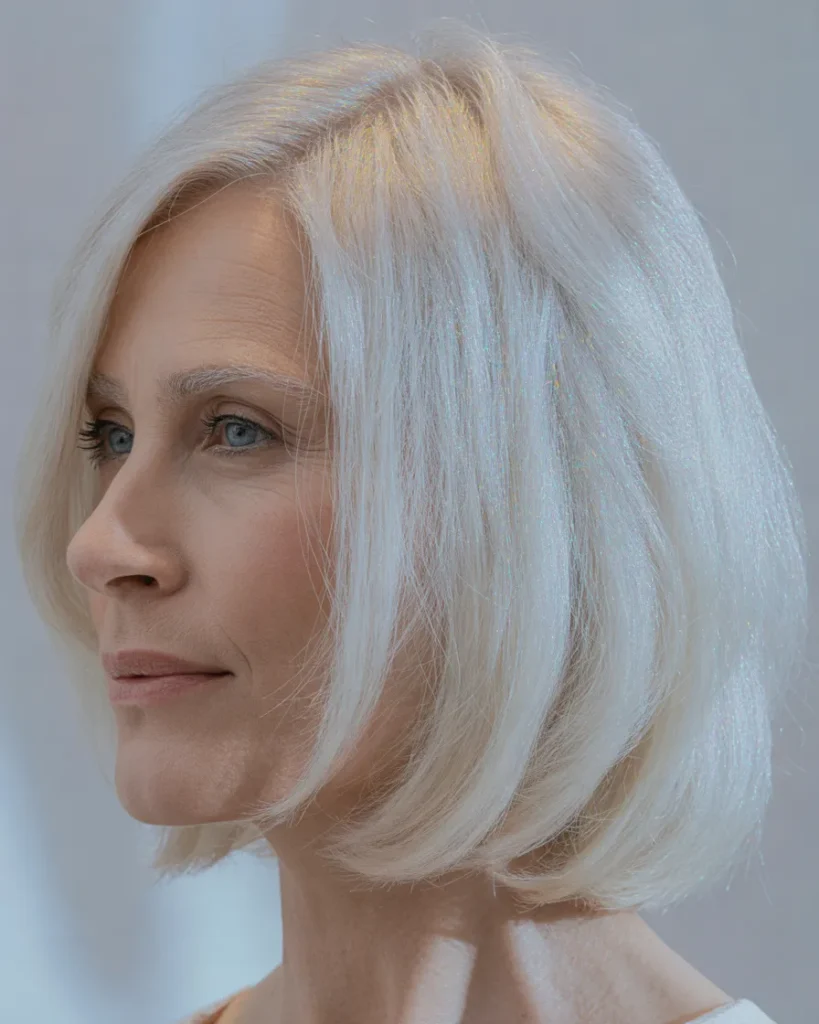
Quick Tip:
Pearl blonde can develop unwanted yellow tones as the toner fades. Ask your colorist which toning shampoo is suitable for your hair, and use it according to the product directions rather than automatically washing with it every time. A moisturizing conditioner helps keep lightened lengths feeling softer.
Pearl blonde has a luminous, pale finish with subtle silvery or iridescent undertones. It looks striking on a sleek bob, a polished pixie, or shoulder-length hair styled with gentle curves. Because this shade is quite light, the result depends heavily on your starting color and hair condition. Women with naturally darker hair may need gradual lightening to achieve it while protecting the integrity of their strands.
See Also 15 Wolf Cut Hairstyles for Women Over 40 to Try
12. Vanilla Blonde Hair
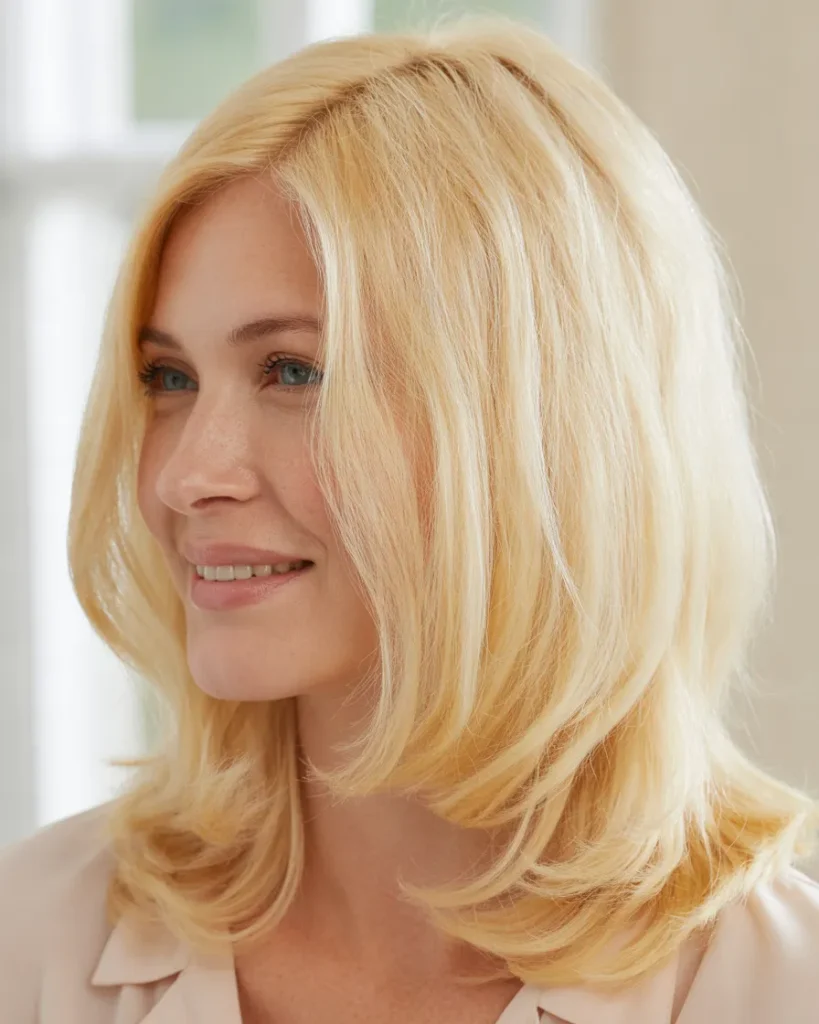
BEFORE
An all-over blonde shade can sometimes look flat when the roots, mid-lengths, and ends have almost identical color. Previously colored hair may also show uneven warmth as it grows.
AFTER
Vanilla blonde introduces a creamy, pale blonde tone with gentle warmth. A slightly deeper root and a few brighter pieces around the face create more dimension, helping the color look softer and more natural.
This shade pairs beautifully with a blunt lob, long face-framing layers, or a classic shoulder-length cut. For women over 40, the most wearable version is often one that balances brightness with a little depth. Regular conditioning and careful heat styling are important because achieving pale blonde can involve substantial lightening.
13. Bronde Hair Color
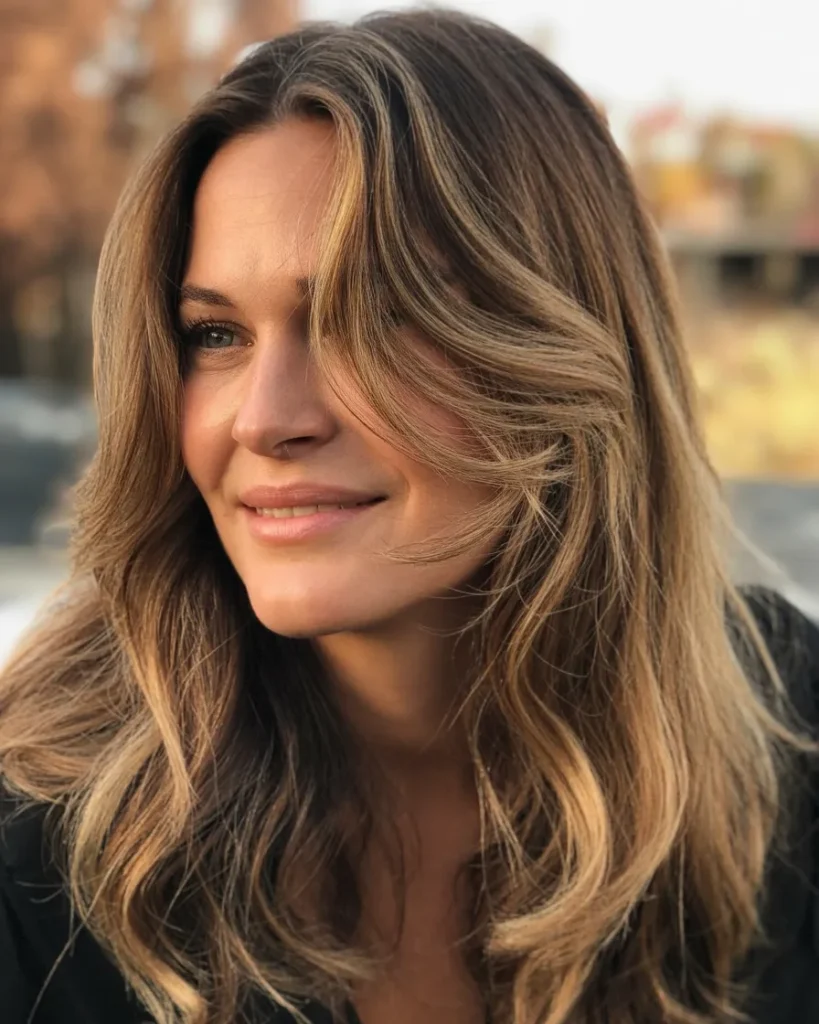
- Choose your base: Bronde blends brown and blonde, so begin with a shade close to your natural color.
- Add fine highlights: Place lighter strands through the mid-lengths and around the face.
- Blend the roots: Ask for a soft transition instead of a sharp line between natural hair and highlights.
- Style for dimension: Use a large round brush or curling iron to create movement through the lengths.
- Maintain the gloss: Schedule color refreshes based on fading, brassiness, and your desired brightness.
Bronde is a useful option for women who want blonde dimension without becoming fully blonde. It works particularly well on medium-length layers, long bobs, and naturally light brown hair. Because the darker base remains visible, the color can be lower maintenance than a uniformly light shade. The balance of brown and blonde can be adjusted to suit warm, cool, or neutral undertones.
14. Warm Blonde Balayage
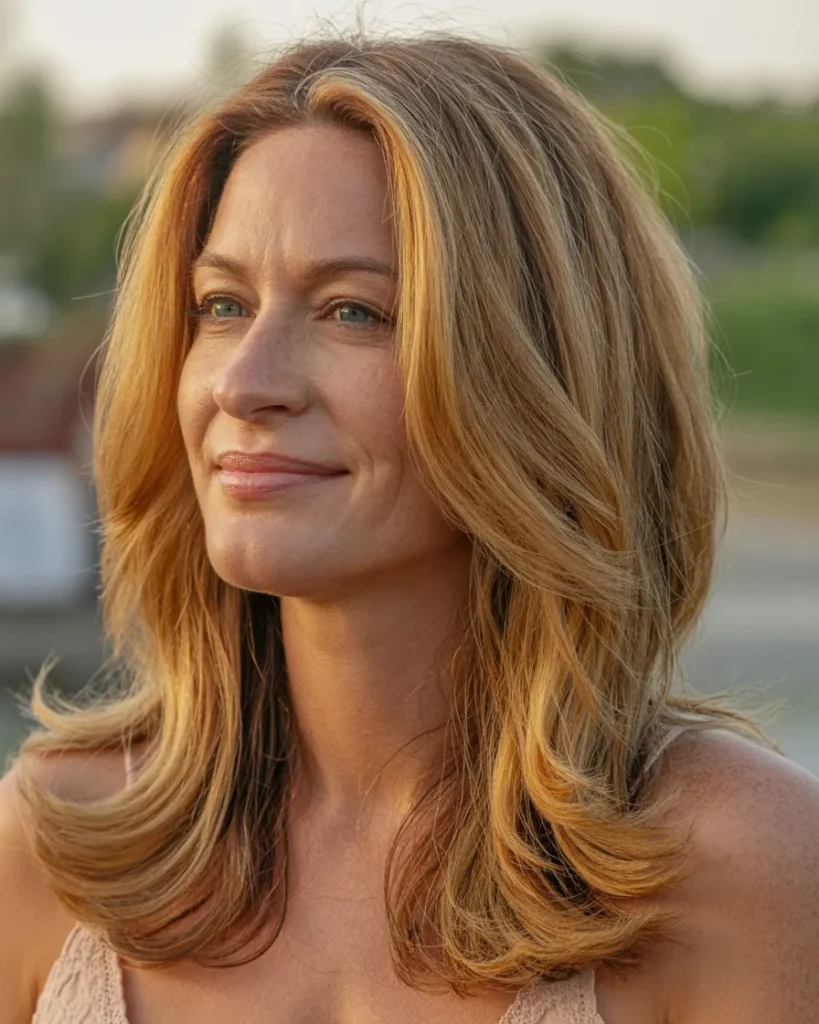
| Feature | Subtle Balayage | Brighter Balayage |
| Root area | Mostly natural and deep | More visible lightness near the face |
| Highlight placement | Fine ribbons through the lengths | Wider, more noticeable blonde pieces |
| Overall contrast | Soft and understated | Brighter and more defined |
| Grow-out | Often less noticeable | Depends on placement and root contrast |
Warm blonde balayage uses hand-painted highlights to create a gradual transition from a deeper base to lighter golden or honey-colored ends. The technique looks especially attractive on long layers, collarbone cuts, and loose waves. Choose subtle balayage for a natural effect or brighter face-framing pieces for more visible lightness. Your colorist can adjust the placement to complement your haircut and preferred maintenance schedule.
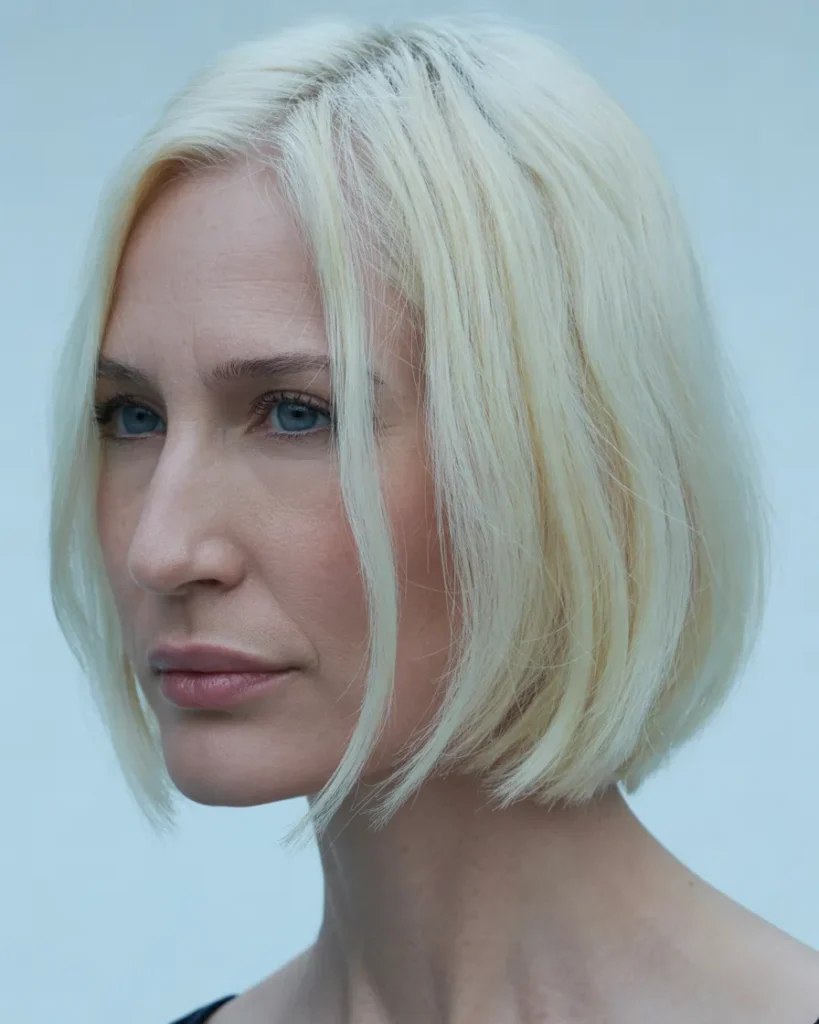
15. Icy Blonde Hair
DO:
- Consult a colorist about whether your hair can safely reach a very pale blonde.
- Use a heat protectant before styling with hot tools.
- Follow a conditioning routine designed for lightened hair.
- Discuss a toner that maintains the cool finish without making the hair look dull.
DON’T:
- Attempt aggressive lightening at home, especially over previously colored hair.
- Assume purple shampoo can correct every unwanted color issue.
- Overuse high heat on fragile, lightened ends.
- Ignore breakage, excessive dryness, or changes in hair elasticity.
Icy blonde is a striking, almost-white shade with cool silver or blue-violet undertones. A short pixie, a crisp bob, or a sleek lob can show off its clean finish. This color generally requires more upkeep than warmer blondes, particularly when your natural roots are dark. A professional consultation is essential to establish a realistic lightening plan and protect hair condition.
16. Dirty Blonde Hair Color
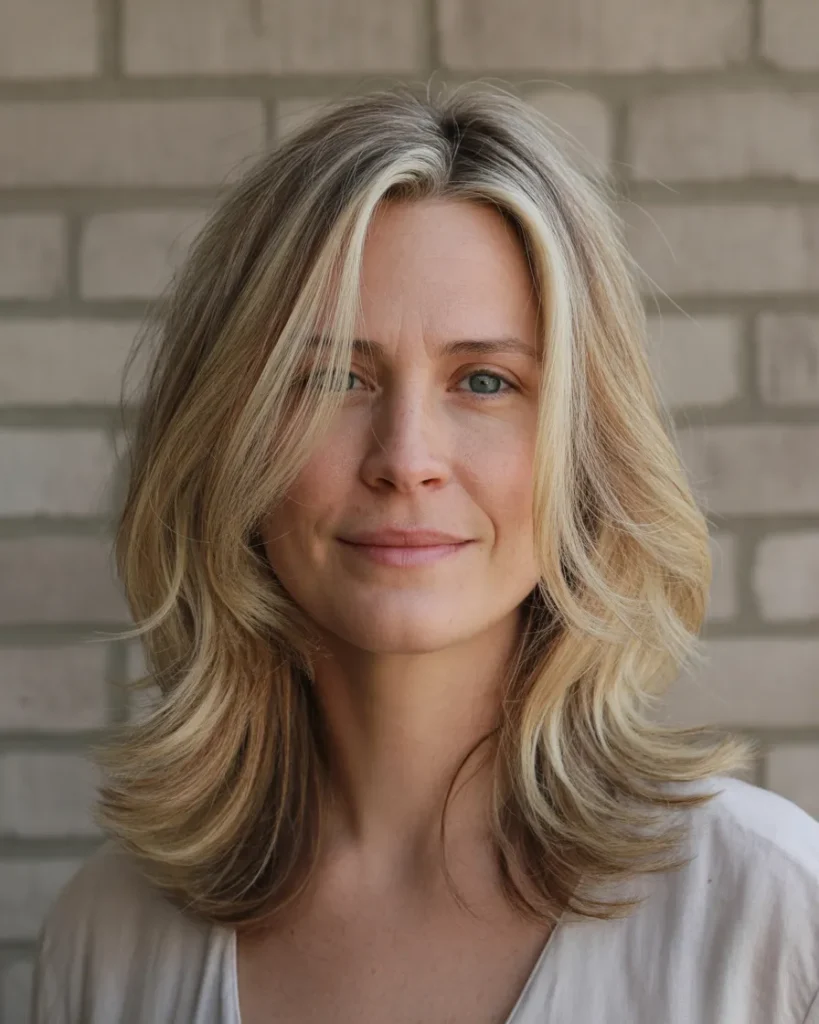
Best Base: Dark blonde or light brown
Color Effect: Muted blonde with beige and brown undertones
Recommended Cut: Textured bob, long layers, or a casual lob
Styling Time: Around 10 to 15 minutes for a simple everyday finish
Dirty blonde is a deeper, more subdued blonde that blends naturally with light brown and dark blonde roots. The shade works well for women who want a noticeable blonde effect without the upkeep of very pale hair. A few brighter highlights around the face can keep the color from appearing too uniform, while soft waves reveal the blend between lighter and darker strands.
17. Mushroom Blonde Hair
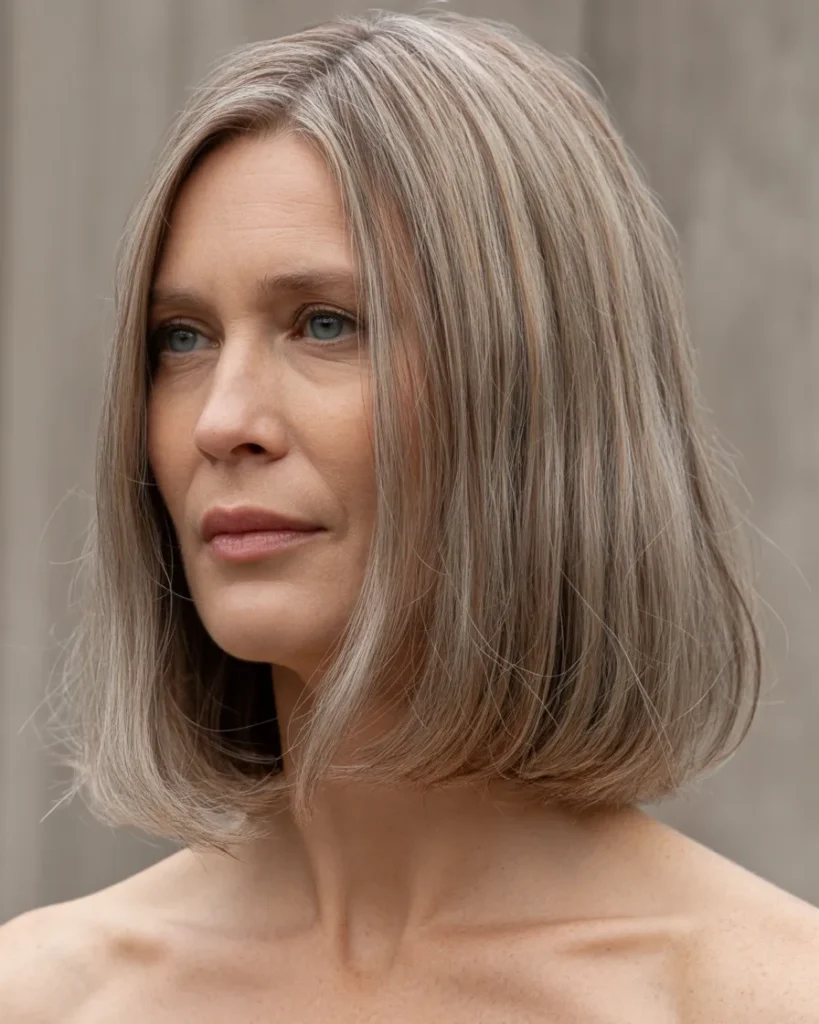
Mushroom blonde mixes cool beige, taupe, and muted brown tones for a smoky, understated finish. Unlike a distinctly golden blonde, this shade has a more neutral-to-cool appearance that pairs nicely with modern layered bobs, long curtain bangs, and softly textured shoulder-length cuts.
The color can be especially appealing to women who prefer low-key sophistication over bright blonde. It generally works best when the underlying hair color and toner are carefully balanced. Ask your colorist to keep the result dimensional rather than overly gray, particularly if your hair already contains natural silver strands. A smooth blowout highlights the muted tones, while loose waves create a softer, more textured appearance.
18. Golden Blonde Highlights
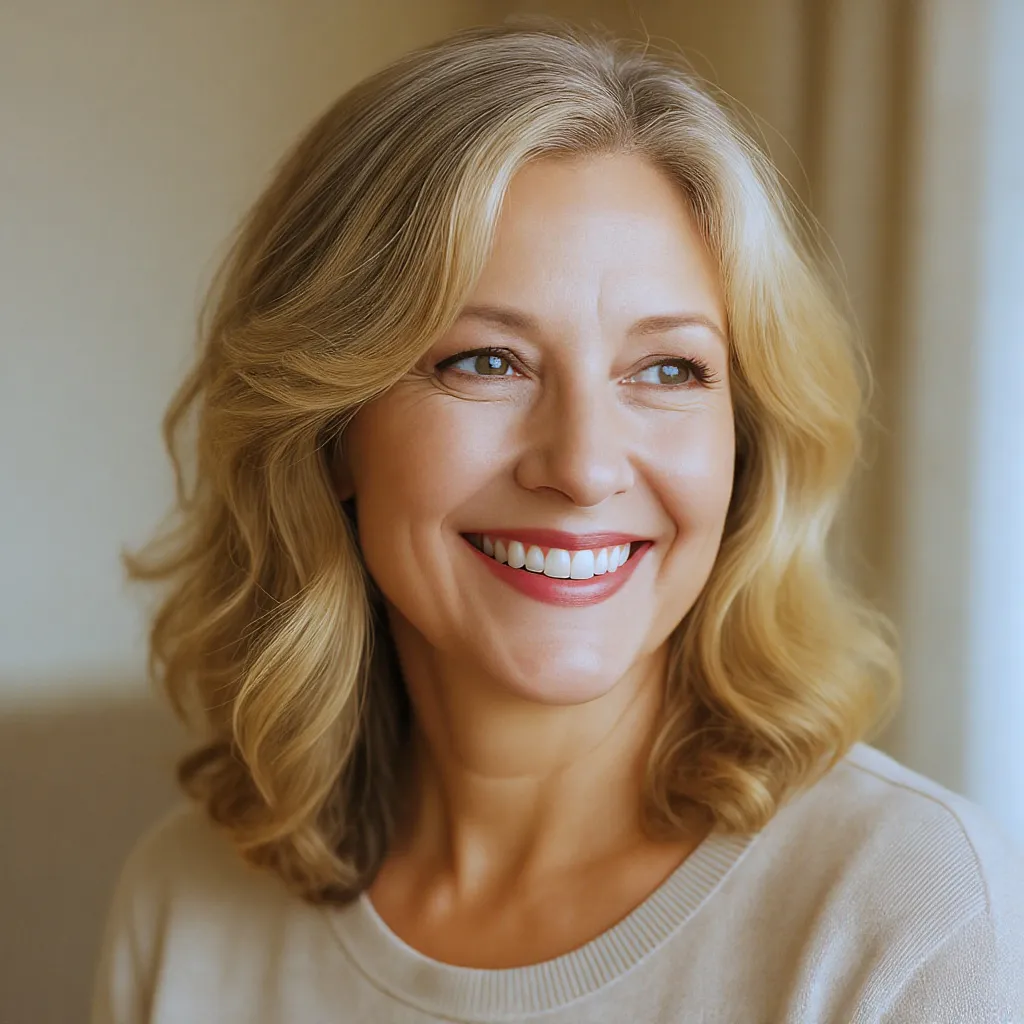
- Placement: Fine highlights near the face brighten the front, while additional pieces through the crown and lengths create depth.
- Color choice: Golden blonde works well with warm bases, but a softer neutral gold may suit a wider range of complexions.
- Haircut pairing: Long layers and shoulder-length bobs help the highlights catch the light as the hair moves.
- Styling method: Blow-dry with a round brush or create loose waves to make the lighter strands more visible.
- Upkeep: Refresh the highlights when the contrast fades or the roots grow beyond your preferred look.
Golden blonde highlights are a practical choice if you want to refresh your appearance without coloring every strand. They can add visual movement to straight hair and emphasize the shape of layered cuts. For a softer result, request fine highlights blended into your base rather than thick, sharply contrasting sections.
19. Platinum Blonde Hair
Quick Tip:
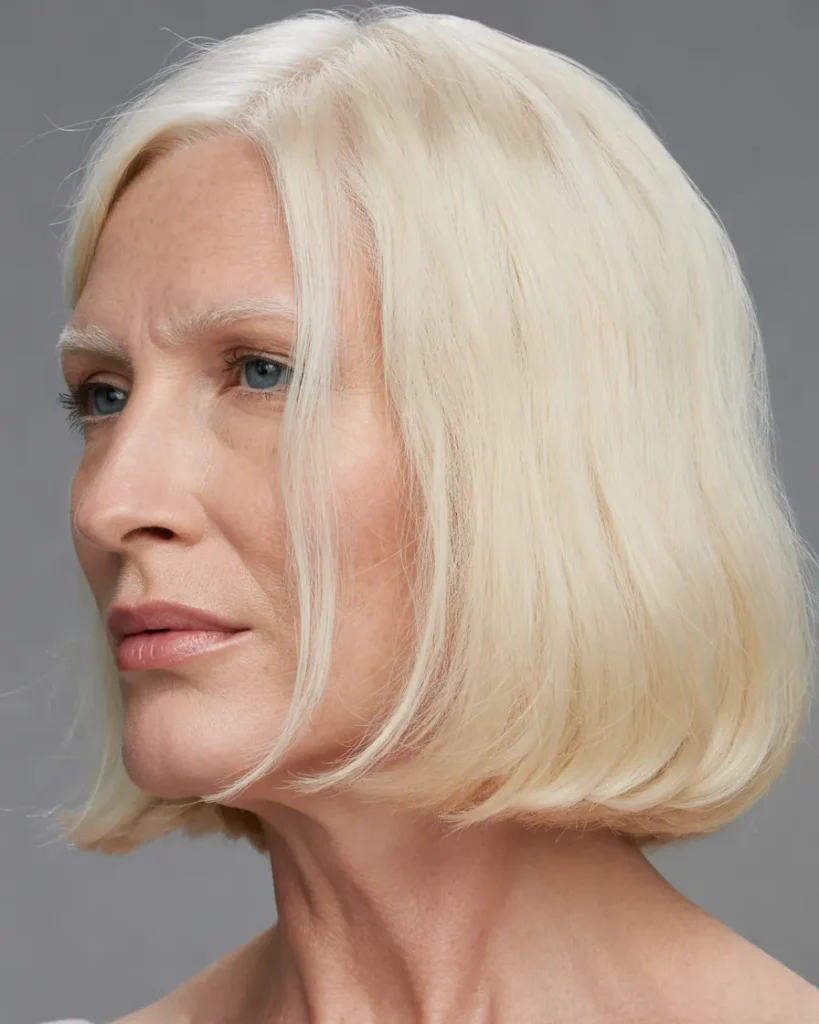
Platinum blonde often requires significant lightening, so schedule a consultation before making the change. Ask about the condition of your existing hair, the number of sessions likely to be needed, and how the stylist will manage root regrowth. Avoid combining aggressive lightening with frequent high-heat styling.
Platinum blonde creates an exceptionally light, cool finish that stands out on short crops, sleek bobs, and carefully styled shoulder-length hair. Its high contrast can look modern and expressive, but it is not the easiest shade to maintain. Women over 40 considering platinum should weigh the desired brightness against the condition of their hair and their willingness to attend regular salon appointments.
20. Rooted Blonde Hair
BEFORE
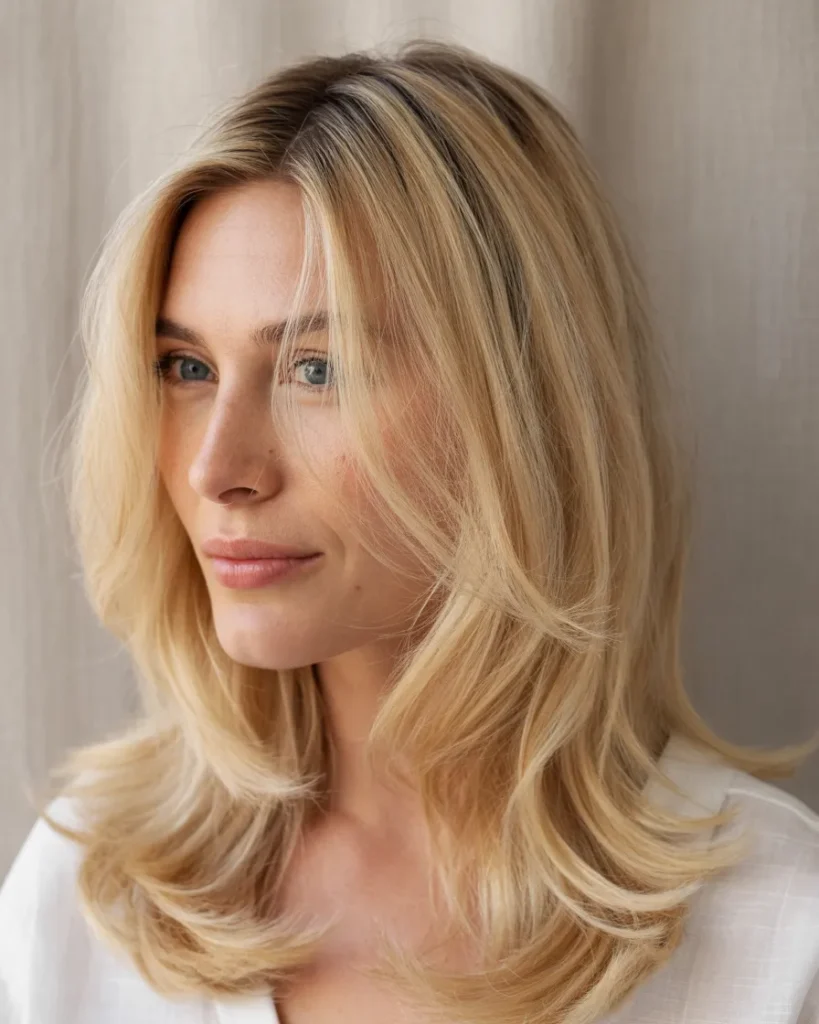
A solid blonde color with visible dark regrowth can create a sharp line at the scalp. Frequent root appointments may also become inconvenient if you prefer a more relaxed maintenance routine.
AFTER
Rooted blonde keeps the root area deliberately deeper, blending into lighter blonde lengths. The gradual transition gives the hair more dimension and allows natural regrowth to appear less abrupt.
This approach works with many blonde shades, including champagne, beige, honey, and ash. It is particularly useful for women whose natural roots are medium brown or dark blonde. Ask your colorist to customize the depth of the root blend so it complements your base color rather than creating a harsh band. The result can be worn straight, wavy, or in a simple ponytail.
21. Rose Blonde Hair
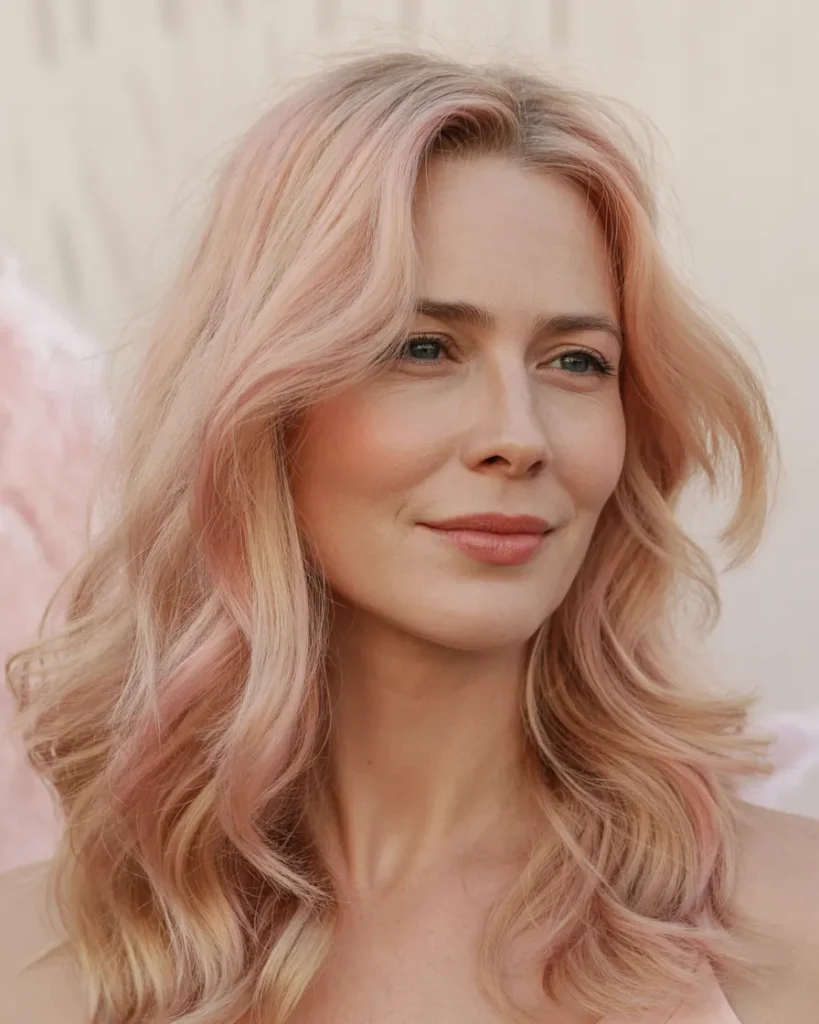
- Choose the tone: Rose blonde combines blonde with a soft pink, peach, or rose-gold reflection.
- Consider your starting color: A lighter base generally makes delicate rose tones easier to achieve.
- Keep the cut simple: A shoulder-length lob or long layers allow the color to remain the main feature.
- Style with soft movement: Loose waves reveal variations in the rosy reflections.
- Plan for fading: Ask about color-safe products and whether a tinted conditioner is appropriate for refreshing the shade.
Rose blonde is an expressive choice for women who want something different from traditional golden or beige blonde. Its pink undertones can be subtle enough for everyday wear or more noticeable for a fashion-forward look. The color often fades faster than conventional blonde shades, so a customized maintenance plan helps preserve the intended balance of pink and gold.
22. Beige Blonde Balayage
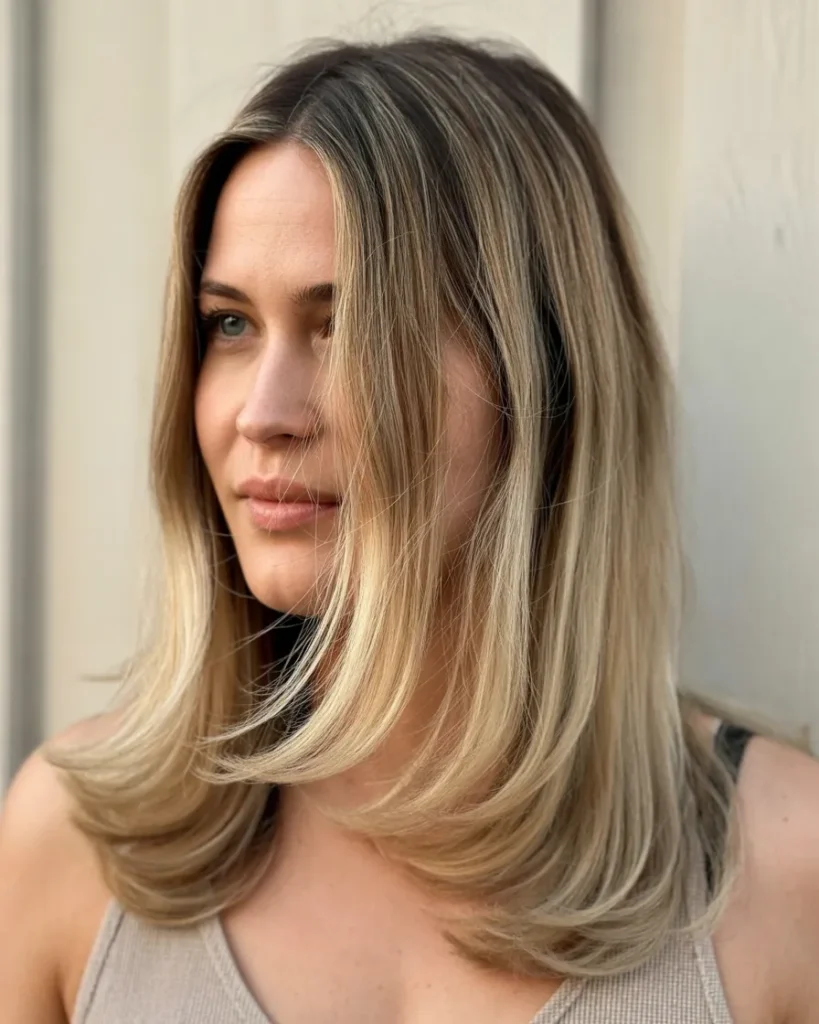
| Feature | Fine Beige Balayage | High-Contrast Beige Balayage |
| Highlight size | Thin, softly blended pieces | More prominent ribbons |
| Root transition | Subtle and gradual | More noticeable separation |
| Overall finish | Natural-looking and understated | Brighter with added definition |
| Best haircut pairing | Fine layers and classic bobs | Long layers and textured lobs |
Beige blonde balayage combines neutral blonde tones with a hand-painted highlight technique. It is particularly appealing if you want dimension without a uniform, all-over color. Fine balayage suits women who prefer subtle changes, while stronger contrast can bring attention to long layers or waves. Discuss the placement with your colorist so the lightest pieces support the haircut and frame the face naturally.
23. Face-Framing Blonde Highlights
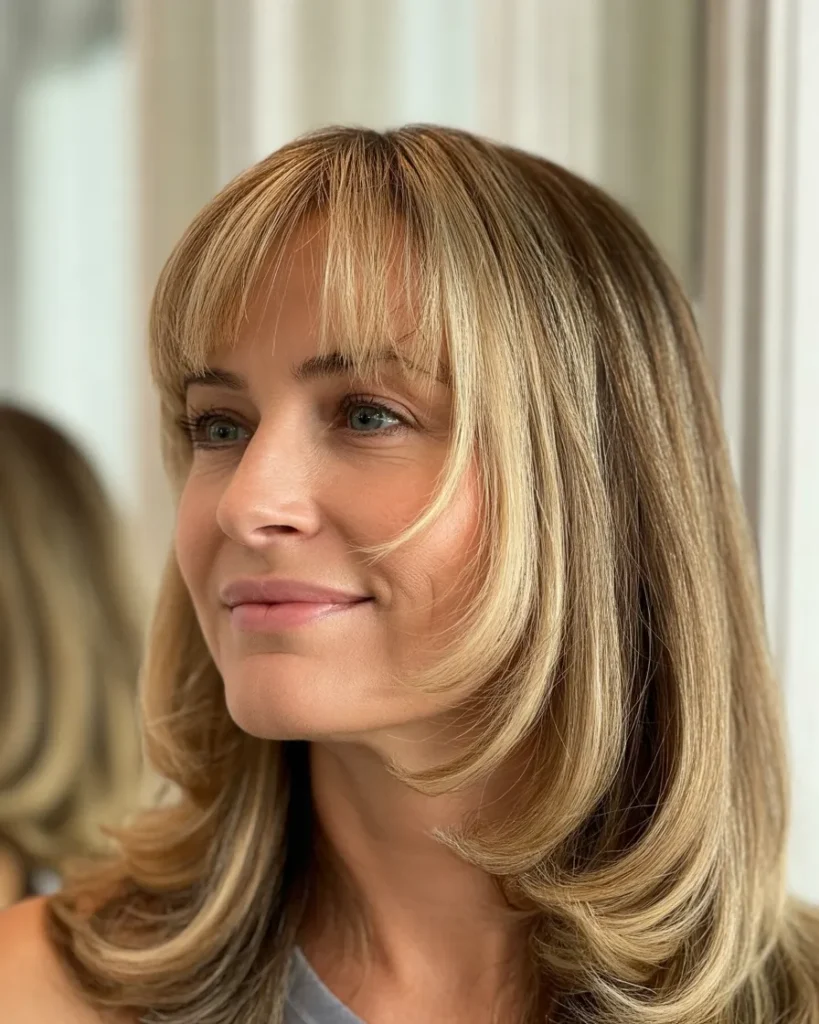
DO:
- Place brighter strands near the face to draw attention to the front layers.
- Choose a tone that complements the rest of your blonde or brown base.
- Ask for a gradual blend if you want a soft, natural-looking finish.
- Consider how the highlights will look when you wear your hair tied back.
DON’T:
- Make the front pieces dramatically lighter without considering the overall color balance.
- Over-lighten fragile hair around the hairline.
- Forget that a center part and a side part can change how the highlights appear.
- Choose thick front streaks if your preference is a delicate, blended effect.
Face-framing blonde highlights brighten the sections around the forehead, temples, and cheekbones. They can work with a pixie, bob, lob, or long layered haircut, and the shade can range from creamy blonde to honey or beige. Ask for a placement that follows your usual parting and haircut, particularly if you have bangs or wear your hair away from your face.
24. Dimensional Blonde Hair Color
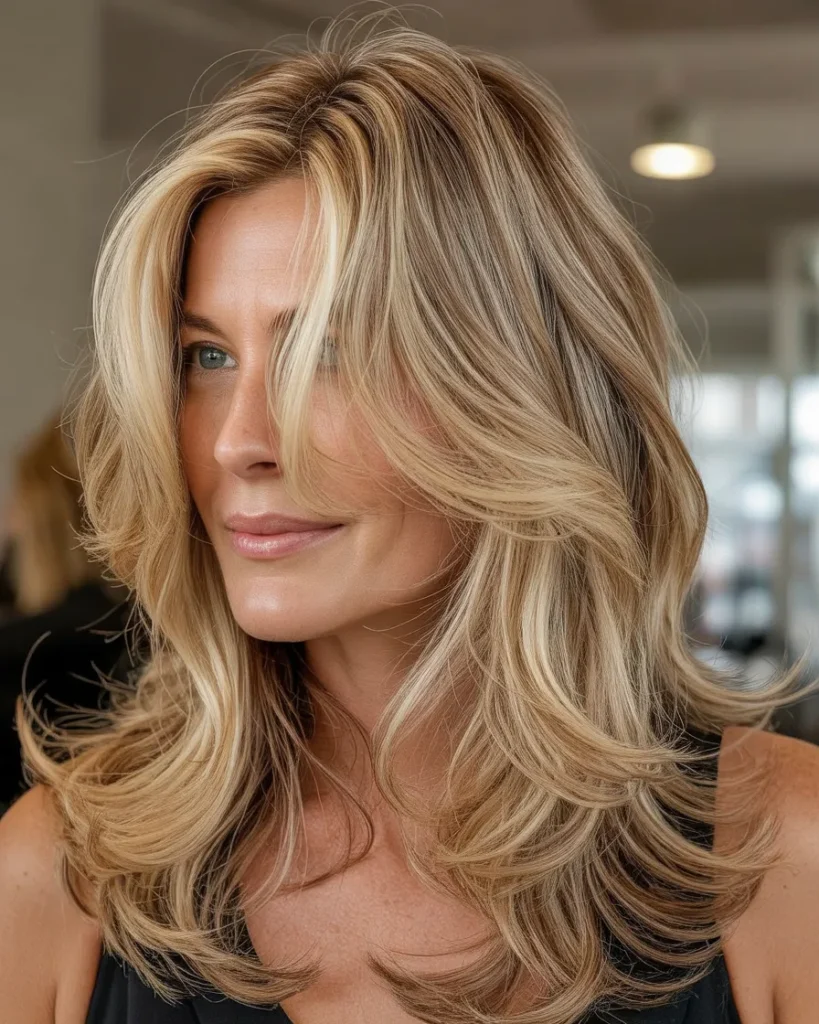
Color Technique: A blend of lighter and deeper blonde tones
Best Haircuts: Layered bobs, shoulder-length cuts, and long layers
Visual Effect: More depth, contrast, and movement
Maintenance: Depends on the base color, highlight placement, and desired brightness
Dimensional blonde combines several complementary shades rather than relying on a single flat color. For example, a colorist might blend a deeper dark blonde root with beige mid-lengths and creamy highlights around the face. The technique can make waves look more defined and help layered cuts show their shape.
For women over 40, dimensional color offers flexibility. You can choose a soft, natural-looking blend or a brighter combination with more contrast. It can also incorporate natural gray hair, depending on its amount and distribution. Bring reference photos to your appointment and discuss how the color will look in natural light, how often it will need refreshing, and whether your existing hair can achieve the desired result.
How to Choose the Best Blonde Hair Color After 40
The most flattering blonde is one that complements your complexion, works with your natural hair, and fits the amount of maintenance you are comfortable with. Before choosing a shade, consider these practical factors.
- Match the undertone to your complexion. Honey, golden, and buttery blondes offer warmth. Ash, pearl, and mushroom blondes have cooler or more muted undertones. Beige, champagne, and sandy blonde sit closer to the middle.
- Consider your natural root color. A shade close to your natural base usually creates a softer grow-out. If your hair is naturally dark, a rooted blonde or balayage may be easier to maintain than solid platinum.
- Think about hair thickness. Fine hair can benefit visually from strategically placed highlights that create contrast. Thick hair may show dimensional color beautifully through layers and movement.
- Work with your haircut. Face-framing highlights complement curtain bangs, while ribbons of blonde through long layers emphasize movement. A dimensional blonde can also bring out the shape of a textured bob.
- Consider natural gray hair. Highlights, lowlights, and blended blonde shades may help soften the contrast between gray roots and colored lengths. The best technique depends on how much gray you have and where it grows.
- Be realistic about upkeep. Very light blondes often need more frequent root and tone maintenance. A blended balayage or rooted blonde can offer a more gradual transition as your hair grows.
One useful approach is to bring two or three reference photos to your color appointment. Choose examples with a similar starting hair color, length, and texture to yours. This helps your stylist understand whether you prefer a warm, cool, subtle, or high-contrast result.
Tips for Maintaining Healthy, Shiny Blonde Hair
Lightening can make hair more vulnerable to dryness and breakage, so caring for your hair after coloring is just as important as choosing the right shade.
1. Use color-safe hair care products
Choose a gentle shampoo and a conditioner that suits your hair texture. If your hair feels dry after lightening, incorporate a moisturizing mask according to its directions.
2. Limit excessive heat styling
Use a heat protectant before blow-drying, curling, or straightening. Choose moderate temperatures and avoid repeatedly passing hot tools over the same section.
3. Keep brassiness under control
Blonde hair may develop yellow or orange tones as color fades. A suitable toning product or salon gloss can help, but the right treatment depends on your blonde shade and the unwanted undertone.
4. Trim damaged ends when needed
Regular trims help maintain the shape of bobs, layers, and bangs. The appropriate interval depends on your haircut, hair condition, and how quickly your ends become damaged.
5. Protect hair from sun and swimming
Prolonged sun exposure and pool water can affect blonde color. Consider a hat outdoors and follow your stylist’s recommendations for protecting color-treated hair before and after swimming.
Frequently Asked Questions
1. Which blonde hair color looks most natural on women over 40?
Honey blonde, sandy blonde, beige blonde, and bronde are popular choices for a natural-looking finish. A shade that blends with your natural root color and complements your complexion often looks more harmonious than a dramatically contrasting color. Fine highlights or balayage can add dimension without making the hair appear heavily colored.
2. Is warm or cool blonde better for women over 40?
Neither is universally better. Warm blondes, such as honey and golden blonde, can complement warm complexions, while ash and pearl blonde may suit cooler undertones. Beige and champagne blonde offer balanced alternatives. Your natural hair color, eye color, skin undertone, and personal preference all help determine which shade looks most harmonious.
3. Does blonde hair make you look younger after 40?
Blonde hair does not automatically make someone look younger. However, a well-chosen shade can brighten the overall appearance, soften the contrast between gray roots and colored lengths, and add dimension to a haircut. A personalized color that complements your complexion and suits your style is usually more important than choosing blonde simply because of your age.
4. How can women over 40 cover gray hair with blonde color?
Options include traditional highlights, lowlights, blended balayage, and customized root color. Highlights can soften the contrast between gray strands and blonde lengths, while lowlights add depth. For more complete gray coverage, your colorist may recommend a different root-color technique. The best approach depends on the percentage of gray, your natural color, and your desired maintenance level.
5. How often should blonde hair be touched up?
The schedule depends on the coloring technique, starting hair color, and rate of regrowth. All-over blonde and high-contrast root color may require more frequent salon visits, while balayage and rooted blonde can often grow out more gradually. Your stylist can recommend an appropriate schedule for root color, toning, and conditioning treatments.
Conclusion
The best blonde hair color ideas for women over 40 offer more than a beautiful shade. They complement your complexion, enhance your haircut, and fit your everyday routine. From warm honey blonde and creamy vanilla to cool ash blonde and dimensional balayage, there are options for women who prefer subtle changes as well as brighter, more dramatic color.
Before making a decision, consider your natural hair color, texture, gray coverage needs, and maintenance preferences. Save your favorite ideas on Pinterest and take your preferred references to a trusted colorist. With the right shade and a thoughtful hair-care routine, you can enjoy blonde hair that looks polished, healthy, and true to your personal style.